THE ADVENTURE COLLECTIVE® · Independent discovery and booking for outdoor travel

A focused three-day safari to Mole National Park that combines walking and jeep safaris, an eco-canoe, and village visits including Larabanga mosque and shea butter demonstrations. Ideal for travelers wanting close elephant encounters with streamlined logistics from Tamale.
A focused three-day safari to Mole National Park that combines walking and jeep safaris, an eco-canoe, and village visits including Larabanga mosque and shea butter demonstrations. Ideal for travelers wanting close elephant encounters with streamlined logistics from Tamale.
You step out of the jeep and the savanna opens like a living map—warped termite mounds, clumps of baobab, and a horizon where elephants move like slow weather. Morning light scrubs the landscape clean; birds punctuate the silence as guides scan for the first gray shapes.
Verified experiences and guided adventures in the surrounding area.
Operated by Ghana Must Go Tours · Damongo, Savannah Region
You step out of the jeep and the savanna opens like a living map—warped termite mounds, clumps of baobab, and a horizon where elephants move like slow weather. Morning light scrubs the landscape clean; birds punctuate the silence as guides scan for the first gray shapes.
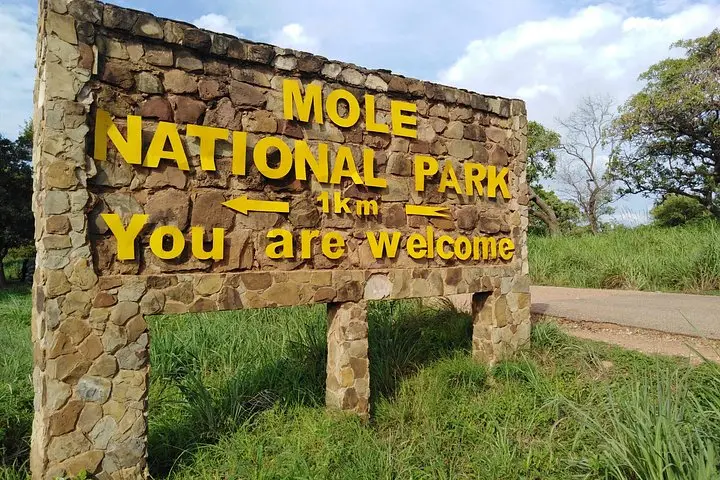
Mole National Park is Ghana’s largest wildlife reserve and a place where West African savanna geology—laterite soils, granite outcrops and seasonal river channels—shapes both habitat and culture. Nearby Larabanga holds one of West Africa’s oldest mud mosques, a reminder that human history here runs alongside ancient migration routes. Local communities sustain livelihoods through shea processing and small-scale fishing on seasonal waterways.
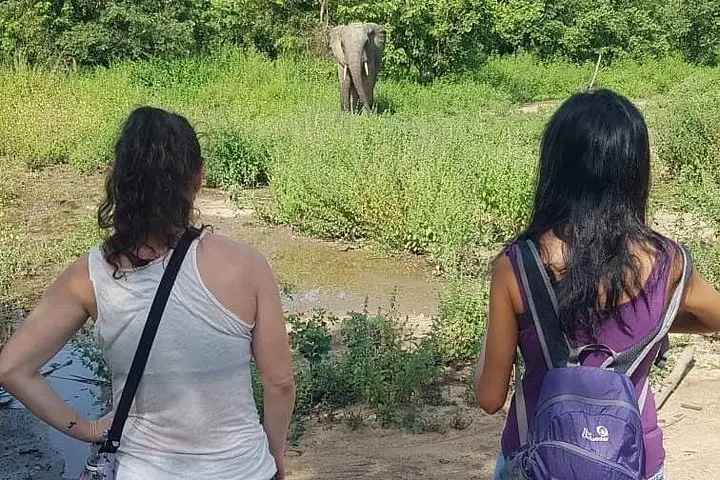
On a three-day itinerary expect a mix of jeep and walking safaris, an eco-canoe on the river that edges the park, and village visits where shea butter is still hand-processed. Walking safaris are intimate—guides point out dung trails, elephant footprints and subtle signs of nocturnal life. Evenings bring the best chance to watch elephants come close to waterholes below the accommodation viewing platforms.
Practical matters: domestic flights into Tamale are commonly used to reach Mole; the operator arranges transfers. Pack lightweight, breathable layers for hot days and cooler mornings, sturdy closed-toe shoes for walks, insect protection, and a good pair of binoculars. Respect local guides’ instructions around wildlife—keep distance, move quietly, and never approach calves. With basic preparation, this short safari balances wildlife encounters, cultural insight, and straightforward logistics for travelers seeking an accessible, immersive African savanna experience.
Most travelers fly domestically into Tamale, then transfer by vehicle (approx. 2–3 hour drive) to Mole; the operator typically arranges airport pickup.
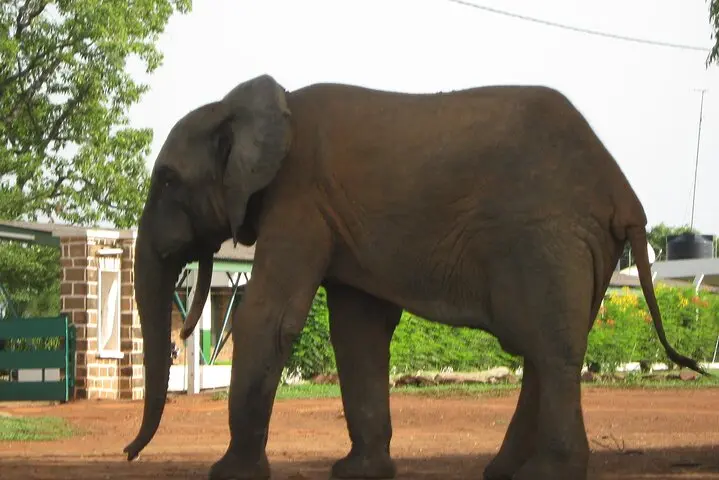
Mole has one of Ghana’s highest concentrations of elephants and sightings are likely, especially at waterholes and during morning/evening drives, but wildlife sightings cannot be guaranteed.
Lodging ranges from simple, air-conditioned rooms with private baths and viewing decks to more rustic options; this package includes standard ensuite rooms with pool and game-view platforms.
Walking safaris are short and guided; they suit older or younger visitors who can manage uneven terrain, but check health restrictions for those with spinal or cardiovascular issues.
Ghana Must Go Tours operates guided outdoor trips and adventures with an emphasis on safety, stewardship, and memorable experiences.
You step out of the jeep and the savanna opens like a living map—warped termite mounds, clumps of baobab, and a horizon where elephants move like slow weather. Morning light scrubs the landscape clean; birds punctuate the silence as guides scan for the first gray shapes.
You step out of the jeep and the savanna opens like a living map—warped termite mounds, clumps of baobab, and a horizon where elephants move like slow weather. Morning light scrubs the landscape clean; birds punctuate the silence as guides scan for the first gray shapes.
Mole National Park is Ghana’s largest wildlife reserve and a place where West African savanna geology—laterite soils, granite outcrops and seasonal river channels—shapes both habitat and culture. Nearby Larabanga holds one of West Africa’s oldest mud mosques, a reminder that human history here runs alongside ancient migration routes. Local communities sustain livelihoods through shea processing and small-scale fishing on seasonal waterways.
On a three-day itinerary expect a mix of jeep and walking safaris, an eco-canoe on the river that edges the park, and village visits where shea butter is still hand-processed. Walking safaris are intimate—guides point out dung trails, elephant footprints and subtle signs of nocturnal life. Evenings bring the best chance to watch elephants come close to waterholes below the accommodation viewing platforms.
Practical matters: domestic flights into Tamale are commonly used to reach Mole; the operator arranges transfers. Pack lightweight, breathable layers for hot days and cooler mornings, sturdy closed-toe shoes for walks, insect protection, and a good pair of binoculars. Respect local guides’ instructions around wildlife—keep distance, move quietly, and never approach calves. With basic preparation, this short safari balances wildlife encounters, cultural insight, and straightforward logistics for travelers seeking an accessible, immersive African savanna experience.