THE ADVENTURE COLLECTIVE® · Independent discovery and booking for outdoor travel

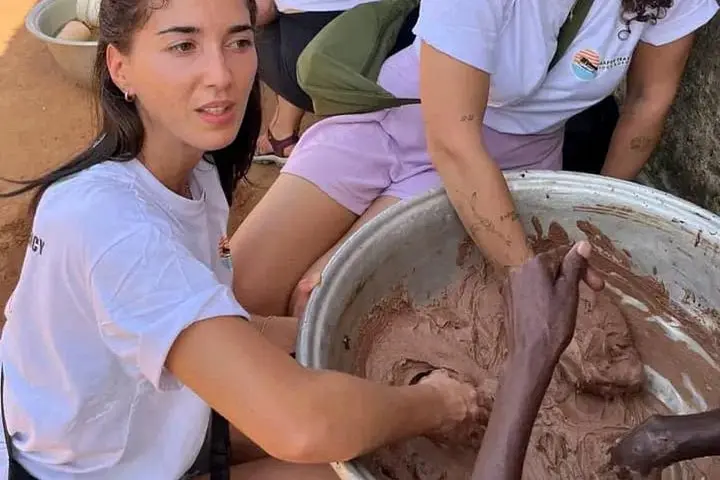
Three days of jeep safaris, a canoe on the Mole River, and a walking safari offer close-up wildlife viewing and cultural visits to Larabanga and local Shea-butter producers. Ideal for travelers seeking easy-access wildlife encounters with knowledgeable guides.
Three days of jeep safaris, a canoe on the Mole River, and a walking safari offer close-up wildlife viewing and cultural visits to Larabanga and local Shea-butter producers. Ideal for travelers seeking easy-access wildlife encounters with knowledgeable guides.
Dawn arrives over broad savanna and the air cools as a jeep crunches along a dusty track toward Mole National Park. Acacia silhouettes sharpen against a pale sky while distant trumpets hint at the park’s most famous residents—elephants that move through the grass like slow weather. Over three days, the tour trades long drives for intimate moments: a late-afternoon game drive, a riverside canoe, and a dawn walking safari where the scrub seems to shift and watch you back.
Verified experiences and guided adventures in the surrounding area.
Operated by Ghana Travel Guide · Tamale, Northern Region
Dawn arrives over broad savanna and the air cools as a jeep crunches along a dusty track toward Mole National Park. Acacia silhouettes sharpen against a pale sky while distant trumpets hint at the park’s most famous residents—elephants that move through the grass like slow weather. Over three days, the tour trades long drives for intimate moments: a late-afternoon game drive, a riverside canoe, and a dawn walking safari where the scrub seems to shift and watch you back.
Mole was Ghana’s first formally protected wildlife area and covers roughly 4,849 sq km of northern savanna and gallery forest. The ground here records ancient trade routes and pastoral life; nearby villages maintain Shea-butter traditions and the Larabanga mosque—one of the country’s oldest—anchors local history. Geologically the park sits on low, gently rolling terrain with seasonal waterways that swell in the rains and thin to braided channels otherwise.
Practicalities shape the experience: expect dusty roads, early starts, and long transfer times from Tamale. Accommodation is basic but serviceable; breakfasts and park fees are typically included. Wildlife viewing is best in the dry season when animals concentrate around water, while the wet months bring birds and lush growth but wetter tracks.
Bring binoculars, sun protection, insect repellent and sturdy walking shoes. Keep water handy, move deliberately on foot safaris, and follow guide instructions around large mammals. The trip balances active exploration and cultural stops—ideal for travelers who want close encounters without roughing it completely.
Most visitors travel by road—about 3–4 hours by car depending on conditions; this tour typically includes airport transfers and transport from Tamale.
Yes—this itinerary lists breakfast, accommodation, safari and entrance fees as included; confirm any additional meals or special requests before booking.
Guided walking safaris follow strict safety protocols; guides assess animal behavior and will keep you at safe distances—follow their instructions at all times.
Consult a travel clinic before departure; malaria prophylaxis and routine vaccinations are commonly recommended for northern Ghana.
Ghana Travel Guide operates guided outdoor trips and adventures with an emphasis on safety, stewardship, and memorable experiences.
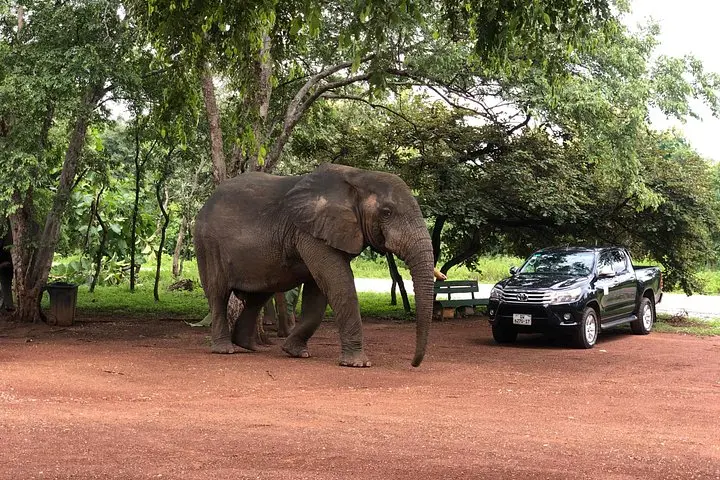
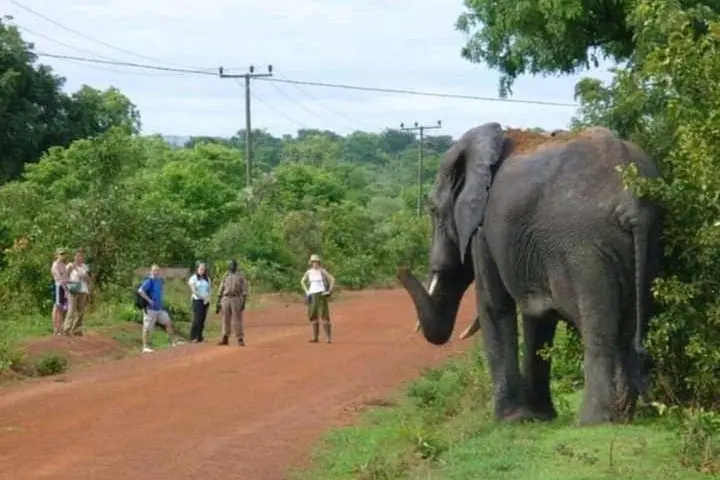
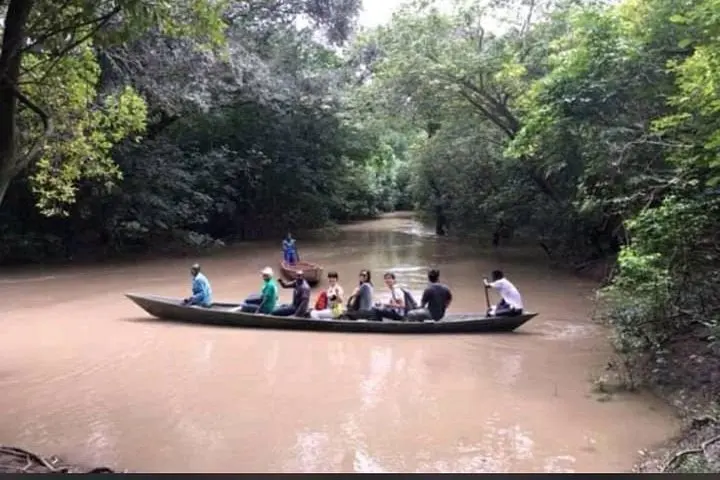
Dawn arrives over broad savanna and the air cools as a jeep crunches along a dusty track toward Mole National Park. Acacia silhouettes sharpen against a pale sky while distant trumpets hint at the park’s most famous residents—elephants that move through the grass like slow weather. Over three days, the tour trades long drives for intimate moments: a late-afternoon game drive, a riverside canoe, and a dawn walking safari where the scrub seems to shift and watch you back.
Dawn arrives over broad savanna and the air cools as a jeep crunches along a dusty track toward Mole National Park. Acacia silhouettes sharpen against a pale sky while distant trumpets hint at the park’s most famous residents—elephants that move through the grass like slow weather. Over three days, the tour trades long drives for intimate moments: a late-afternoon game drive, a riverside canoe, and a dawn walking safari where the scrub seems to shift and watch you back.
Mole was Ghana’s first formally protected wildlife area and covers roughly 4,849 sq km of northern savanna and gallery forest. The ground here records ancient trade routes and pastoral life; nearby villages maintain Shea-butter traditions and the Larabanga mosque—one of the country’s oldest—anchors local history. Geologically the park sits on low, gently rolling terrain with seasonal waterways that swell in the rains and thin to braided channels otherwise.
Practicalities shape the experience: expect dusty roads, early starts, and long transfer times from Tamale. Accommodation is basic but serviceable; breakfasts and park fees are typically included. Wildlife viewing is best in the dry season when animals concentrate around water, while the wet months bring birds and lush growth but wetter tracks.
Bring binoculars, sun protection, insect repellent and sturdy walking shoes. Keep water handy, move deliberately on foot safaris, and follow guide instructions around large mammals. The trip balances active exploration and cultural stops—ideal for travelers who want close encounters without roughing it completely.