THE ADVENTURE COLLECTIVE® · Independent discovery and booking for outdoor travel

Three days in Moremi combine morning and afternoon game drives, tented camp evenings, and concentrated wildlife viewing on the eastern Okavango Delta. Expect 4x4 transfers from Maun, close predator and elephant encounters, and a strong community-conservation focus.
Three days in Moremi combine morning and afternoon game drives, tented camp evenings, and concentrated wildlife viewing on the eastern Okavango Delta. Expect 4x4 transfers from Maun, close predator and elephant encounters, and a strong community-conservation focus.
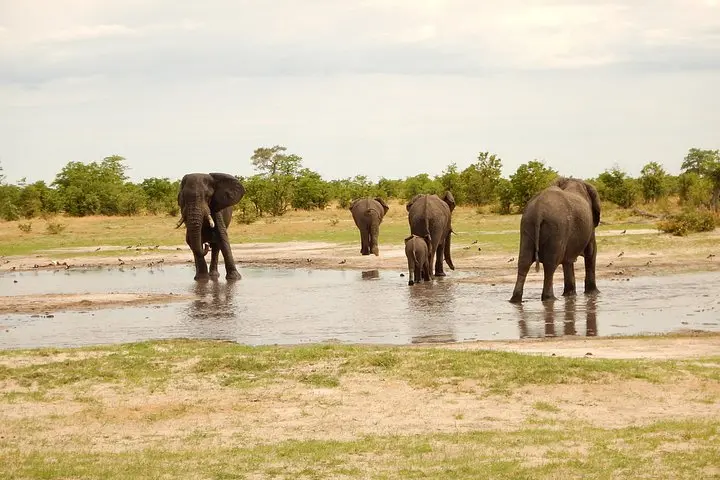
The jeep threads between river channels as early light strips the mist from papyrus; a bull elephant pauses with the composure of a slow clock, then the vehicle eases forward. Dawn game drives in Moremi feel choreographed by water—channels daring you to read their seasonal moods, islands pushing back against the flood with stands of leadwood and mopane.
Verified experiences and guided adventures in the surrounding area.
Operated by Walking Stick Travel Tours · Maun, Ngamiland
The jeep threads between river channels as early light strips the mist from papyrus; a bull elephant pauses with the composure of a slow clock, then the vehicle eases forward. Dawn game drives in Moremi feel choreographed by water—channels daring you to read their seasonal moods, islands pushing back against the flood with stands of leadwood and mopane.
Moremi Game Reserve, carved into the eastern Okavango Delta in the 1960s and named after Chief Moremi of the Batawana, is a landscape formed by seasonal pulses: summer rains inland push water into the delta, creating braided lagoons and grassy floodplains where predators and prey concentrate. Cultural ties are strong here—the Khwai community and local guide traditions shape how concessions and camps operate, and many camps work directly with communities to fund conservation.
On this 3-day safari expect two main rhythms each day: early-morning drives when predators move and birds are active, and afternoon drives that pick up as light softens. Transfers from Maun arrive by 4x4; terrain is flat floodplain, not strenuous, but distances between sightings can be long and off-road. Camps are small, staff-operated tented sites—tents are often erected on arrival and meals served around campfire storytelling.
Practical notes: pack layered sun protection, long-sleeve shirts for midges at dusk, and quality binoculars; camera lenses 200–400mm work well for close plains sightings. Morning temperatures can be cool in the dry season, while summer brings heat and sporadic rains. Respect wildlife distances, follow your guide’s instructions, and carry water on drives. With basic preparation this short safari delivers concentrated wildlife viewing and a clear window into Okavango hydrology and community-led conservation.
Transfer time varies by gate and road conditions but typically takes 1–2 hours by 4x4, with slower travel when crossing seasonal flood areas.
Children are permitted but must follow operator age and safety policies; infants may need to sit on laps during transfers and must be supervised at camp.
Yes—Moremi is in a malaria-risk area; consult your doctor before travel about prophylaxis and carry insect repellent and long sleeves for dusk.
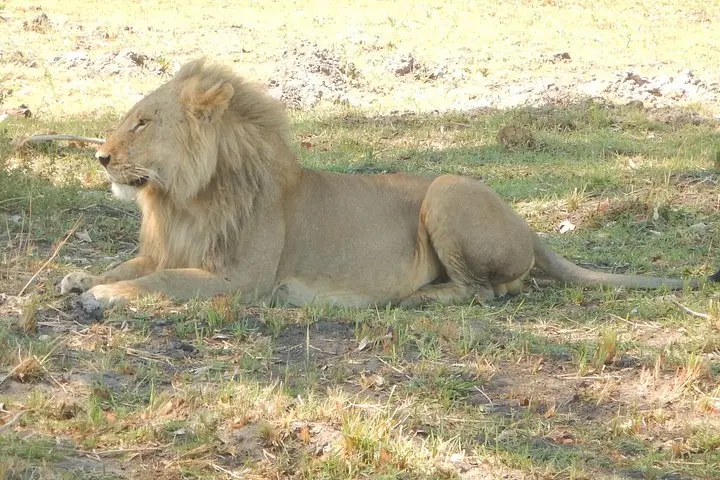
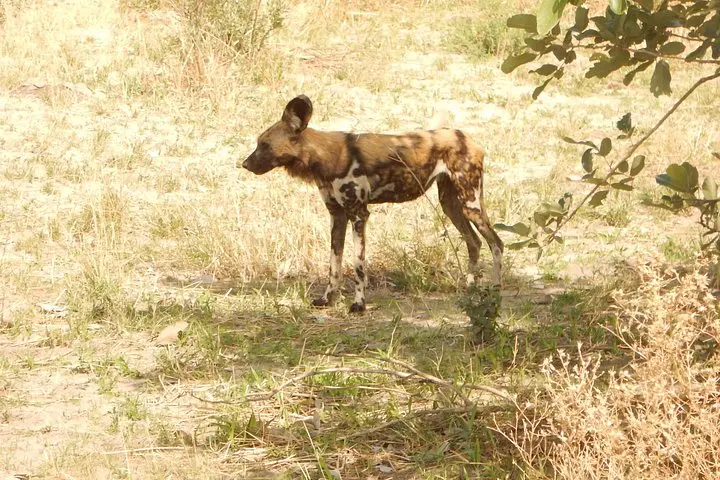
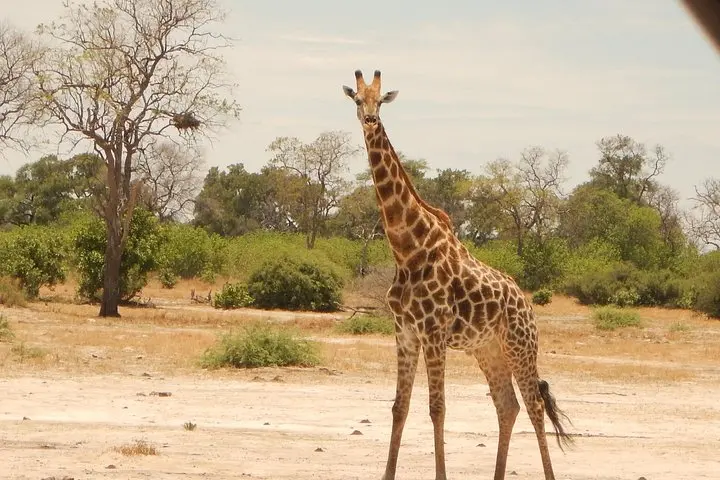
Typical sightings include elephant, buffalo, lion, leopard (less common), hippo in waterways, and a wide variety of antelope and birdlife, depending on season.
Walking Stick Travel Tours operates guided outdoor trips and adventures with an emphasis on safety, stewardship, and memorable experiences.
The jeep threads between river channels as early light strips the mist from papyrus; a bull elephant pauses with the composure of a slow clock, then the vehicle eases forward. Dawn game drives in Moremi feel choreographed by water—channels daring you to read their seasonal moods, islands pushing back against the flood with stands of leadwood and mopane.
The jeep threads between river channels as early light strips the mist from papyrus; a bull elephant pauses with the composure of a slow clock, then the vehicle eases forward. Dawn game drives in Moremi feel choreographed by water—channels daring you to read their seasonal moods, islands pushing back against the flood with stands of leadwood and mopane.
Moremi Game Reserve, carved into the eastern Okavango Delta in the 1960s and named after Chief Moremi of the Batawana, is a landscape formed by seasonal pulses: summer rains inland push water into the delta, creating braided lagoons and grassy floodplains where predators and prey concentrate. Cultural ties are strong here—the Khwai community and local guide traditions shape how concessions and camps operate, and many camps work directly with communities to fund conservation.
On this 3-day safari expect two main rhythms each day: early-morning drives when predators move and birds are active, and afternoon drives that pick up as light softens. Transfers from Maun arrive by 4x4; terrain is flat floodplain, not strenuous, but distances between sightings can be long and off-road. Camps are small, staff-operated tented sites—tents are often erected on arrival and meals served around campfire storytelling.
Practical notes: pack layered sun protection, long-sleeve shirts for midges at dusk, and quality binoculars; camera lenses 200–400mm work well for close plains sightings. Morning temperatures can be cool in the dry season, while summer brings heat and sporadic rains. Respect wildlife distances, follow your guide’s instructions, and carry water on drives. With basic preparation this short safari delivers concentrated wildlife viewing and a clear window into Okavango hydrology and community-led conservation.