THE ADVENTURE COLLECTIVE® · Independent discovery and booking for outdoor travel

Cross the Strait in a weekend and trade Andalusian coastlines for Roman ruins, medieval Fes, and Chefchaouen’s blue lanes. This private 3-day route packs coastal views, archaeology, and mountain villages into a fast-paced introduction to northern Morocco.
Cross the Strait in a weekend and trade Andalusian coastlines for Roman ruins, medieval Fes, and Chefchaouen’s blue lanes. This private 3-day route packs coastal views, archaeology, and mountain villages into a fast-paced introduction to northern Morocco.
You step off the high-speed ferry with salt in your hair and the call to prayer threading through the port air — Morocco arrives fast and immediate. The first day moves from coastal capes and the Hercules Caves through Asilah’s painted alleys, then inland to the hush of Volubilis’ Roman mosaics as the land tilts toward the imperial silhouettes of Meknes and Fes.
Verified experiences and guided adventures in the surrounding area.
Operated by JTT Morocco · Tangier, Tanger-Tétouan-Al Hoceima
You step off the high-speed ferry with salt in your hair and the call to prayer threading through the port air — Morocco arrives fast and immediate. The first day moves from coastal capes and the Hercules Caves through Asilah’s painted alleys, then inland to the hush of Volubilis’ Roman mosaics as the land tilts toward the imperial silhouettes of Meknes and Fes.
History sits visibly here: Roman pavements at Volubilis, Almoravid and Marinid architecture in Fes, and the Andalusian echoes visible across the Strait of Gibraltar. Geology shifts from Atlantic limestone capes to the folded, blue-tinged ridges of the Rif Mountains that cradle Chefchaouen’s painted houses. Culture is sensory — tannery scents, souk bargaining rhythms, and the layered Arab–Berber–Andalusian cuisine served morning and night in family-run riads.
Practically, this is a compact three-day corridor through northern Morocco built around private transport and guided stops. Expect brisk walking in medinas, brief hikes on Rif foothills, and time for markets and photography rather than extended trekking. Carry local currency for markets, bring closed-toe shoes for cobbled medina lanes and tanneries, and keep a lightweight daypack for water and sun protection. Passports and ferry tickets are mandatory; check visa rules before travel. Morning departures avoid noon heat; staggered hotel pickups from the Costa del Sol make the crossing straightforward for short-stay travelers. The trip balances cultural depth with manageable activity — an efficient introduction to Morocco’s layered landscapes and cities.
Visa requirements depend on your nationality — check Moroccan consulate guidance well before travel and ensure your passport has adequate validity.
The tour is rated easy: expect short to moderate walks, stairs in medinas, and brief hikes on mountain trails, suitable for most travelers.
Round-trip ferry tickets between Spain and Morocco are included in the tour package as listed in the inclusions.
This tour provides professional bilingual driver-escorts; confirm language specifics with the operator before booking.
JTT Morocco operates guided outdoor trips and adventures with an emphasis on safety, stewardship, and memorable experiences.
You step off the high-speed ferry with salt in your hair and the call to prayer threading through the port air — Morocco arrives fast and immediate. The first day moves from coastal capes and the Hercules Caves through Asilah’s painted alleys, then inland to the hush of Volubilis’ Roman mosaics as the land tilts toward the imperial silhouettes of Meknes and Fes.
You step off the high-speed ferry with salt in your hair and the call to prayer threading through the port air — Morocco arrives fast and immediate. The first day moves from coastal capes and the Hercules Caves through Asilah’s painted alleys, then inland to the hush of Volubilis’ Roman mosaics as the land tilts toward the imperial silhouettes of Meknes and Fes.
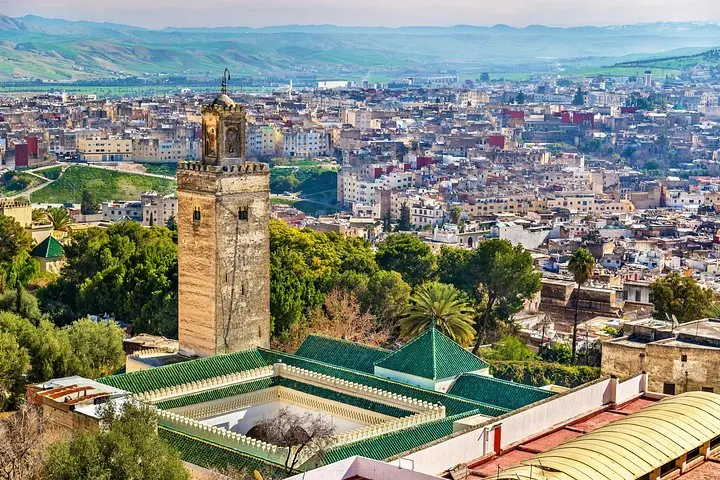
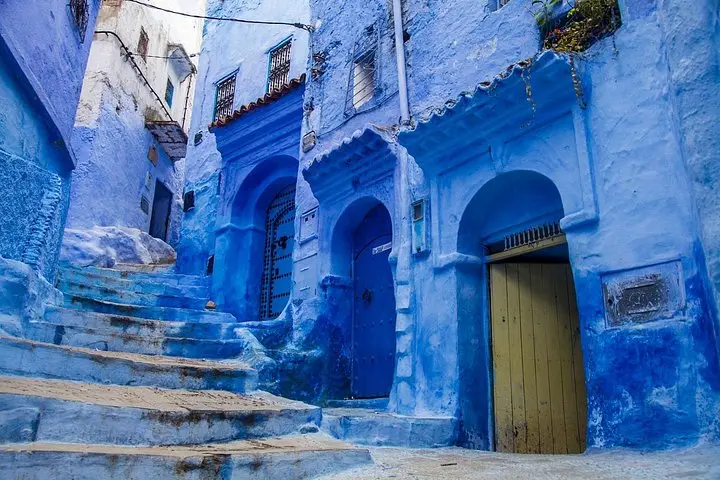
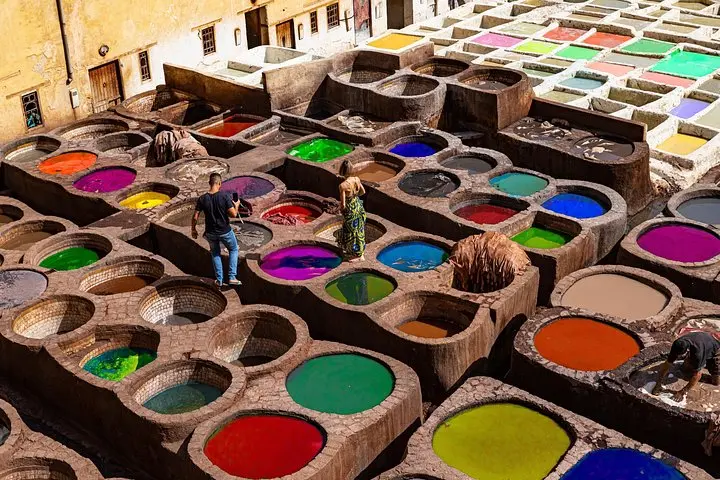
History sits visibly here: Roman pavements at Volubilis, Almoravid and Marinid architecture in Fes, and the Andalusian echoes visible across the Strait of Gibraltar. Geology shifts from Atlantic limestone capes to the folded, blue-tinged ridges of the Rif Mountains that cradle Chefchaouen’s painted houses. Culture is sensory — tannery scents, souk bargaining rhythms, and the layered Arab–Berber–Andalusian cuisine served morning and night in family-run riads.
Practically, this is a compact three-day corridor through northern Morocco built around private transport and guided stops. Expect brisk walking in medinas, brief hikes on Rif foothills, and time for markets and photography rather than extended trekking. Carry local currency for markets, bring closed-toe shoes for cobbled medina lanes and tanneries, and keep a lightweight daypack for water and sun protection. Passports and ferry tickets are mandatory; check visa rules before travel. Morning departures avoid noon heat; staggered hotel pickups from the Costa del Sol make the crossing straightforward for short-stay travelers. The trip balances cultural depth with manageable activity — an efficient introduction to Morocco’s layered landscapes and cities.