THE ADVENTURE COLLECTIVE® · Independent discovery and booking for outdoor travel

Three days of walking safari, forested trails, and a midnight summit push—this guided Mount Meru trek combines wildlife sightings in Arusha National Park with a sunrise view from Meru Peak. Read on for what to expect and how to prepare.
Three days of walking safari, forested trails, and a midnight summit push—this guided Mount Meru trek combines wildlife sightings in Arusha National Park with a sunrise view from Meru Peak. Read on for what to expect and how to prepare.
A headlamp beam threads through wet forest at 2 a.m., scattering the shapes of porters and guides as you step off a faint trail that smells of damp earth and bark. The first day begins gently: a transfer from Jeva’s Hotel in Arusha, a short registration at Momella Gate (1,400 m), and then a walking-safari into the foothills. Giraffes lift their heads between acacias; zebras drift across grass clearings; the Ngare Nanyuki River jeers at your boots before the trail climbs toward Miriakamba Hut (2,500 m).
Verified experiences and guided adventures in the surrounding area.
Operated by Suricata Safaris · Arusha, Arusha Region
A headlamp beam threads through wet forest at 2 a.m., scattering the shapes of porters and guides as you step off a faint trail that smells of damp earth and bark. The first day begins gently: a transfer from Jeva’s Hotel in Arusha, a short registration at Momella Gate (1,400 m), and then a walking-safari into the foothills. Giraffes lift their heads between acacias; zebras drift across grass clearings; the Ngare Nanyuki River jeers at your boots before the trail climbs toward Miriakamba Hut (2,500 m).
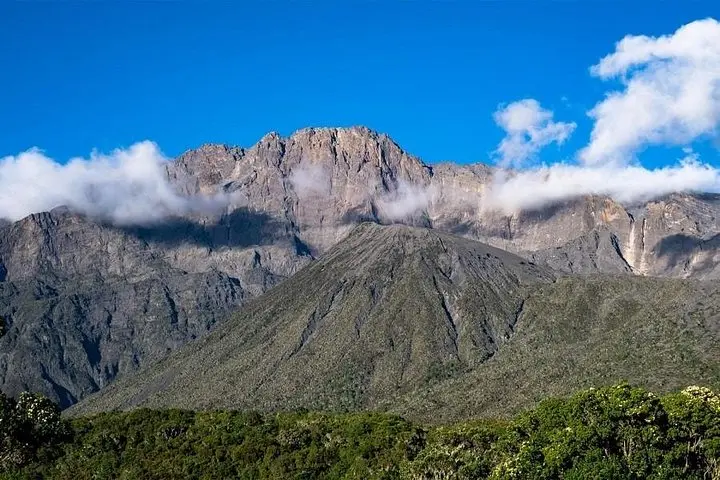
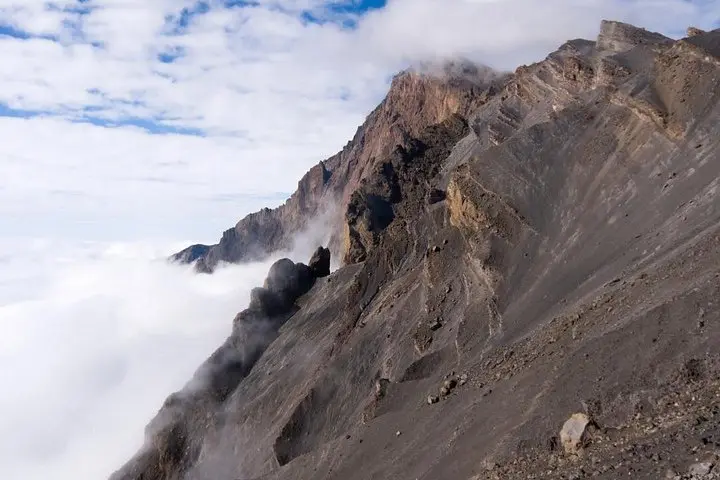
Mount Meru—an andesite stratovolcano rising to 4,562 m—sits inside Arusha National Park and feels like a compact lesson in East African geology. The route cuts from lowland savanna into montane forest, then through heath and volcanic scree. The mountain’s crater and ash cone are recent in geological terms, and their angled faces reveal layers of past eruptions. Culturally, the trail moves you past lands long used by local communities; guides commonly weave in stories about the region’s relationship with the mountain and the role park fees play in conservation and local livelihoods.
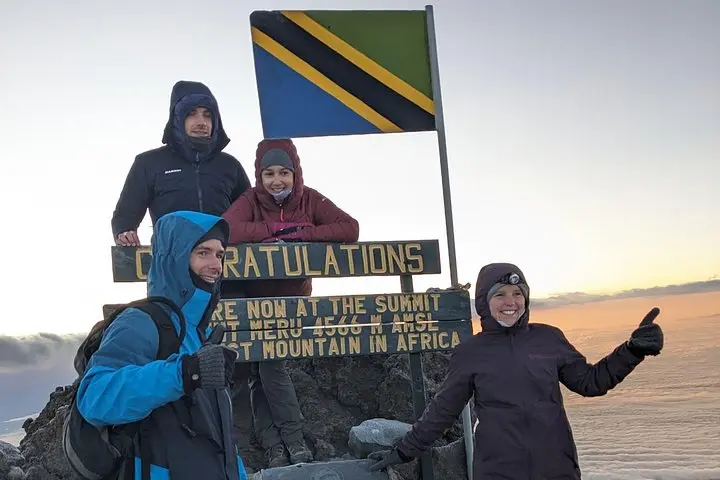
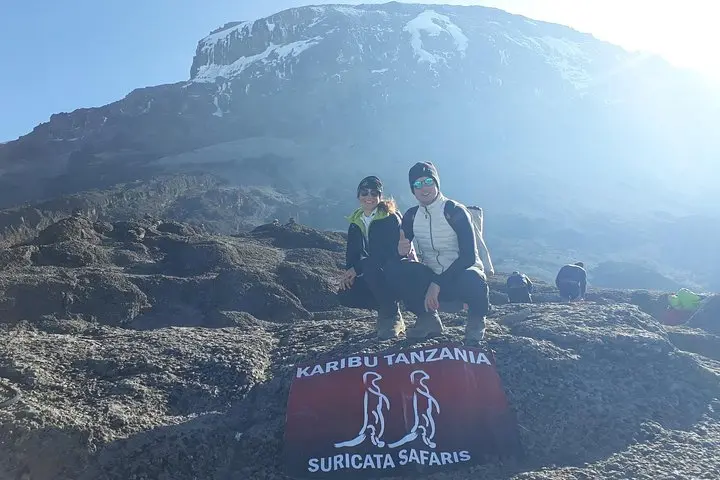
Day two tightens the screws: a steep ridge to Saddle Hut with panoramas of Meru’s crater and the forbidding ash cone. If you’re feeling good, Little Meru (≈3,820 m) is a short acclimatizing push that opens wider views and steadier breathing for the summit attempt. The final night begins early—dinner and sleep before a midnight departure that tests legs and willpower. The summit approach climbs through rocky switchbacks to Rhino Point (≈3,800 m), pushes on to Cobra Point (≈4,350 m), and finally reaches Meru Peak at dawn—clear days gift a rare view of Kilimanjaro silhouetted on the horizon.
Practical details: the full elevation gain from Momella Gate to Meru Peak is roughly 3,100–3,200 m spread across three days. Expect 7–10 hours hiking on day one, 4–6 hours on day two, and a long summit day that can total 10–14 hours round-trip including summit push and descent. Terrain ranges from packed dirt and muddy forest tracks to steep, loose volcanic scree above 3,000 m. Guides and porters are included, as are park fees and meals outlined by the operator—overnight stays use the mountain huts (Miriakamba and Saddle).
Plan for altitude: hydrate, sleep well, and communicate any symptoms to your guide. Footwear with good traction, a warm summit layer, and a reliable headlamp are non-negotiable. The route rewards steady pacing more than speed: move slow, keep breathing even, and the mountain will open up for you.
The trek is challenging due to sustained elevation gain and a midnight summit push; a moderate-to-high fitness level and prior multi-day hiking experience are recommended.
Meals listed by the operator are included; carry a 1–2 litre water capacity and a purification method or rely on water provided by the guides—confirm with the operator in advance.
Altitude affects people differently—symptoms can appear above 3,000 m; communicate with guides immediately if you feel severe headache, nausea, dizziness, or breathlessness; guides are trained to descend if needed.
Pick-up and drop-off are provided from Jeva’s Hotel in Arusha; a representative meets you at reception with a sign and transfers you to Momella Gate.
Yes—certified mountain guides, porters, and all park fees are included as outlined in the tour inclusions.
You can receive a full refund if you cancel at least 24 hours before the scheduled departure; cancellations within 24 hours are non-refundable.
Suricata Safaris operates guided outdoor trips and adventures with an emphasis on safety, stewardship, and memorable experiences.
A headlamp beam threads through wet forest at 2 a.m., scattering the shapes of porters and guides as you step off a faint trail that smells of damp earth and bark. The first day begins gently: a transfer from Jeva’s Hotel in Arusha, a short registration at Momella Gate (1,400 m), and then a walking-safari into the foothills. Giraffes lift their heads between acacias; zebras drift across grass clearings; the Ngare Nanyuki River jeers at your boots before the trail climbs toward Miriakamba Hut (2,500 m).
A headlamp beam threads through wet forest at 2 a.m., scattering the shapes of porters and guides as you step off a faint trail that smells of damp earth and bark. The first day begins gently: a transfer from Jeva’s Hotel in Arusha, a short registration at Momella Gate (1,400 m), and then a walking-safari into the foothills. Giraffes lift their heads between acacias; zebras drift across grass clearings; the Ngare Nanyuki River jeers at your boots before the trail climbs toward Miriakamba Hut (2,500 m).
Mount Meru—an andesite stratovolcano rising to 4,562 m—sits inside Arusha National Park and feels like a compact lesson in East African geology. The route cuts from lowland savanna into montane forest, then through heath and volcanic scree. The mountain’s crater and ash cone are recent in geological terms, and their angled faces reveal layers of past eruptions. Culturally, the trail moves you past lands long used by local communities; guides commonly weave in stories about the region’s relationship with the mountain and the role park fees play in conservation and local livelihoods.
Day two tightens the screws: a steep ridge to Saddle Hut with panoramas of Meru’s crater and the forbidding ash cone. If you’re feeling good, Little Meru (≈3,820 m) is a short acclimatizing push that opens wider views and steadier breathing for the summit attempt. The final night begins early—dinner and sleep before a midnight departure that tests legs and willpower. The summit approach climbs through rocky switchbacks to Rhino Point (≈3,800 m), pushes on to Cobra Point (≈4,350 m), and finally reaches Meru Peak at dawn—clear days gift a rare view of Kilimanjaro silhouetted on the horizon.
Practical details: the full elevation gain from Momella Gate to Meru Peak is roughly 3,100–3,200 m spread across three days. Expect 7–10 hours hiking on day one, 4–6 hours on day two, and a long summit day that can total 10–14 hours round-trip including summit push and descent. Terrain ranges from packed dirt and muddy forest tracks to steep, loose volcanic scree above 3,000 m. Guides and porters are included, as are park fees and meals outlined by the operator—overnight stays use the mountain huts (Miriakamba and Saddle).
Plan for altitude: hydrate, sleep well, and communicate any symptoms to your guide. Footwear with good traction, a warm summit layer, and a reliable headlamp are non-negotiable. The route rewards steady pacing more than speed: move slow, keep breathing even, and the mountain will open up for you.