THE ADVENTURE COLLECTIVE® · Independent discovery and booking for outdoor travel

A demanding 3-day trek that climbs to Mount Rinjani’s 3,726 m summit for a sunrise you won’t forget. Expect steep ascents, volcanic scree, and camping on exposed crater rims with a dip in Segara Anak below.
A demanding 3-day trek that climbs to Mount Rinjani’s 3,726 m summit for a sunrise you won’t forget. Expect steep ascents, volcanic scree, and camping on exposed crater rims with a dip in Segara Anak below.
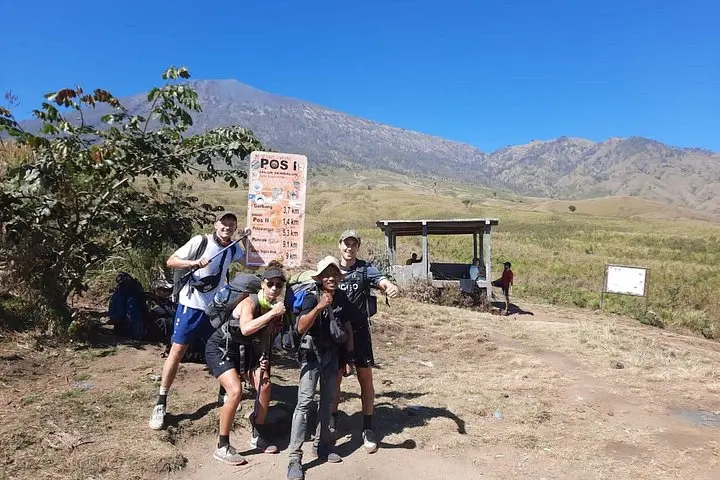
A headlamp slices the pre-dawn dark as you shoulder your pack and push up a steep switchback — above you the summit line waits like a cold promise. On the Sembalun route the trail climbs from grassland into sparse forest, then onto exposed volcanic scree; by first light the crater rim opens to views across the caldera and the blue-green Segara Anak lake below.
Verified experiences and guided adventures in the surrounding area.
Operated by Aldo Lombok Volcano · Senaru, West Nusa Tenggara
A headlamp slices the pre-dawn dark as you shoulder your pack and push up a steep switchback — above you the summit line waits like a cold promise. On the Sembalun route the trail climbs from grassland into sparse forest, then onto exposed volcanic scree; by first light the crater rim opens to views across the caldera and the blue-green Segara Anak lake below.
Rinjani is an active stratovolcano and the second-highest peak in Indonesia; its 3,726 m summit and 2000 m caldera hold both geological drama and cultural weight. The Sasak and Balinese communities revere the lake inside the caldera, and e-Rinjani permit systems now manage visitor numbers to protect fragile trails and hot springs.
Expect a solid elevation gain: roughly 1,480 m to the Sembalun crater rim on day one, a night-summit push of ~1,100 m on day two, and multi-hour descents across uneven volcanic talus. Terrain alternates packed dirt, rooty forest, volcanic ash and loose scree; weather shifts rapidly from humid valley heat to cold, windy ridgelines.
Practical edge: train with long uphill days and weighted packs, bring a reliable headlamp for the 2–3 am start, and layer for wide temperature swings. Hydrate early — water treatment or refills are limited — and plan for porter support if you prefer lighter loads. Campsites on the crater rim are exposed; carry a four-season sleeping bag and shelter with adequate wind resistance. With good conditioning and respect for altitude, a 3-day itinerary rewards you with sunrise at 3,726 m, a soak near Segara Anak, and a memorable traverse of Lombok’s volcanic heart.
Yes—Rinjani National Park requires registration and an e-Rinjani permit; your operator typically handles this during booking.
The summit push is steep and technical on loose scree; expect 3–5 hours round-trip from the crater rim with frequent rests.
Yes—local porters and guides are available and commonly used to carry gear and set up camps; factor this into your budget.
Yes; the rapid gain above 2,500 m means some hikers experience symptoms—ascend slowly, hydrate, and descend if symptoms worsen.
Aldo Lombok Volcano operates guided outdoor trips and adventures with an emphasis on safety, stewardship, and memorable experiences.
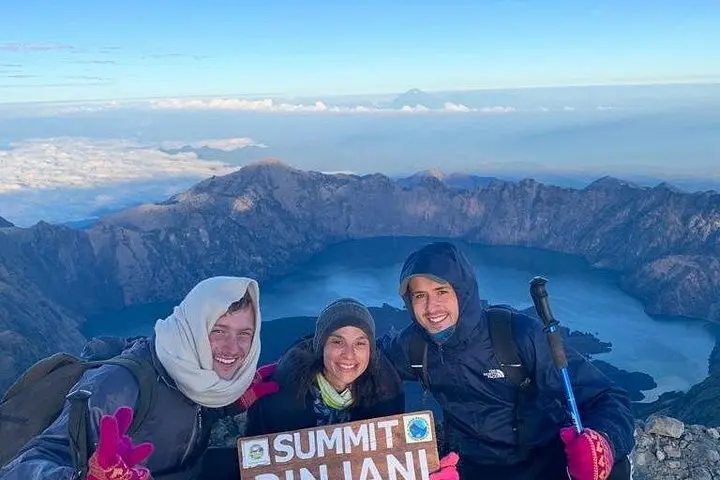
A headlamp slices the pre-dawn dark as you shoulder your pack and push up a steep switchback — above you the summit line waits like a cold promise. On the Sembalun route the trail climbs from grassland into sparse forest, then onto exposed volcanic scree; by first light the crater rim opens to views across the caldera and the blue-green Segara Anak lake below.
A headlamp slices the pre-dawn dark as you shoulder your pack and push up a steep switchback — above you the summit line waits like a cold promise. On the Sembalun route the trail climbs from grassland into sparse forest, then onto exposed volcanic scree; by first light the crater rim opens to views across the caldera and the blue-green Segara Anak lake below.
Rinjani is an active stratovolcano and the second-highest peak in Indonesia; its 3,726 m summit and 2000 m caldera hold both geological drama and cultural weight. The Sasak and Balinese communities revere the lake inside the caldera, and e-Rinjani permit systems now manage visitor numbers to protect fragile trails and hot springs.
Expect a solid elevation gain: roughly 1,480 m to the Sembalun crater rim on day one, a night-summit push of ~1,100 m on day two, and multi-hour descents across uneven volcanic talus. Terrain alternates packed dirt, rooty forest, volcanic ash and loose scree; weather shifts rapidly from humid valley heat to cold, windy ridgelines.
Practical edge: train with long uphill days and weighted packs, bring a reliable headlamp for the 2–3 am start, and layer for wide temperature swings. Hydrate early — water treatment or refills are limited — and plan for porter support if you prefer lighter loads. Campsites on the crater rim are exposed; carry a four-season sleeping bag and shelter with adequate wind resistance. With good conditioning and respect for altitude, a 3-day itinerary rewards you with sunrise at 3,726 m, a soak near Segara Anak, and a memorable traverse of Lombok’s volcanic heart.