THE ADVENTURE COLLECTIVE® · Independent discovery and booking for outdoor travel

Three days from Cairo lead you into Siwa’s salt lakes, sand seas and rock-cut tombs. This guided tour combines WWII history, floatable salt springs, sandboarding and the enigmatic Mountain of the Dead.
Three days from Cairo lead you into Siwa’s salt lakes, sand seas and rock-cut tombs. This guided tour combines WWII history, floatable salt springs, sandboarding and the enigmatic Mountain of the Dead.
The sun lowers behind salt flats as your minivan leaves the coastal roads and the desert opens—flat pans give way to low dunes, and the air smells of mineral dust and wild thyme. By evening you watch Fatnis Island reflect the last pink light of the day while the guide outlines the route: WWII cemeteries, hot springs that float you effortlessly, sand dunes for boarding, and the rock-cut tombs of the Mountain of the Dead.
Verified experiences and guided adventures in the surrounding area.
Operated by Egyptian Daily Tours · Siwa Oasis, Matrouh Governorate
The sun lowers behind salt flats as your minivan leaves the coastal roads and the desert opens—flat pans give way to low dunes, and the air smells of mineral dust and wild thyme. By evening you watch Fatnis Island reflect the last pink light of the day while the guide outlines the route: WWII cemeteries, hot springs that float you effortlessly, sand dunes for boarding, and the rock-cut tombs of the Mountain of the Dead.
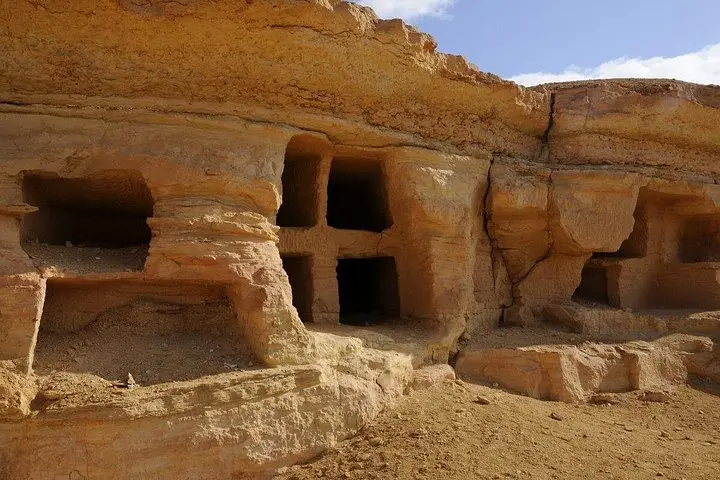
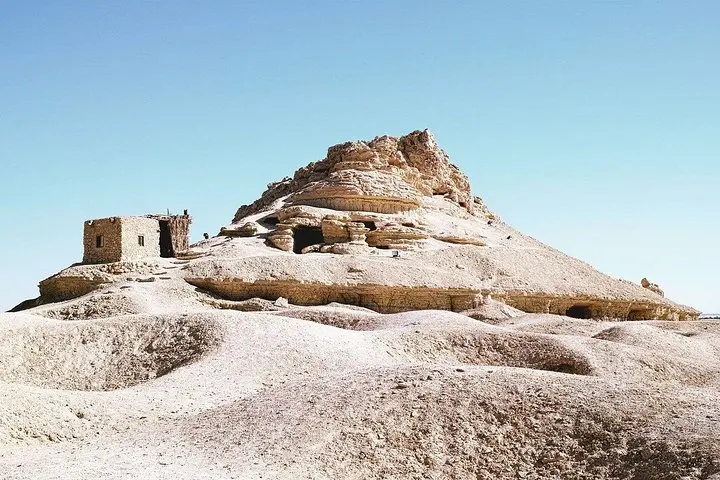
Siwa sits on an uplifted salt basin framed by the Great Sand Sea; its mud-brick Shali Fortress and Ptolemaic oracle temple speak to a crossroads of ancient Egyptian, Greek and Berber cultures. Gebel al-Mawta (Mountain of the Dead) preserves burial chambers carved across dynasties—here geology and funerary practice intersect where limestone and sandstone weather into ridges and cliffs.
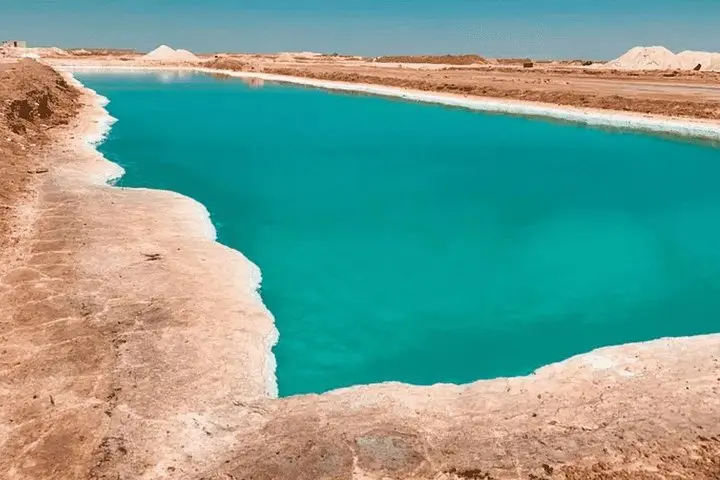
Expect warm days, cold desert nights, and strong sun reflected off salt pans. Cultural touches are direct: Siwan cuisine, Bedouin tea at sunset, and a small, tight-knit oasis town where handicrafts and oral history remain prominent. Practicalities matter—long transfers from Cairo require a comfortable vehicle and water; swims in the hypersaline lakes demand rinsing afterward and basic eye protection.
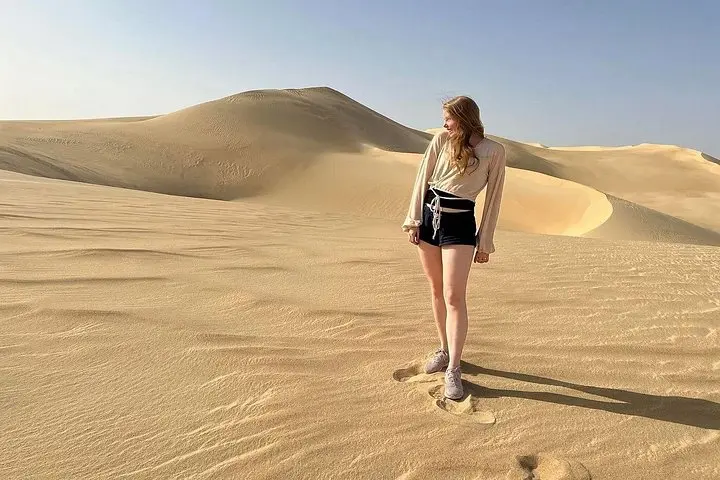
Plan for early starts to catch light at archaeological sites and late afternoons for dunes, when winds calm for sandboarding. Carry cash for small purchases, bring layers for sudden temperature drops, and respect local customs: modest dress in town and permission before photographing residents. With simple preparation this three-day loop balances historical curiosity, tactile desert adventure, and quiet natural moments.
The tour includes private A/C transfers by road; expect an 8–10 hour drive depending on stops and traffic.
Yes—hypersaline lakes make you buoyant, but avoid getting water in your eyes and rinse off with freshwater afterward.
Required entry fees are included in the itinerary, though small local purchases and tips are extra.
The provider notes it’s not recommended for pregnant travelers or those with serious spinal or heart conditions; check with operator about children and car-seat options.
Egyptian Daily Tours operates guided outdoor trips and adventures with an emphasis on safety, stewardship, and memorable experiences.
The sun lowers behind salt flats as your minivan leaves the coastal roads and the desert opens—flat pans give way to low dunes, and the air smells of mineral dust and wild thyme. By evening you watch Fatnis Island reflect the last pink light of the day while the guide outlines the route: WWII cemeteries, hot springs that float you effortlessly, sand dunes for boarding, and the rock-cut tombs of the Mountain of the Dead.
The sun lowers behind salt flats as your minivan leaves the coastal roads and the desert opens—flat pans give way to low dunes, and the air smells of mineral dust and wild thyme. By evening you watch Fatnis Island reflect the last pink light of the day while the guide outlines the route: WWII cemeteries, hot springs that float you effortlessly, sand dunes for boarding, and the rock-cut tombs of the Mountain of the Dead.
Siwa sits on an uplifted salt basin framed by the Great Sand Sea; its mud-brick Shali Fortress and Ptolemaic oracle temple speak to a crossroads of ancient Egyptian, Greek and Berber cultures. Gebel al-Mawta (Mountain of the Dead) preserves burial chambers carved across dynasties—here geology and funerary practice intersect where limestone and sandstone weather into ridges and cliffs.
Expect warm days, cold desert nights, and strong sun reflected off salt pans. Cultural touches are direct: Siwan cuisine, Bedouin tea at sunset, and a small, tight-knit oasis town where handicrafts and oral history remain prominent. Practicalities matter—long transfers from Cairo require a comfortable vehicle and water; swims in the hypersaline lakes demand rinsing afterward and basic eye protection.
Plan for early starts to catch light at archaeological sites and late afternoons for dunes, when winds calm for sandboarding. Carry cash for small purchases, bring layers for sudden temperature drops, and respect local customs: modest dress in town and permission before photographing residents. With simple preparation this three-day loop balances historical curiosity, tactile desert adventure, and quiet natural moments.