THE ADVENTURE COLLECTIVE® · Independent discovery and booking for outdoor travel

Witness sunrise over Mount Bromo’s crater, trek to the rim, then travel to the curtain-like Tumpak Sewu waterfall for a steep, rewarding descent to the basin below. This 3-day itinerary blends volcano views, village homestays, and lush canyon hikes.
Witness sunrise over Mount Bromo’s crater, trek to the rim, then travel to the curtain-like Tumpak Sewu waterfall for a steep, rewarding descent to the basin below. This 3-day itinerary blends volcano views, village homestays, and lush canyon hikes.
Dawn arrives in a bruise of indigo and orange as you stand on the Bromo sunrise viewpoint, wind pushing across the sea of volcanic sand and coffee steaming in your hands. The crater exhales a thin ribbon of smoke; beneath, a rim of pilgrims and photographers waits for that precise shift of light.
Verified experiences and guided adventures in the surrounding area.
Operated by IDN Trip Experiences · Probolinggo, East Java
Dawn arrives in a bruise of indigo and orange as you stand on the Bromo sunrise viewpoint, wind pushing across the sea of volcanic sand and coffee steaming in your hands. The crater exhales a thin ribbon of smoke; beneath, a rim of pilgrims and photographers waits for that precise shift of light.
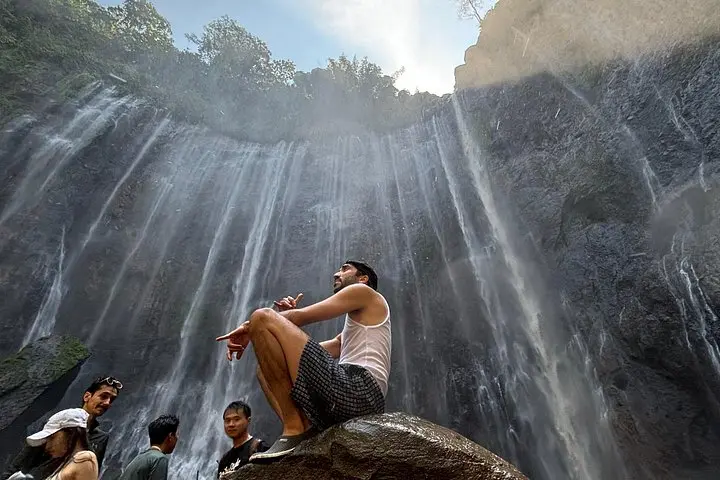
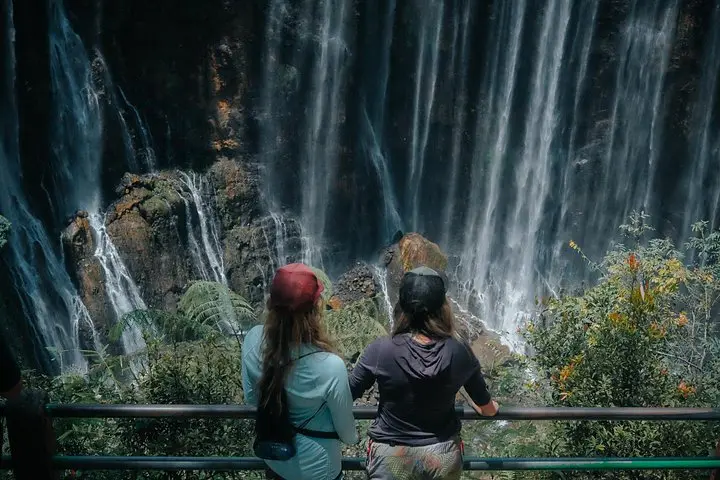
This three-day loop pairs two of East Java’s most dramatic landscapes: the volcanic amphitheater of Mount Bromo, part of the larger Tengger Caldera, and Tumpak Sewu, a segmented curtain waterfall that drops through a narrow canyon into a mossy basin. The Tengger people — a Hindu minority in Java — keep cultural ties to the mountain through the Yadnya Kasada ceremony, when offerings are cast into Bromo’s crater. Geologically, Bromo’s stark “sea of sand” is tuff and ash deposited around a younger cone; Tumpak Sewu owes its form to river incision into layered volcanic rock.
Expect early wake-ups, a jeep ride across sand, a 30–45 minute climb to the crater rim, and a steep, slippery descent at Tumpak Sewu to reach the waterfall base. Homestays in the Bromo area and simple cottages near Tumpak Sewu are the norm; services are basic but welcoming.
Practical note: plan for cold mornings and muddy trails—good boots, warm layers, and a headlamp are essential. Bring local currency for entrance fees, optional horse rides, and homestay purchases. Move respectfully: stay on trails, follow guides, and keep noise low near cultural sites. The route rewards early risers with sky-fire sunrises and the raw, physical thrill of standing where earth and water still shape each other.
Pickups can begin very early (around 02:30–07:00 depending on the day); sunrise viewing requires pre-dawn departure.
The descent is steep and slippery; it’s manageable for hikers with steady footing but not recommended for those with knee or mobility issues.
Horse rides to the crater rim are optional and paid locally — prices vary but expect around IDR 250,000 per horse (subject to change).
Children can join, but the itinerary includes early mornings, uneven terrain, and steep descents; check age and safety requirements with the operator.
IDN Trip Experiences operates guided outdoor trips and adventures with an emphasis on safety, stewardship, and memorable experiences.
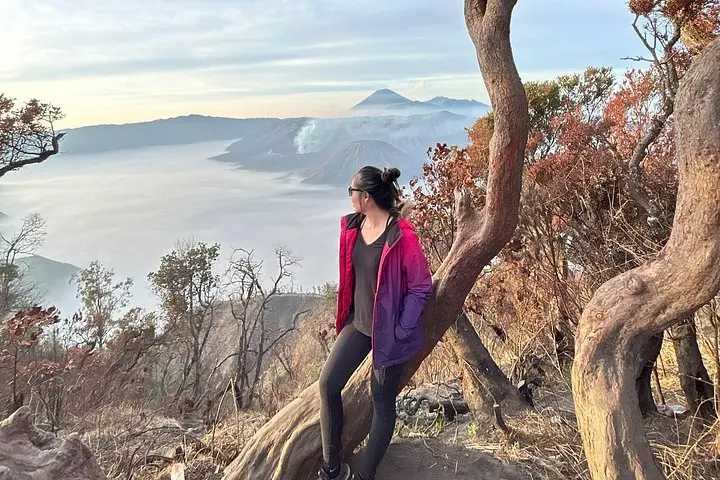
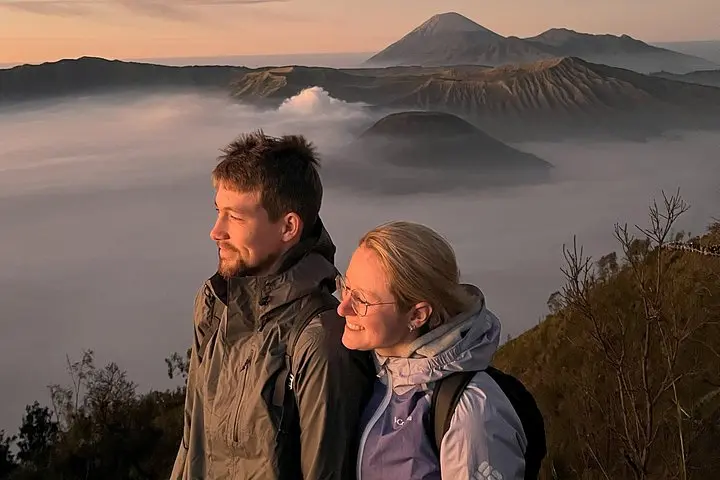
Dawn arrives in a bruise of indigo and orange as you stand on the Bromo sunrise viewpoint, wind pushing across the sea of volcanic sand and coffee steaming in your hands. The crater exhales a thin ribbon of smoke; beneath, a rim of pilgrims and photographers waits for that precise shift of light.
Dawn arrives in a bruise of indigo and orange as you stand on the Bromo sunrise viewpoint, wind pushing across the sea of volcanic sand and coffee steaming in your hands. The crater exhales a thin ribbon of smoke; beneath, a rim of pilgrims and photographers waits for that precise shift of light.
This three-day loop pairs two of East Java’s most dramatic landscapes: the volcanic amphitheater of Mount Bromo, part of the larger Tengger Caldera, and Tumpak Sewu, a segmented curtain waterfall that drops through a narrow canyon into a mossy basin. The Tengger people — a Hindu minority in Java — keep cultural ties to the mountain through the Yadnya Kasada ceremony, when offerings are cast into Bromo’s crater. Geologically, Bromo’s stark “sea of sand” is tuff and ash deposited around a younger cone; Tumpak Sewu owes its form to river incision into layered volcanic rock.
Expect early wake-ups, a jeep ride across sand, a 30–45 minute climb to the crater rim, and a steep, slippery descent at Tumpak Sewu to reach the waterfall base. Homestays in the Bromo area and simple cottages near Tumpak Sewu are the norm; services are basic but welcoming.
Practical note: plan for cold mornings and muddy trails—good boots, warm layers, and a headlamp are essential. Bring local currency for entrance fees, optional horse rides, and homestay purchases. Move respectfully: stay on trails, follow guides, and keep noise low near cultural sites. The route rewards early risers with sky-fire sunrises and the raw, physical thrill of standing where earth and water still shape each other.