THE ADVENTURE COLLECTIVE® · Independent discovery and booking for outdoor travel

Spend three days exploring Gunung Mulu’s vast cave passages, crystalline river pools and nighttime bat exodus. This compact wilderness trip pairs accessible plankwalks with deeper cave exploration and cultural visits to nearby Penan settlements.
Spend three days exploring Gunung Mulu’s vast cave passages, crystalline river pools and nighttime bat exodus. This compact wilderness trip pairs accessible plankwalks with deeper cave exploration and cultural visits to nearby Penan settlements.
You step off the small plane into heat that smells of wet stone and green. A short transfer brings you to raised plankwalks that thread through peat swamp and lowland rainforest—sudden openings reveal a jaw-dropping cave mouth, the day light reduced to a sliver as bats churn skyward like a living river.
Verified experiences and guided adventures in the surrounding area.
Operated by Asian Overland Services Tours & Travel · Mulu, Sarawak
You step off the small plane into heat that smells of wet stone and green. A short transfer brings you to raised plankwalks that thread through peat swamp and lowland rainforest—sudden openings reveal a jaw-dropping cave mouth, the day light reduced to a sliver as bats churn skyward like a living river.
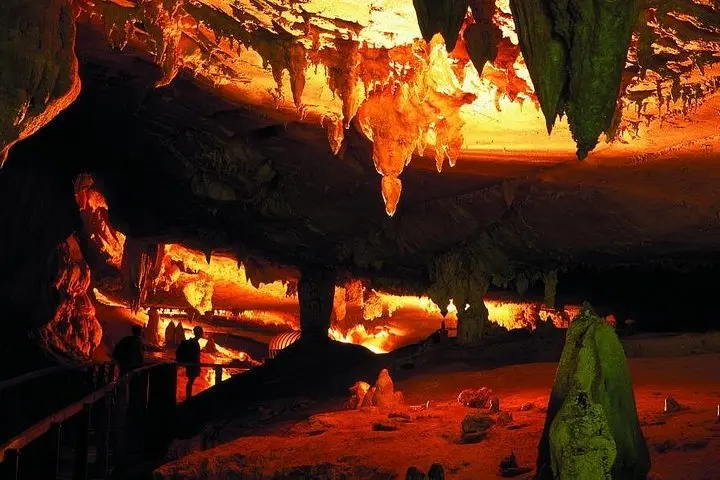
Gunung Mulu National Park is a UNESCO World Heritage Site renowned for its karst limestone, cave systems formed over millions of years, and sweeping river corridors. Deer Cave and Lang Cave present caverns of enormous scale and dramatic formations; Clearwater Cave carries river water filtered through hundreds of meters of limestone, leaving pools clear enough to swim. The park also intersects human history: Penan communities near Batu Bungan maintain traditional craftsmen skills and river-based livelihoods.
Geology here is active reading—limestone pinnacles and deeply incised canyons record erosion and uplift, while cave guano supports unique subterranean food chains. Expect a mix of boardwalks, short river boat hops, and guided cave passages. Wildlife sightings range from enormous bat exoduses at dusk to hornbills and small primates at dawn, but encounters aren’t guaranteed.
Practical guidance: pack a reliable headlamp and sturdy, quick-drying footwear; humidity and sudden rain are the norm. Plan flights via Miri or Kota Kinabalu to Mulu Airport; transfers are shared. The itinerary moves at a steady, exploratory pace—moderate fitness, comfortable with steps and uneven ground, will make the trip more enjoyable. Respect local Penan sites, follow guides’ instructions in caves, and carry reusable water to minimize waste—Mulu rewards patience with rare, vivid moments of wild Borneo.
Most travelers fly from Miri to Mulu Airport via scheduled regional flights, then transfer by shared vehicle to park accommodations.
Walks range from easy raised boardwalks to uneven cave floors; guides avoid tight squeezes on standard itineraries but people with severe claustrophobia should discuss routes with operators.
Yes—there are designated riverbanks and pools for swimming; always follow guide instructions about currents and safe entry points.
No—while bats, hornbills and other species are commonly seen, sightings depend on season, time of day and luck.
Asian Overland Services Tours & Travel operates guided outdoor trips and adventures with an emphasis on safety, stewardship, and memorable experiences.
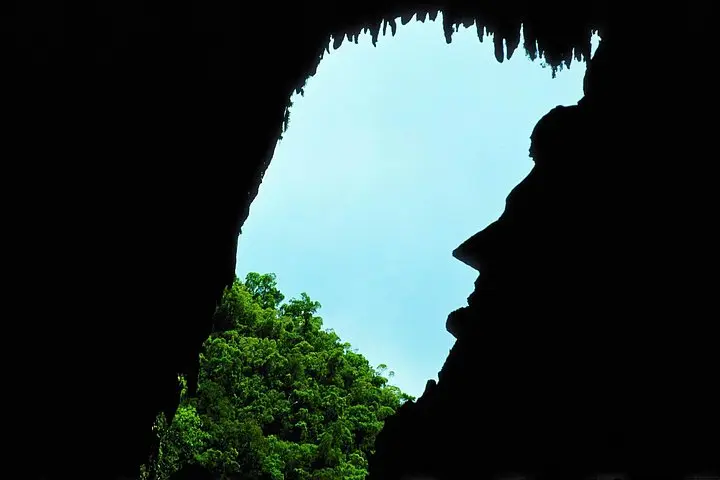
You step off the small plane into heat that smells of wet stone and green. A short transfer brings you to raised plankwalks that thread through peat swamp and lowland rainforest—sudden openings reveal a jaw-dropping cave mouth, the day light reduced to a sliver as bats churn skyward like a living river.
You step off the small plane into heat that smells of wet stone and green. A short transfer brings you to raised plankwalks that thread through peat swamp and lowland rainforest—sudden openings reveal a jaw-dropping cave mouth, the day light reduced to a sliver as bats churn skyward like a living river.
Gunung Mulu National Park is a UNESCO World Heritage Site renowned for its karst limestone, cave systems formed over millions of years, and sweeping river corridors. Deer Cave and Lang Cave present caverns of enormous scale and dramatic formations; Clearwater Cave carries river water filtered through hundreds of meters of limestone, leaving pools clear enough to swim. The park also intersects human history: Penan communities near Batu Bungan maintain traditional craftsmen skills and river-based livelihoods.
Geology here is active reading—limestone pinnacles and deeply incised canyons record erosion and uplift, while cave guano supports unique subterranean food chains. Expect a mix of boardwalks, short river boat hops, and guided cave passages. Wildlife sightings range from enormous bat exoduses at dusk to hornbills and small primates at dawn, but encounters aren’t guaranteed.
Practical guidance: pack a reliable headlamp and sturdy, quick-drying footwear; humidity and sudden rain are the norm. Plan flights via Miri or Kota Kinabalu to Mulu Airport; transfers are shared. The itinerary moves at a steady, exploratory pace—moderate fitness, comfortable with steps and uneven ground, will make the trip more enjoyable. Respect local Penan sites, follow guides’ instructions in caves, and carry reusable water to minimize waste—Mulu rewards patience with rare, vivid moments of wild Borneo.