THE ADVENTURE COLLECTIVE® · Independent discovery and booking for outdoor travel

Three days in Murchison Falls combine early-morning game drives, a Nile launch to the base of the falls, and a brisk hike to the top view. Expect varied terrain, close wildlife encounters, and practical logistics around transfers and park permits.
Three days in Murchison Falls combine early-morning game drives, a Nile launch to the base of the falls, and a brisk hike to the top view. Expect varied terrain, close wildlife encounters, and practical logistics around transfers and park permits.
Dawn finds you on a bumpy dirt road north of Masindi, light spilling across acacia and fig trees as the engine hums toward Murchison Falls. The Nile pushes through a narrow chasm ahead—water forced, furious, smoking in spray—and the sound carries over the riverine forest. You can smell wet earth and dust; hippos stir in side channels while savanna birds call from the canopy.
Verified experiences and guided adventures in the surrounding area.
Operated by NSHEKA AFRICAN ADVENTURES · Masindi, Bunyoro (Western Region)
Dawn finds you on a bumpy dirt road north of Masindi, light spilling across acacia and fig trees as the engine hums toward Murchison Falls. The Nile pushes through a narrow chasm ahead—water forced, furious, smoking in spray—and the sound carries over the riverine forest. You can smell wet earth and dust; hippos stir in side channels while savanna birds call from the canopy.
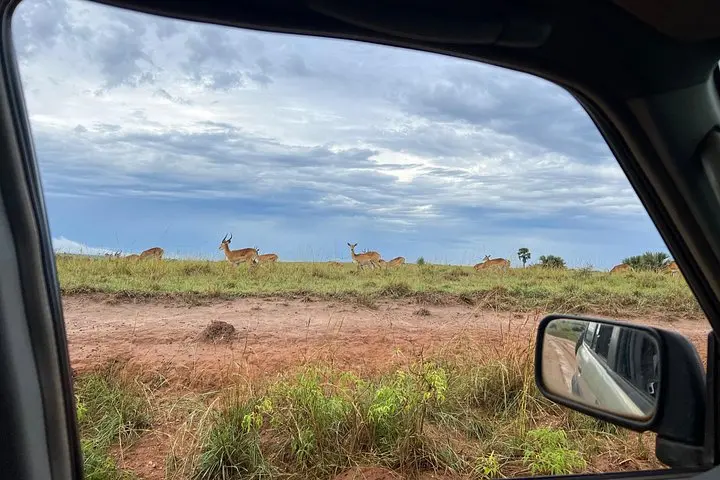
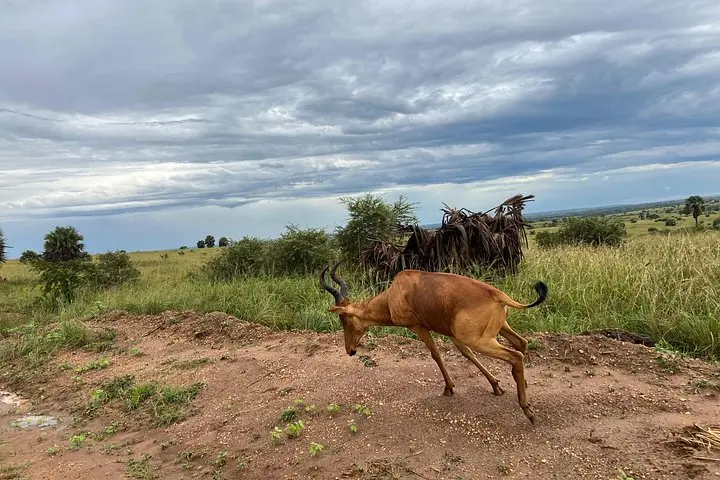
Murchison Falls National Park is Uganda’s largest reserve, carved through Miocene deposits where the Victoria Nile constricts and drops. The falls have long been a travel landmark—historically a link between Bunyoro kingdom communities and later explorers tracing the Nile. The park’s mix of savanna, riverine forest and papyrus delta creates concentrated wildlife corridors; elephants, buffalo and Uganda kob range the plains, and Nile crocodiles sun on the banks below the falls.
Practical guidance: this is a relaxed but active safari—expect early starts for game drives, mid-day breaks at lodge camps, and an afternoon launch cruise on the Nile that brings you within sight of the cataract. The short hike to the falls’ viewing point is steep in sections and can be slippery after rains; wear sturdy shoes, bring 1.5–2 L water, sun protection and a lightweight rain layer. Binoculars and a telephoto lens reward patience on dawn drives. Respect park rules: keep distance from wildlife and avoid leaving food in tents.
Timing matters: dry months concentrate animals near water for easier sightings; rainy months make roads softer and landscapes richer. Guides handle permits and boat logistics—arrive with cash for park entry if not prepaid, and plan transfers to/from Kampala or Masindi. Murchison’s roar is immediate, physical—nature pressing against you, daring you to keep watching.
Consult a travel clinic—yellow fever vaccination is required for some travelers entering Uganda and malaria prophylaxis is strongly recommended for Murchison Falls region.
Check booking details—some tours include park fees and boat permits, but if not included you’ll need to pay them locally, often in cash.
Yes—boats are standard Nile launches, but always confirm life jackets and seat availability; infants and small children should be supervised closely.
Road transfer from Kampala to Murchison Falls takes about 5–6 hours each way depending on conditions; tours typically include these transfers and stop for breaks en route.
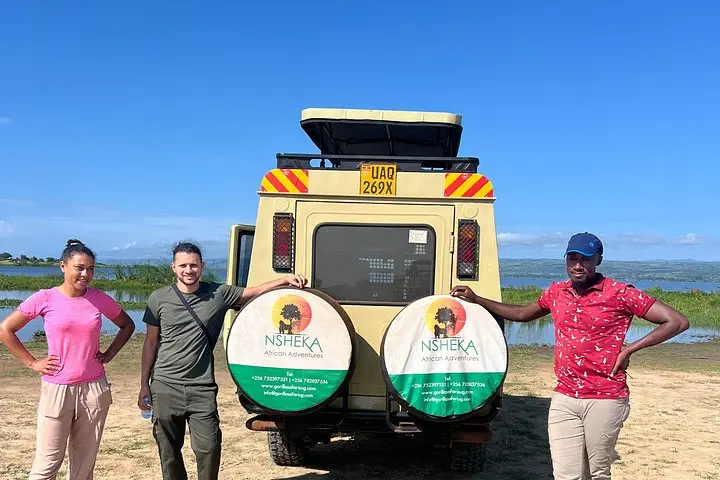
NSHEKA AFRICAN ADVENTURES operates guided outdoor trips and adventures with an emphasis on safety, stewardship, and memorable experiences.
Dawn finds you on a bumpy dirt road north of Masindi, light spilling across acacia and fig trees as the engine hums toward Murchison Falls. The Nile pushes through a narrow chasm ahead—water forced, furious, smoking in spray—and the sound carries over the riverine forest. You can smell wet earth and dust; hippos stir in side channels while savanna birds call from the canopy.
Dawn finds you on a bumpy dirt road north of Masindi, light spilling across acacia and fig trees as the engine hums toward Murchison Falls. The Nile pushes through a narrow chasm ahead—water forced, furious, smoking in spray—and the sound carries over the riverine forest. You can smell wet earth and dust; hippos stir in side channels while savanna birds call from the canopy.
Murchison Falls National Park is Uganda’s largest reserve, carved through Miocene deposits where the Victoria Nile constricts and drops. The falls have long been a travel landmark—historically a link between Bunyoro kingdom communities and later explorers tracing the Nile. The park’s mix of savanna, riverine forest and papyrus delta creates concentrated wildlife corridors; elephants, buffalo and Uganda kob range the plains, and Nile crocodiles sun on the banks below the falls.
Practical guidance: this is a relaxed but active safari—expect early starts for game drives, mid-day breaks at lodge camps, and an afternoon launch cruise on the Nile that brings you within sight of the cataract. The short hike to the falls’ viewing point is steep in sections and can be slippery after rains; wear sturdy shoes, bring 1.5–2 L water, sun protection and a lightweight rain layer. Binoculars and a telephoto lens reward patience on dawn drives. Respect park rules: keep distance from wildlife and avoid leaving food in tents.
Timing matters: dry months concentrate animals near water for easier sightings; rainy months make roads softer and landscapes richer. Guides handle permits and boat logistics—arrive with cash for park entry if not prepaid, and plan transfers to/from Kampala or Masindi. Murchison’s roar is immediate, physical—nature pressing against you, daring you to keep watching.