THE ADVENTURE COLLECTIVE® · Independent discovery and booking for outdoor travel

Three days of concentrated Tanzanian safari: Tarangire’s elephants and baobabs, Lake Manyara’s bird-rich shallows and tree-climbing lions, and a full-day descent into Ngorongoro Crater to hunt sightings of the Big Five.
Three days of concentrated Tanzanian safari: Tarangire’s elephants and baobabs, Lake Manyara’s bird-rich shallows and tree-climbing lions, and a full-day descent into Ngorongoro Crater to hunt sightings of the Big Five.
Dawn breaks over the Acacia line as your 4x4 eases out of Arusha and the plains open beneath a wide African sky. Elephants wander beneath ancient baobabs in Tarangire; Lake Manyara’s shallows flash with flamingo-pink; and by late morning on day three you peer down into Ngorongoro’s volcanic bowl where herds gather like clockwork.
Verified experiences and guided adventures in the surrounding area.
Operated by Januz Safaris · Arusha, Arusha Region
Dawn breaks over the Acacia line as your 4x4 eases out of Arusha and the plains open beneath a wide African sky. Elephants wander beneath ancient baobabs in Tarangire; Lake Manyara’s shallows flash with flamingo-pink; and by late morning on day three you peer down into Ngorongoro’s volcanic bowl where herds gather like clockwork.
Geology here is direct: the Ngorongoro Crater is a collapsed volcano — a rim roughly 2,200–2,400 m above sea level encircling a floor some 600 m below — that traps water and wildlife in high densities. Human history is equally immediate: the crater sits within the Ngorongoro Conservation Area, a multiple-use landscape where Maasai pastoralists live and graze alongside protected wildlife. Tarangire is famous for seasonal elephant concentrations and stately baobabs; Lake Manyara is a birding hotspot, known for tree-climbing lions and vast flamingo flocks.
Practical guidance: expect long game-drive days in a pop-up roof 4x4 with charging ports, binoculars provided, park fees and midrange lodge accommodation included. Drives from Arusha run roughly 2–4 hours to each park; early starts improve sightings, especially in Ngorongoro where predators use the crater’s topography to hunt. Bring layered clothing for big diurnal swings (hot sun in the vehicle, chilly mornings on the rim), a sun hat, refillable water, and a good camera with a telephoto lens.
On balance this itinerary maximizes sightings across three distinct ecosystems—pack patience, respect distance rules around wildlife, and let the landscape move you at its pace.
The tour is rated easy: most time is spent on gentle game drives from a pop-up roof 4x4; minimal walking is required.
Yes—park fees, midrange lodge accommodation, meals as listed, professional guide, and transport in a 4x4 jeep are included.
Ngorongoro has one of the highest densities of wildlife per km², improving your chances of seeing the Big Five, but sightings cannot be guaranteed.
The rim sits around 2,200–2,400 m; most travelers tolerate it well but those with serious cardiopulmonary issues should consult a doctor.
Januz Safaris operates guided outdoor trips and adventures with an emphasis on safety, stewardship, and memorable experiences.
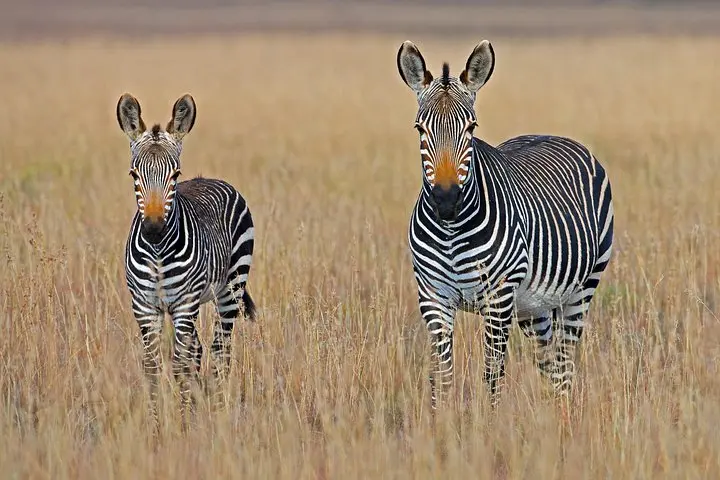
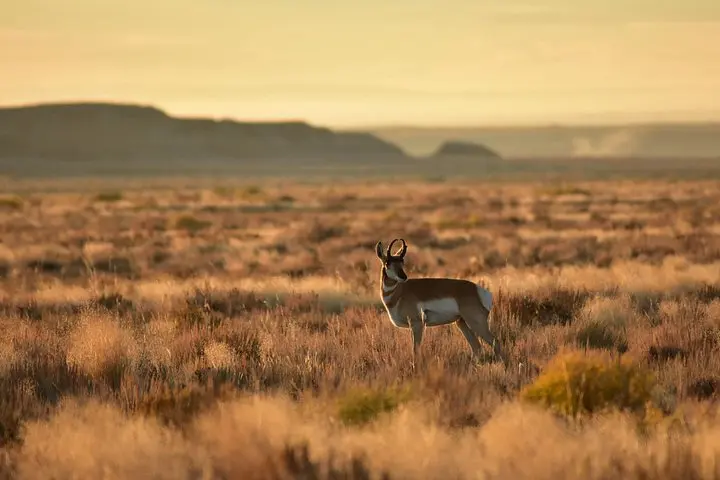
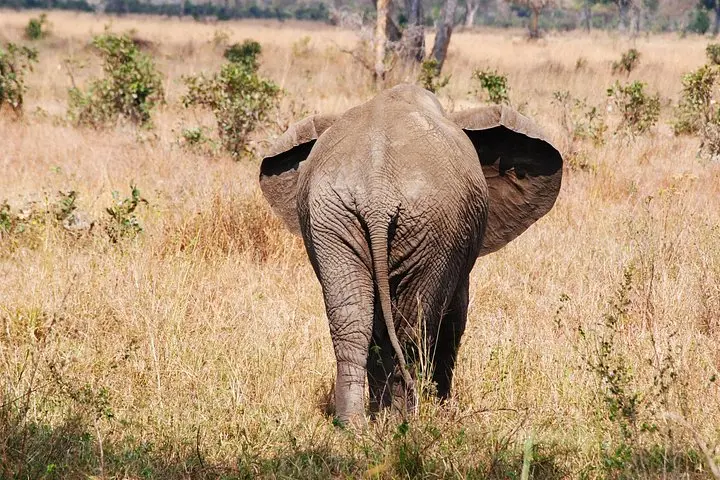
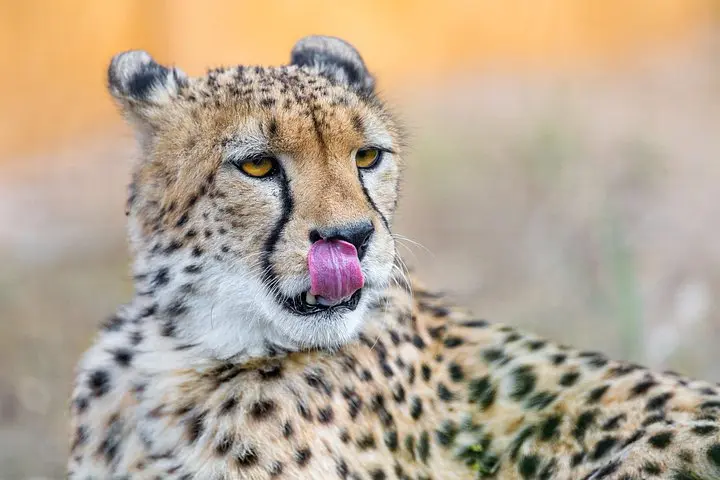
Dawn breaks over the Acacia line as your 4x4 eases out of Arusha and the plains open beneath a wide African sky. Elephants wander beneath ancient baobabs in Tarangire; Lake Manyara’s shallows flash with flamingo-pink; and by late morning on day three you peer down into Ngorongoro’s volcanic bowl where herds gather like clockwork.
Dawn breaks over the Acacia line as your 4x4 eases out of Arusha and the plains open beneath a wide African sky. Elephants wander beneath ancient baobabs in Tarangire; Lake Manyara’s shallows flash with flamingo-pink; and by late morning on day three you peer down into Ngorongoro’s volcanic bowl where herds gather like clockwork.
Geology here is direct: the Ngorongoro Crater is a collapsed volcano — a rim roughly 2,200–2,400 m above sea level encircling a floor some 600 m below — that traps water and wildlife in high densities. Human history is equally immediate: the crater sits within the Ngorongoro Conservation Area, a multiple-use landscape where Maasai pastoralists live and graze alongside protected wildlife. Tarangire is famous for seasonal elephant concentrations and stately baobabs; Lake Manyara is a birding hotspot, known for tree-climbing lions and vast flamingo flocks.
Practical guidance: expect long game-drive days in a pop-up roof 4x4 with charging ports, binoculars provided, park fees and midrange lodge accommodation included. Drives from Arusha run roughly 2–4 hours to each park; early starts improve sightings, especially in Ngorongoro where predators use the crater’s topography to hunt. Bring layered clothing for big diurnal swings (hot sun in the vehicle, chilly mornings on the rim), a sun hat, refillable water, and a good camera with a telephoto lens.
On balance this itinerary maximizes sightings across three distinct ecosystems—pack patience, respect distance rules around wildlife, and let the landscape move you at its pace.