THE ADVENTURE COLLECTIVE® · Independent discovery and booking for outdoor travel

Move between Philae, Kom Ombo, Edfu and Luxor on a three-day Nile cruise that pairs relaxed river travel with guided visits to Egypt’s greatest temples and tombs. Expect morning walks in desert heat, onboard meals, and direct transfers between sites.
Move between Philae, Kom Ombo, Edfu and Luxor on a three-day Nile cruise that pairs relaxed river travel with guided visits to Egypt’s greatest temples and tombs. Expect morning walks in desert heat, onboard meals, and direct transfers between sites.
You step onto the deck as the Nile pushes its current past palm-lined banks, the ship answering with a low, steady hum. Morning light polishes sandstone façades on Agilkia Island where Philae stands, and the river narrows and widens like a traveler deciding its route. Over three days the boat becomes your moving basecamp: temple visits by tender, lunches on board, and evenings spent watching gulls quarter the water.
Verified experiences and guided adventures in the surrounding area.
Operated by Bastet Travel · Aswan, Aswan Governorate
You step onto the deck as the Nile pushes its current past palm-lined banks, the ship answering with a low, steady hum. Morning light polishes sandstone façades on Agilkia Island where Philae stands, and the river narrows and widens like a traveler deciding its route. Over three days the boat becomes your moving basecamp: temple visits by tender, lunches on board, and evenings spent watching gulls quarter the water.
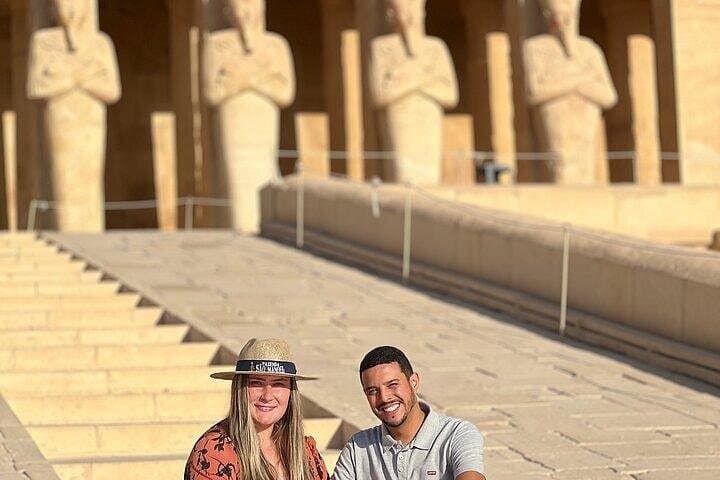
This corridor between Aswan and Luxor is the cradle of pharaonic Egypt — temples raised where annual inundation left rich silt and fertile floodplains. Kom Ombo’s twin sanctuaries recall a dual theology (Sobek and Horus), while Edfu’s Temple of Horus is one of the best-preserved stone temples of the late period. Luxor’s West Bank gathers mortuary monuments: the Valley of the Kings offers painted tomb chambers and Hatshepsut’s terraced funerary temple clings to a cliff face above the desert.
Practical guidance: travel light and sun-smart. Expect short guided walks on hot, sandy terrain and uneven stone steps in tombs. The itinerary includes private transfers and an Egyptologist guide; entry costs to some tombs can vary, so carry small local currency. Morning departures beat heat and crowds; early spring and late fall are the most comfortable seasons. Hydrate, wear closed shoes with good grip for tomb descents, and allot extra time to absorb the small museums and Nile-side villages you pass. The cruise balances scenic river travel with concentrated archaeology, making it ideal for travelers who want history served with steady passage and uncomplicated logistics.
Some standard sites and guided visits are included, but additional ticketed tombs (like certain royal tombs) may require separate entry fees—bring cash.
Standard cabins are comfortable and functional with en suite bathrooms, two nights’ accommodation on board, and communal dining areas; amenities vary by vessel.
The trip involves boarding tenders and walking on uneven stone surfaces and steps; it’s generally suitable for those with basic mobility but may be difficult for travelers needing ramps or wheelchairs.
October–April offers the most comfortable temperatures for walking; late spring and summer are much hotter and require earlier starts and extra water.
Bastet Travel operates guided outdoor trips and adventures with an emphasis on safety, stewardship, and memorable experiences.
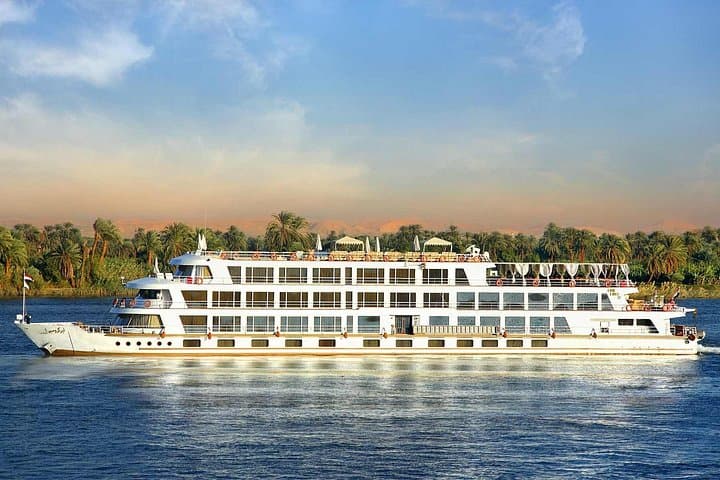

You step onto the deck as the Nile pushes its current past palm-lined banks, the ship answering with a low, steady hum. Morning light polishes sandstone façades on Agilkia Island where Philae stands, and the river narrows and widens like a traveler deciding its route. Over three days the boat becomes your moving basecamp: temple visits by tender, lunches on board, and evenings spent watching gulls quarter the water.
You step onto the deck as the Nile pushes its current past palm-lined banks, the ship answering with a low, steady hum. Morning light polishes sandstone façades on Agilkia Island where Philae stands, and the river narrows and widens like a traveler deciding its route. Over three days the boat becomes your moving basecamp: temple visits by tender, lunches on board, and evenings spent watching gulls quarter the water.
This corridor between Aswan and Luxor is the cradle of pharaonic Egypt — temples raised where annual inundation left rich silt and fertile floodplains. Kom Ombo’s twin sanctuaries recall a dual theology (Sobek and Horus), while Edfu’s Temple of Horus is one of the best-preserved stone temples of the late period. Luxor’s West Bank gathers mortuary monuments: the Valley of the Kings offers painted tomb chambers and Hatshepsut’s terraced funerary temple clings to a cliff face above the desert.
Practical guidance: travel light and sun-smart. Expect short guided walks on hot, sandy terrain and uneven stone steps in tombs. The itinerary includes private transfers and an Egyptologist guide; entry costs to some tombs can vary, so carry small local currency. Morning departures beat heat and crowds; early spring and late fall are the most comfortable seasons. Hydrate, wear closed shoes with good grip for tomb descents, and allot extra time to absorb the small museums and Nile-side villages you pass. The cruise balances scenic river travel with concentrated archaeology, making it ideal for travelers who want history served with steady passage and uncomplicated logistics.