THE ADVENTURE COLLECTIVE® · Independent discovery and booking for outdoor travel
Walk sea-swept beaches, climb low sandstone headlands and cross the tidal causeway to Holy Island on a privately guided three-day trek from Newcastle. Expect long coastal days, castle ruins and working fishing villages.
Walk sea-swept beaches, climb low sandstone headlands and cross the tidal causeway to Holy Island on a privately guided three-day trek from Newcastle. Expect long coastal days, castle ruins and working fishing villages.
You set off beneath the platform clock at Newcastle Central, boots squeaking on damp stone, the river Tyne giving way to a coastline that pushes and tucks itself into long beaches, dunes and the dark shoulders of ruined castles.
Verified experiences and guided adventures in the surrounding area.
Operated by Martin Stait · Newcastle upon Tyne, Northumberland
You set off beneath the platform clock at Newcastle Central, boots squeaking on damp stone, the river Tyne giving way to a coastline that pushes and tucks itself into long beaches, dunes and the dark shoulders of ruined castles.
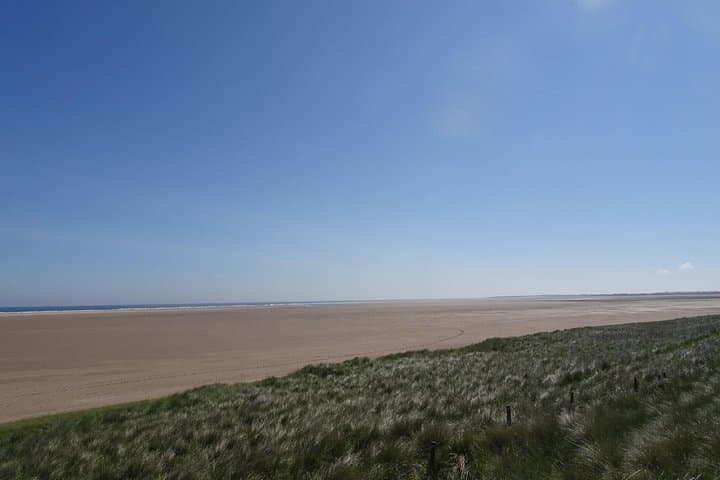
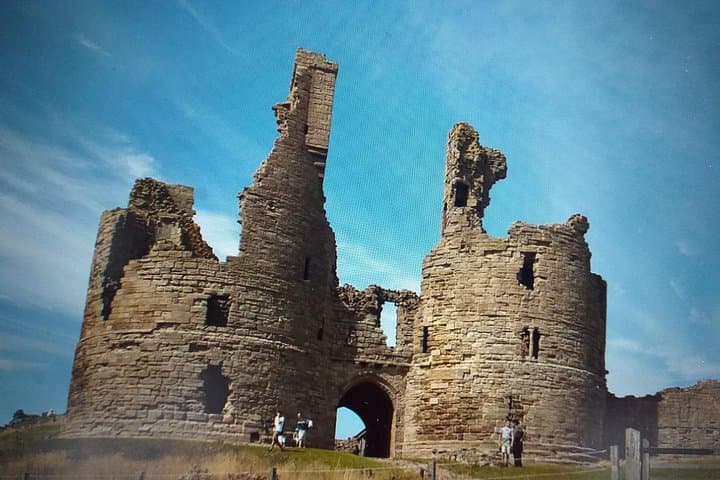
Across three active days the route threads Alnmouth’s shingle, the low sandstone bluff at Dunstanburgh, and the broad sweep toward Bamburgh Castle before the tidal drama of Lindisfarne’s causeway and the wide sands at Goswick. Geology is plain here: Permian and Carboniferous sandstones shaped by millennia of wind and wave, with dunes and tidal flats that test your pace and attention.
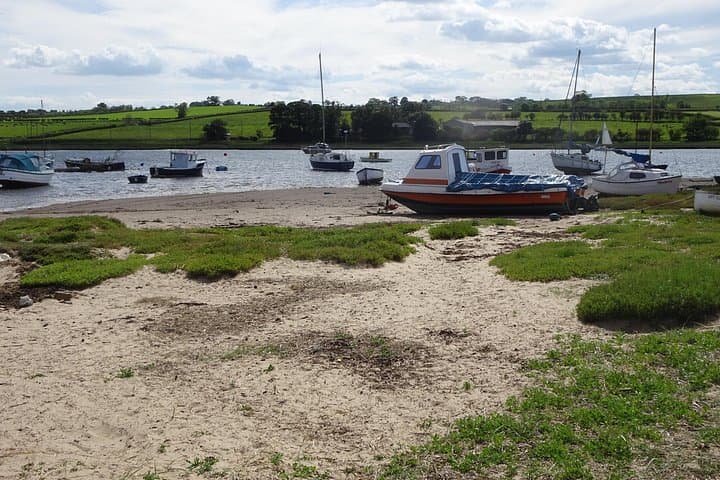
History sits on every headland — medieval fortresses, St Aidan’s monastic links on Holy Island, and Victorian stories like Grace Darling’s rescue in nearby Seahouses. Fishing villages still launch small boats, and the Area of Outstanding Natural Beauty status helps keep roads scarce and nights dark.
Practically, expect long days on undulating coastal paths and beach walking rather than sustained alpine climbs; the guide handles navigation and rail/bus transfers but you'll cover 10–16 miles on walking days. The Holy Island causeway is tidal — timing matters. Bring layered waterproofs, good boots with grip for wet rock and sand, and a charged phone with local train times cached.
Start in Newcastle, move light between hostels or small hotels, and plan flexible travel back to Berwick or Newcastle by rail. This is a coastal walking tour that stays close to the sea and to history, rewarding stamina with wide horizons and intimate encounters with Northumberland’s working shore.
Walking days typically range from about 10 to 16 miles depending on the stage; expect full days of walking with stops at villages and viewpoints.
This tour is best for experienced walkers with good stamina; long distances and variable terrain make it unsuitable for those new to multi-day trekking.
The tour is guided and includes route planning and transfers; the guide leads on the coastal path and manages tide-sensitive crossings like Lindisfarne.
Accommodation is usually in small hotels or guesthouses in towns along the route; meals are not explicitly included so plan for local pubs, cafés and packed lunches on walking days.
Martin Stait operates guided outdoor trips and adventures with an emphasis on safety, stewardship, and memorable experiences.
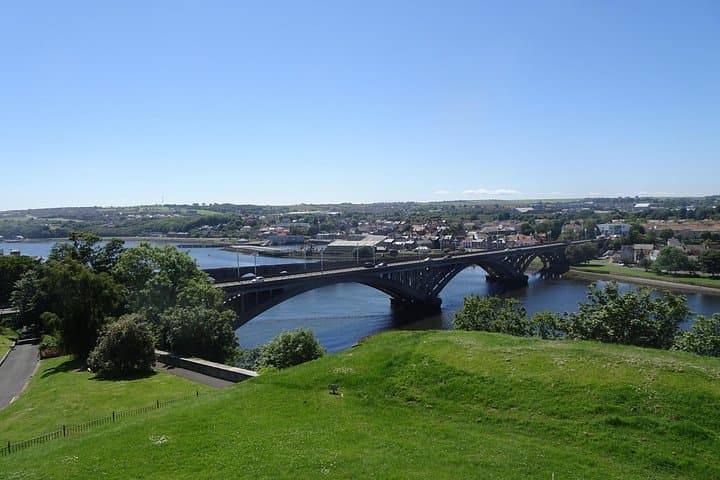
You set off beneath the platform clock at Newcastle Central, boots squeaking on damp stone, the river Tyne giving way to a coastline that pushes and tucks itself into long beaches, dunes and the dark shoulders of ruined castles.
You set off beneath the platform clock at Newcastle Central, boots squeaking on damp stone, the river Tyne giving way to a coastline that pushes and tucks itself into long beaches, dunes and the dark shoulders of ruined castles.
Across three active days the route threads Alnmouth’s shingle, the low sandstone bluff at Dunstanburgh, and the broad sweep toward Bamburgh Castle before the tidal drama of Lindisfarne’s causeway and the wide sands at Goswick. Geology is plain here: Permian and Carboniferous sandstones shaped by millennia of wind and wave, with dunes and tidal flats that test your pace and attention.
History sits on every headland — medieval fortresses, St Aidan’s monastic links on Holy Island, and Victorian stories like Grace Darling’s rescue in nearby Seahouses. Fishing villages still launch small boats, and the Area of Outstanding Natural Beauty status helps keep roads scarce and nights dark.
Practically, expect long days on undulating coastal paths and beach walking rather than sustained alpine climbs; the guide handles navigation and rail/bus transfers but you'll cover 10–16 miles on walking days. The Holy Island causeway is tidal — timing matters. Bring layered waterproofs, good boots with grip for wet rock and sand, and a charged phone with local train times cached.
Start in Newcastle, move light between hostels or small hotels, and plan flexible travel back to Berwick or Newcastle by rail. This is a coastal walking tour that stays close to the sea and to history, rewarding stamina with wide horizons and intimate encounters with Northumberland’s working shore.
