THE ADVENTURE COLLECTIVE® · Independent discovery and booking for outdoor travel

Three days across the Lower Omo Valley introduce travelers to riverside villages, vibrant body art and Rift-edge scenery. Practical daily drives, short village walks and knowledgeable local guides make this an accessible cultural safari.
Three days across the Lower Omo Valley introduce travelers to riverside villages, vibrant body art and Rift-edge scenery. Practical daily drives, short village walks and knowledgeable local guides make this an accessible cultural safari.
Dawn cracks over red earth and a slow, ribboning Omo River; dust lifts from a convoy of vehicles as a guide calls out the day’s schedule. Over three days this circuit moves between Jinka, Turmi and river-side villages where the Hamer, Mursi and Karo maintain striking body art, beadwork and ceremonial life.
Verified experiences and guided adventures in the surrounding area.
Operated by Ethio Travel And Tours · Jinka, Southern Nations, Nationalities, and Peoples' Region
Dawn cracks over red earth and a slow, ribboning Omo River; dust lifts from a convoy of vehicles as a guide calls out the day’s schedule. Over three days this circuit moves between Jinka, Turmi and river-side villages where the Hamer, Mursi and Karo maintain striking body art, beadwork and ceremonial life.
The Lower Omo sits on the southern edge of the Ethiopian Rift, a landscape of broad floodplains, seasonal river channels and volcanic highlands that cradle both living cultures and important archaeological sites. Visitors will see acacia-lined riverbanks that take on different characters with the rains and encounter villages whose material culture reflects centuries of agro-pastoral practice.
Expect close-up cultural observation rather than staged performances: short village walks, market visits and guided explanations of age-grade ceremonies, lip plates and body paint. Roads between Jinka, Turmi and Karo are a mix of paved approaches and long stretches of graded gravel; drives can take several hours and become slow in the rainy season. Daytime temperatures are hot and sun is strong; mornings and evenings cool noticeably.
Practical guidance: the trip typically includes two breakfasts and local guiding with shared-group logistics (max ~12). Bring sturdy walking shoes for rocky and sandy surfaces, a wide-brim hat, at least 2–3 liters of water per day, cash in Ethiopian birr for market purchases, and a respectful attitude toward photography—always ask first. Confirm domestic flight logistics and road conditions before travel; flexibility is part of exploring a region where the river and seasons call the pace.
Itineraries often reference domestic flights; confirm at booking whether the flight segment is included or if you should arrange your own ticket.
Yes—small shared groups (up to ~12) are common, and guides facilitate intercultural interactions, but expect some time traveling with others.
Moderate fitness; the tour involves short village walks on uneven ground and multi-hour vehicle transfers rather than prolonged trekking.
Check current travel-health guidance before departure; a yellow fever certificate may be required depending on travel origin and public-health rules.
Ethio Travel And Tours operates guided outdoor trips and adventures with an emphasis on safety, stewardship, and memorable experiences.
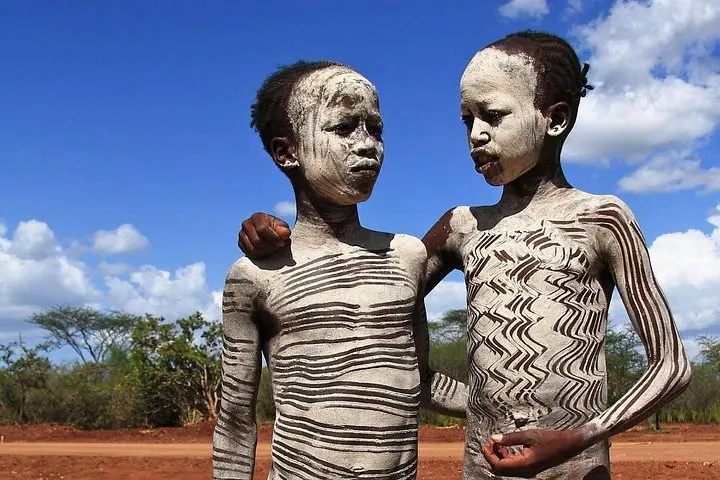
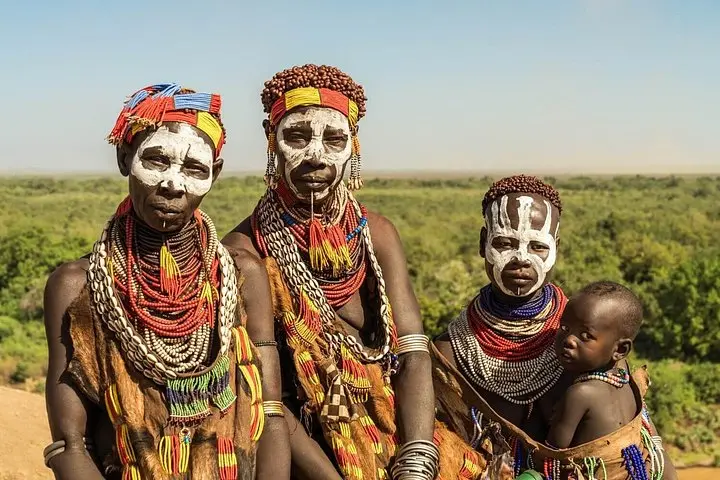
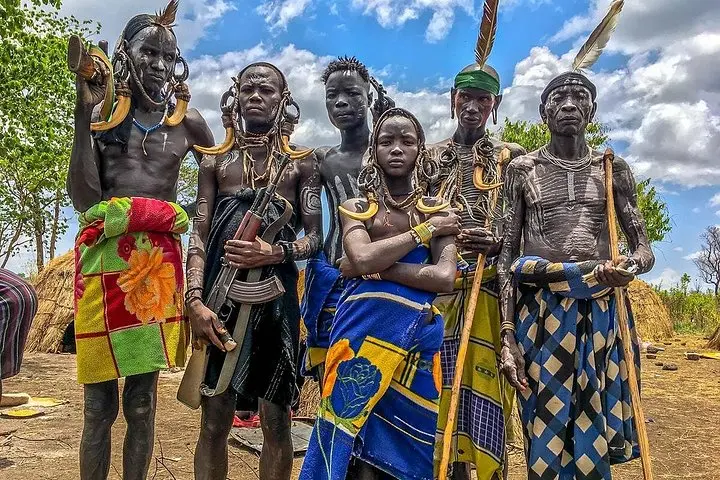
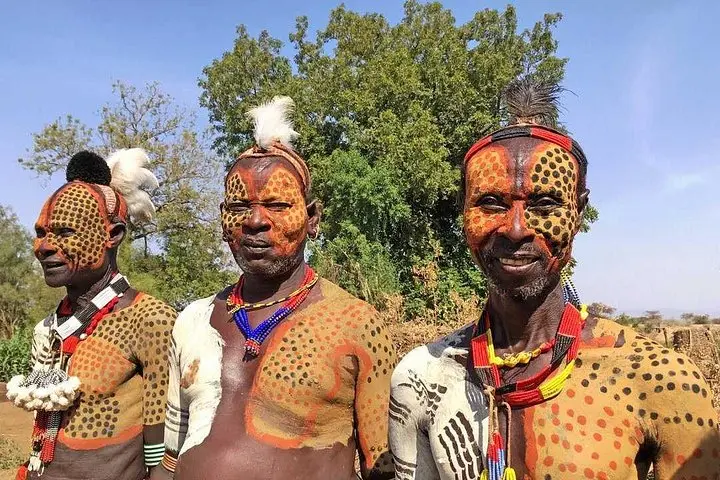
Dawn cracks over red earth and a slow, ribboning Omo River; dust lifts from a convoy of vehicles as a guide calls out the day’s schedule. Over three days this circuit moves between Jinka, Turmi and river-side villages where the Hamer, Mursi and Karo maintain striking body art, beadwork and ceremonial life.
Dawn cracks over red earth and a slow, ribboning Omo River; dust lifts from a convoy of vehicles as a guide calls out the day’s schedule. Over three days this circuit moves between Jinka, Turmi and river-side villages where the Hamer, Mursi and Karo maintain striking body art, beadwork and ceremonial life.
The Lower Omo sits on the southern edge of the Ethiopian Rift, a landscape of broad floodplains, seasonal river channels and volcanic highlands that cradle both living cultures and important archaeological sites. Visitors will see acacia-lined riverbanks that take on different characters with the rains and encounter villages whose material culture reflects centuries of agro-pastoral practice.
Expect close-up cultural observation rather than staged performances: short village walks, market visits and guided explanations of age-grade ceremonies, lip plates and body paint. Roads between Jinka, Turmi and Karo are a mix of paved approaches and long stretches of graded gravel; drives can take several hours and become slow in the rainy season. Daytime temperatures are hot and sun is strong; mornings and evenings cool noticeably.
Practical guidance: the trip typically includes two breakfasts and local guiding with shared-group logistics (max ~12). Bring sturdy walking shoes for rocky and sandy surfaces, a wide-brim hat, at least 2–3 liters of water per day, cash in Ethiopian birr for market purchases, and a respectful attitude toward photography—always ask first. Confirm domestic flight logistics and road conditions before travel; flexibility is part of exploring a region where the river and seasons call the pace.