THE ADVENTURE COLLECTIVE® · Independent discovery and booking for outdoor travel

Spend three days inside Pacaya-Samiria National Reserve: dawn boat trips for pink dolphins, guided walks to identify medicinal plants, piranha fishing and night tours searching for nocturnal reptiles and insects. Practical logistics, cultural context and what to pack for lowland Amazon conditions.
Spend three days inside Pacaya-Samiria National Reserve: dawn boat trips for pink dolphins, guided walks to identify medicinal plants, piranha fishing and night tours searching for nocturnal reptiles and insects. Practical logistics, cultural context and what to pack for lowland Amazon conditions.
The boat slips away from Nauta as the Marañón widens and the jungle leans close, leaves lifting like hands to shade the water. On arrival at Pacaya Samiria Amazon Lodge the air smells of wet wood and tropical fruit; a lodge descendent greets guests with fresh juice while the river and forest set the day’s tempo.
Verified experiences and guided adventures in the surrounding area.
Operated by Tangol · Iquitos, Loreto
The boat slips away from Nauta as the Marañón widens and the jungle leans close, leaves lifting like hands to shade the water. On arrival at Pacaya Samiria Amazon Lodge the air smells of wet wood and tropical fruit; a lodge descendent greets guests with fresh juice while the river and forest set the day’s tempo.
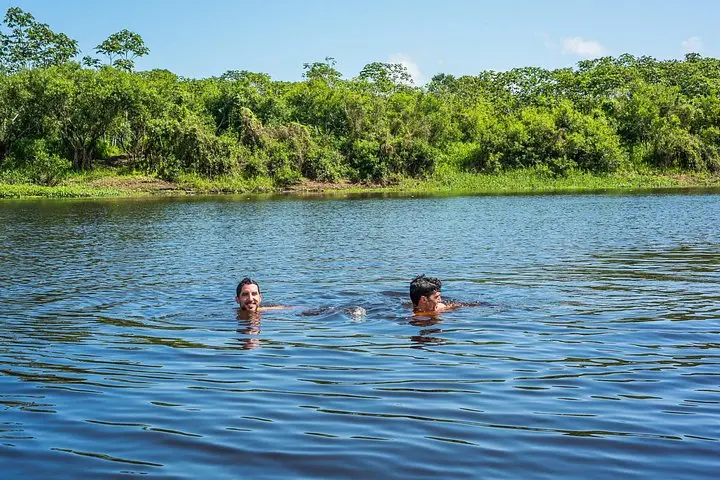
This corner of the Peruvian Amazon is part of Pacaya-Samiria National Reserve, a vast floodplain created by meandering rivers and seasonal inundation. Geologically it’s low-lying alluvium carved by the Marañón and Ucayali; culturally it’s Kukama territory, where knowledge of medicinal plants and river seasons passes between generations. The reserve’s nickname, “Jungle of Mirrors,” comes from the mosaic of blackwater cochas and reflective oxbows that double the sky.
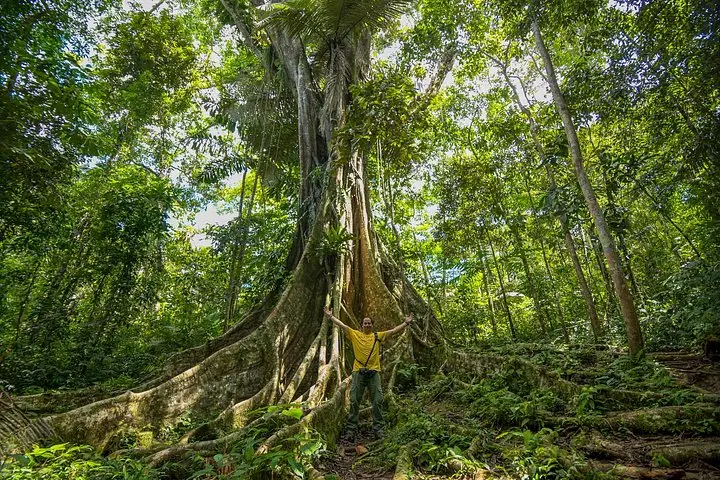
Expect guided dawn and dusk boat trips to search for pink dolphins, sloths, and wading birds; daytime walks to learn about camu camu, aguaje and traditional plant uses; and optional piranha fishing or night walks for caiman, frogs and insects. Accommodation is basic lodge comfort with generator power in the evenings and no Wi‑Fi—an intentional reset.
Practical guide: arrive Iquitos before 09:00 for the morning transfer to Nauta (≈1.5 hours by road) and plan departures after 18:00. Trails are flat but muddy when rivers rise; rubber boots are standard. Bring light-colored clothing, insect repellent, binoculars and a rain shell. Respect local communities, follow guide directions near wildlife, and pack out waste; the Reserve’s rhythms depend on low-impact visits.
Yellow fever vaccination is optional for this lodge but consult health advice for travel to the Peruvian Amazon and your home country’s recommendations.
The lodge has generator power in the evenings (typically 18:00–22:00) but no reliable Wi‑Fi—plan for limited connectivity.
Children 4 and younger are complimentary; the program is family-friendly but adults should supervise night walks and fishing activities.
Yes—piranha fishing is offered as an activity; follow guide safety briefings and local catch-and-release or consumption guidelines.
Tangol operates guided outdoor trips and adventures with an emphasis on safety, stewardship, and memorable experiences.
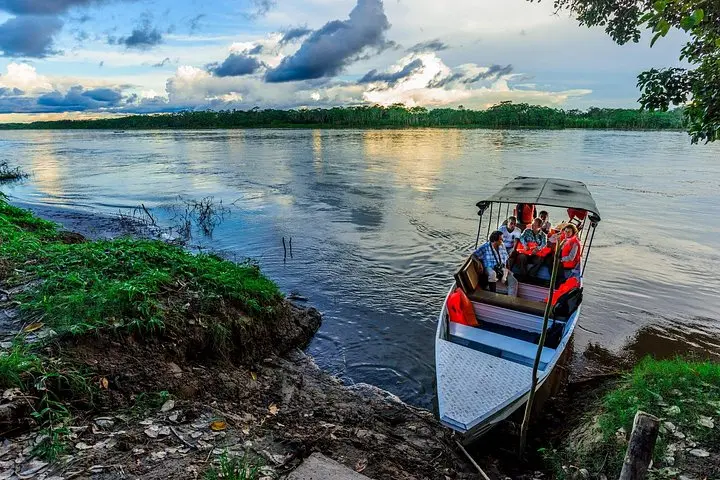
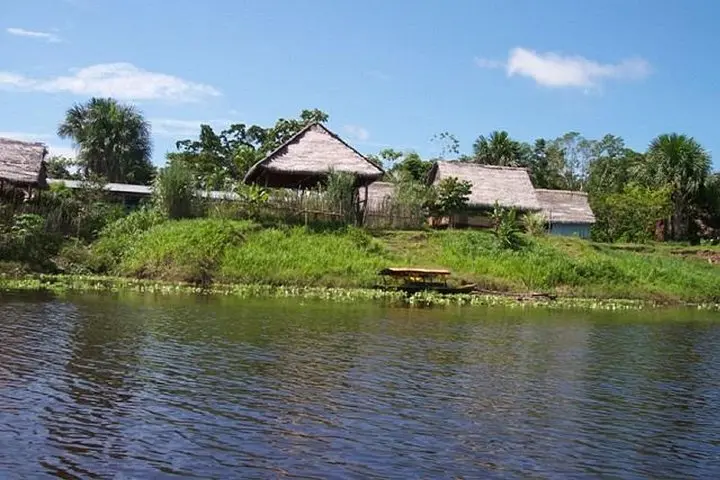
The boat slips away from Nauta as the Marañón widens and the jungle leans close, leaves lifting like hands to shade the water. On arrival at Pacaya Samiria Amazon Lodge the air smells of wet wood and tropical fruit; a lodge descendent greets guests with fresh juice while the river and forest set the day’s tempo.
The boat slips away from Nauta as the Marañón widens and the jungle leans close, leaves lifting like hands to shade the water. On arrival at Pacaya Samiria Amazon Lodge the air smells of wet wood and tropical fruit; a lodge descendent greets guests with fresh juice while the river and forest set the day’s tempo.
This corner of the Peruvian Amazon is part of Pacaya-Samiria National Reserve, a vast floodplain created by meandering rivers and seasonal inundation. Geologically it’s low-lying alluvium carved by the Marañón and Ucayali; culturally it’s Kukama territory, where knowledge of medicinal plants and river seasons passes between generations. The reserve’s nickname, “Jungle of Mirrors,” comes from the mosaic of blackwater cochas and reflective oxbows that double the sky.
Expect guided dawn and dusk boat trips to search for pink dolphins, sloths, and wading birds; daytime walks to learn about camu camu, aguaje and traditional plant uses; and optional piranha fishing or night walks for caiman, frogs and insects. Accommodation is basic lodge comfort with generator power in the evenings and no Wi‑Fi—an intentional reset.
Practical guide: arrive Iquitos before 09:00 for the morning transfer to Nauta (≈1.5 hours by road) and plan departures after 18:00. Trails are flat but muddy when rivers rise; rubber boots are standard. Bring light-colored clothing, insect repellent, binoculars and a rain shell. Respect local communities, follow guide directions near wildlife, and pack out waste; the Reserve’s rhythms depend on low-impact visits.