THE ADVENTURE COLLECTIVE® · Independent discovery and booking for outdoor travel

A compact, coach-based three-day route through the Peloponnese linking the Temple of Poseidon, the Corinth Canal, Epidaurus, Mycenae and the sacred site of Olympia. Ideal for travelers who want concentrated access to classical sites with short walks and scenic coastal drives.
A compact, coach-based three-day route through the Peloponnese linking the Temple of Poseidon, the Corinth Canal, Epidaurus, Mycenae and the sacred site of Olympia. Ideal for travelers who want concentrated access to classical sites with short walks and scenic coastal drives.
You arrive in Athens and the city loosens its hold as the road bends south toward a coast of windswept capes and low limestone ridges. By late afternoon the marble columns of the Temple of Poseidon at Cape Sounio stand against a wide, wind-cut sky; the sea seems to dare you to follow it farther.
Verified experiences and guided adventures in the surrounding area.
Operated by REMAZ TOURS GmbH · Athens, Attica
You arrive in Athens and the city loosens its hold as the road bends south toward a coast of windswept capes and low limestone ridges. By late afternoon the marble columns of the Temple of Poseidon at Cape Sounio stand against a wide, wind-cut sky; the sea seems to dare you to follow it farther.
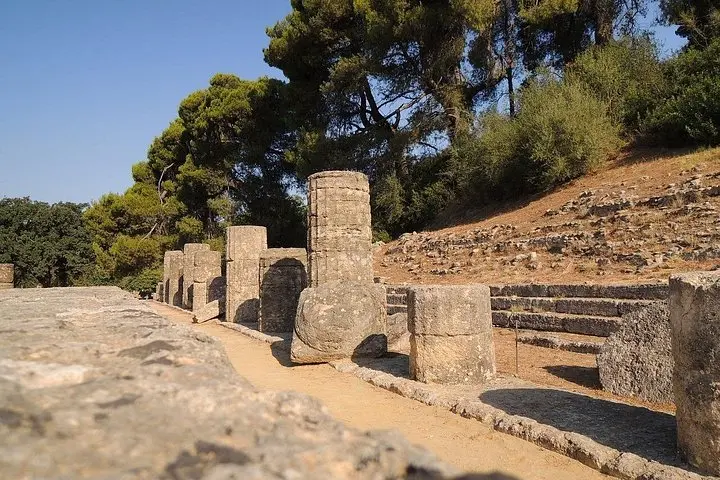
Over three days the route stitches together classical milestones: the narrow cut of the Corinth Canal that cleaves sea from sea, the near-perfect acoustics of Epidaurus’ theatre, the cyclopean walls and shaft-tombs at Mycenae, and finally the broad olive plain that cradles Olympia’s stadium and ruined temples. Geology here is simple and honest—limestone plateaus, alluvial plains, and coastal promontories that defined ancient travel and settlement patterns.
Culturally the tour traces civic and religious life: sanctuaries, healing centres, and the birthplace of the Panhellenic games. Local towns—Nafplio and small Argolic villages—offer working harbours, mezedes, and quiet streets where modern life rubs against antiquity.
Practicalities: this is a coach-based, low-impact tour with short on-site walks on uneven stone and low staircases. Expect 2–4 hours driving stretches between stops; bring sun protection and comfortable walking shoes. Mornings are best for fragile monuments and to avoid the heat; take water, a light layer for coastal breezes, and a small daypack for camera and snacks.
This itinerary is ideal for curious travelers who want concentrated access to key classical sites without intensive hiking—the landscape invites quiet observation and steady, manageable exploration.
Each stop involves short to moderate walking—typically 15–45 minutes around ruins, with some uneven stone and low steps; no long hikes are required.
The tour inclusions list tickets as provided; confirm whether specific museum or site entrance fees are covered at booking.
Accommodation and air-conditioned transportation are included; transfers between hotels and sites are handled by the tour operator.
Breakfasts and one dinner are included; notify the operator at booking about dietary restrictions so local hotels and restaurants can prepare alternatives.
REMAZ TOURS GmbH operates guided outdoor trips and adventures with an emphasis on safety, stewardship, and memorable experiences.
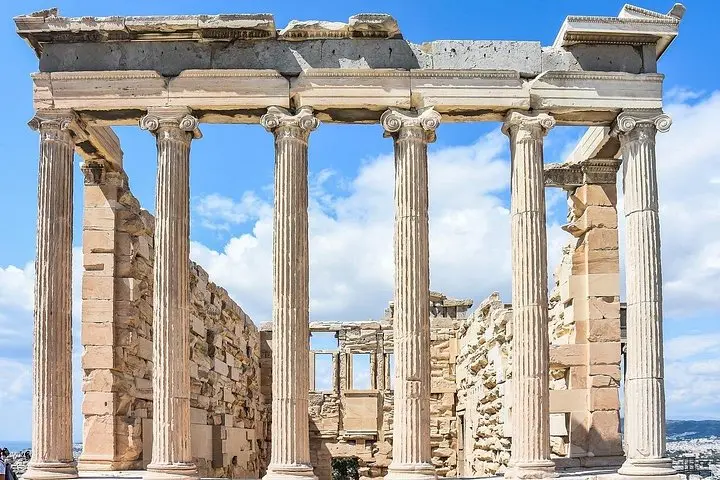
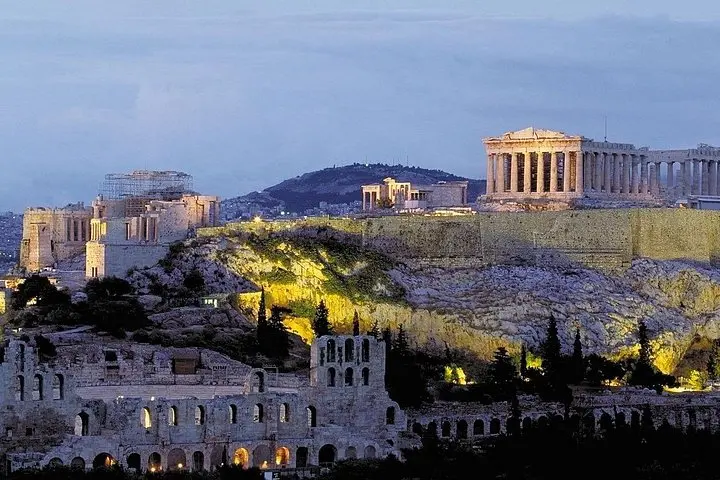
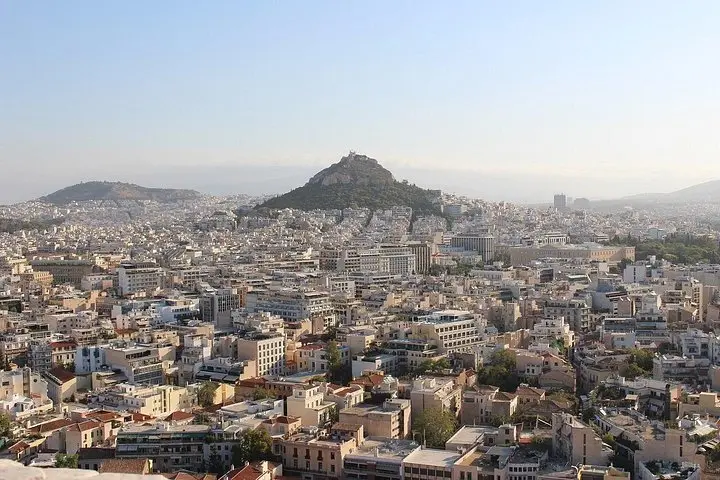
You arrive in Athens and the city loosens its hold as the road bends south toward a coast of windswept capes and low limestone ridges. By late afternoon the marble columns of the Temple of Poseidon at Cape Sounio stand against a wide, wind-cut sky; the sea seems to dare you to follow it farther.
You arrive in Athens and the city loosens its hold as the road bends south toward a coast of windswept capes and low limestone ridges. By late afternoon the marble columns of the Temple of Poseidon at Cape Sounio stand against a wide, wind-cut sky; the sea seems to dare you to follow it farther.
Over three days the route stitches together classical milestones: the narrow cut of the Corinth Canal that cleaves sea from sea, the near-perfect acoustics of Epidaurus’ theatre, the cyclopean walls and shaft-tombs at Mycenae, and finally the broad olive plain that cradles Olympia’s stadium and ruined temples. Geology here is simple and honest—limestone plateaus, alluvial plains, and coastal promontories that defined ancient travel and settlement patterns.
Culturally the tour traces civic and religious life: sanctuaries, healing centres, and the birthplace of the Panhellenic games. Local towns—Nafplio and small Argolic villages—offer working harbours, mezedes, and quiet streets where modern life rubs against antiquity.
Practicalities: this is a coach-based, low-impact tour with short on-site walks on uneven stone and low staircases. Expect 2–4 hours driving stretches between stops; bring sun protection and comfortable walking shoes. Mornings are best for fragile monuments and to avoid the heat; take water, a light layer for coastal breezes, and a small daypack for camera and snacks.
This itinerary is ideal for curious travelers who want concentrated access to key classical sites without intensive hiking—the landscape invites quiet observation and steady, manageable exploration.