THE ADVENTURE COLLECTIVE® · Independent discovery and booking for outdoor travel

A short, family-friendly trek from Pokhara that delivers sunrise panoramas of the Annapurna and Dhaulagiri ranges. Three days of teahouse nights, manageable trails, and close cultural encounters with Gurung and Magar villages.
A short, family-friendly trek from Pokhara that delivers sunrise panoramas of the Annapurna and Dhaulagiri ranges. Three days of teahouse nights, manageable trails, and close cultural encounters with Gurung and Magar villages.
Dawn arrives like a slow exhale over the Annapurna front as you climb from Kande toward Australian Camp. Low clouds lift off terraced fields, and the ridge opens to a sudden panorama: Dhaulagiri and Annapurna I catching the first light. Paths here are honest—stone steps, dirt tracks, and occasional forest shade that cools your breath.
Verified experiences and guided adventures in the surrounding area.
Operated by Worldwide Tourism Inc - Highly Recommended Travel Company · Pokhara, Gandaki Province
Dawn arrives like a slow exhale over the Annapurna front as you climb from Kande toward Australian Camp. Low clouds lift off terraced fields, and the ridge opens to a sudden panorama: Dhaulagiri and Annapurna I catching the first light. Paths here are honest—stone steps, dirt tracks, and occasional forest shade that cools your breath.
This short trek sits on the southern foothills of the Annapurna range, an area shaped by active uplift and river-carved valleys; the ridgelines offer sweeping views because the massif rises abruptly behind them. The human story here is recent and lived: Gurung and Magar villages dot the route, their teahouses and prayer flags reflecting a culture long tied to hill agriculture and seasonal migration.
Expect practical comforts rather than backcountry solitude. Nights are spent in family-run guesthouses with simple meals and warm hospitality. Morning light on the peaks is the main event—plan to be awake for it.
Trail conditions are moderate: daily ascents and descents on well-trodden trails, roughly 3–5 hours of walking per day. Terrain includes stone staircases, forest tracks and terraced farmland; elevation changes are steady but not extreme, making this suitable for families and beginner trekkers.
Bring layered clothing, a daypack, water and sturdy footwear; start early to avoid midday heat and to secure the best sunrise views. Respect local customs in villages, carry out any waste you bring in, and hire local guides to support the community and stay safe. The reward is compact: three days of Himalayan panoramas, living culture, and the kind of easy-achievement that makes the mountains feel within reach.
The route is considered easy with short daily stages; children and active seniors can usually manage with regular breaks and a steady pace.
Guesthouses are basic but clean, offering simple rooms, shared bathrooms in some places, and home-cooked meals—expect rustic charm rather than luxury.
No special acclimatization is typically required because daily elevations stay moderate, but monitor for any symptoms if you have prior altitude sensitivity.
Not strictly, but a local guide improves navigation, cultural interpretation, and logistics, and is recommended for private family groups.
Worldwide Tourism Inc - Highly Recommended Travel Company operates guided outdoor trips and adventures with an emphasis on safety, stewardship, and memorable experiences.
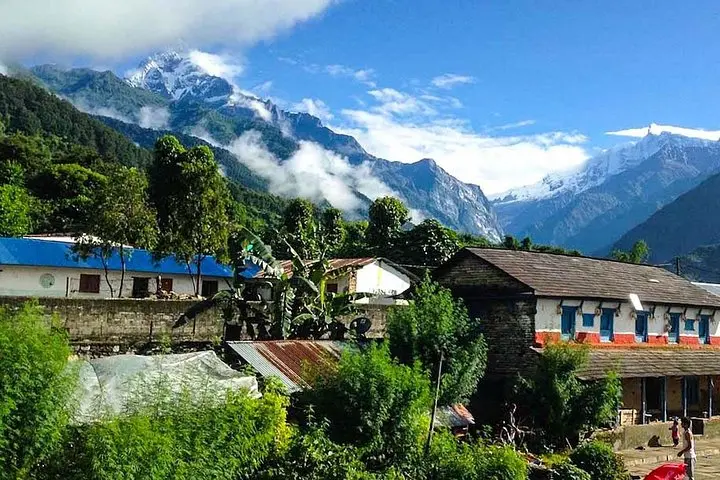
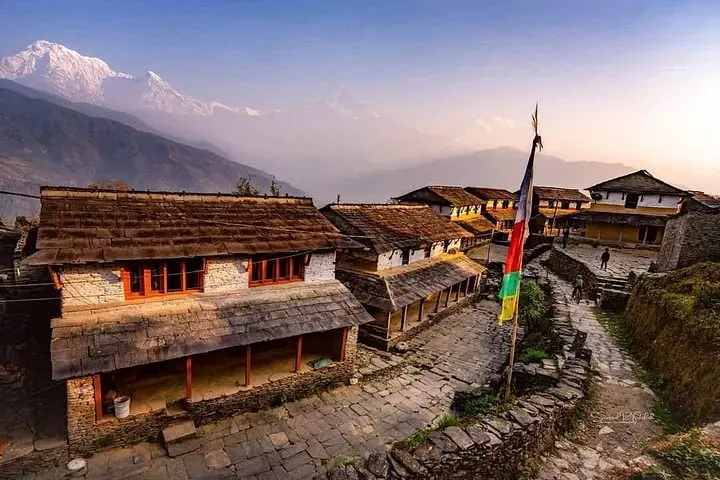
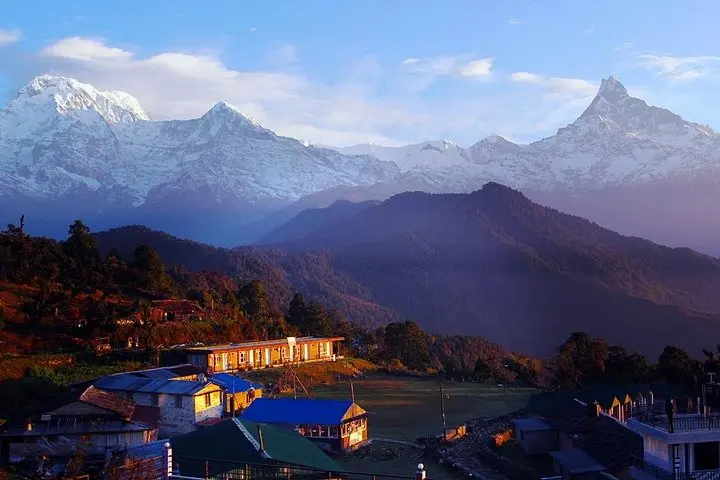
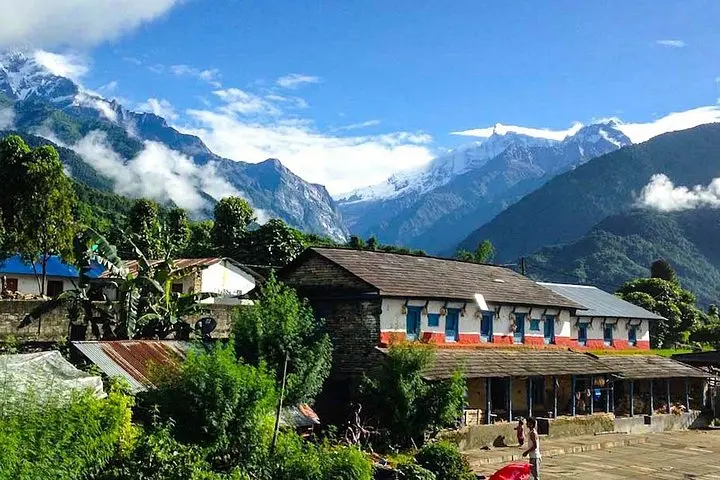
Dawn arrives like a slow exhale over the Annapurna front as you climb from Kande toward Australian Camp. Low clouds lift off terraced fields, and the ridge opens to a sudden panorama: Dhaulagiri and Annapurna I catching the first light. Paths here are honest—stone steps, dirt tracks, and occasional forest shade that cools your breath.
Dawn arrives like a slow exhale over the Annapurna front as you climb from Kande toward Australian Camp. Low clouds lift off terraced fields, and the ridge opens to a sudden panorama: Dhaulagiri and Annapurna I catching the first light. Paths here are honest—stone steps, dirt tracks, and occasional forest shade that cools your breath.
This short trek sits on the southern foothills of the Annapurna range, an area shaped by active uplift and river-carved valleys; the ridgelines offer sweeping views because the massif rises abruptly behind them. The human story here is recent and lived: Gurung and Magar villages dot the route, their teahouses and prayer flags reflecting a culture long tied to hill agriculture and seasonal migration.
Expect practical comforts rather than backcountry solitude. Nights are spent in family-run guesthouses with simple meals and warm hospitality. Morning light on the peaks is the main event—plan to be awake for it.
Trail conditions are moderate: daily ascents and descents on well-trodden trails, roughly 3–5 hours of walking per day. Terrain includes stone staircases, forest tracks and terraced farmland; elevation changes are steady but not extreme, making this suitable for families and beginner trekkers.
Bring layered clothing, a daypack, water and sturdy footwear; start early to avoid midday heat and to secure the best sunrise views. Respect local customs in villages, carry out any waste you bring in, and hire local guides to support the community and stay safe. The reward is compact: three days of Himalayan panoramas, living culture, and the kind of easy-achievement that makes the mountains feel within reach.