THE ADVENTURE COLLECTIVE® · Independent discovery and booking for outdoor travel

A concise 3-day private safari from Arusha that pairs Tarangire’s elephant-rich plains with the concentrated wildlife of Ngorongoro Crater. Ideal for travelers seeking high-value game viewing on a budget, with private guiding and early starts.
A concise 3-day private safari from Arusha that pairs Tarangire’s elephant-rich plains with the concentrated wildlife of Ngorongoro Crater. Ideal for travelers seeking high-value game viewing on a budget, with private guiding and early starts.
You step from the Land Cruiser into a landscape that feels older than the clock—baobabs casting long shadows as a family of elephants moves deliberately through dry grass.
Verified experiences and guided adventures in the surrounding area.
Operated by Fahamu Safaris · Arusha, Arusha Region
You step from the Land Cruiser into a landscape that feels older than the clock—baobabs casting long shadows as a family of elephants moves deliberately through dry grass.
Daybreak in Tarangire often means elephant herds materializing from tall stands of acacia; dust lifts, trunks probe for salt, and the park’s open plains reveal lion tracks between scattered baobabs. The next morning the road climbs into highland country and you stand on the rim of Ngorongoro Crater, looking down 600 meters into a self-contained valley where water and grazing attract dense, year-round wildlife.
Geology and history here are raw and readable: Ngorongoro is the remnant of a giant collapsed volcano; Tarangire’s sandy soils and ancient baobabs reflect a drier, seasonal ecosystem. The Maasai people have grazed cattle on the crater rim for generations, and their culture remains visible in the landscape and nearby villages.
Practical guidance: this private, budget-friendly 3-day route runs from Arusha with early starts, long but mostly unpaved drives, and full-day game drives in both parks. Ngorongoro admission is noted as included on the itinerary—confirm Tarangire fees and vehicle arrangements with your operator. Expect dusty conditions, sun exposure, and wildlife viewing from the vehicle; walking is minimal.
Pack layered clothing for warm days and cool mornings, binoculars, a camera with a good zoom, and malaria prophylaxis advice from your doctor. Time your visit for the dry season (June–October) for clearer roads and concentrated game, but each season has distinct viewing advantages.
According to the itinerary, Ngorongoro Crater admission is included; confirm Tarangire entrance fees and any additional conservation levies with your operator before travel.
Expect roughly 1.5–2.5 hours to Tarangire from Arusha and about 3–4 hours to Ngorongoro Conservation Area depending on traffic and road conditions.
Yes—accommodations listed are budget to mid-range, often simple camps or lodges with essential services; check rooming and bathroom arrangements when booking.
Travelers should consult a travel clinic for recommended vaccinations and malaria prophylaxis for northern Tanzania well before departure.
Fahamu Safaris operates guided outdoor trips and adventures with an emphasis on safety, stewardship, and memorable experiences.
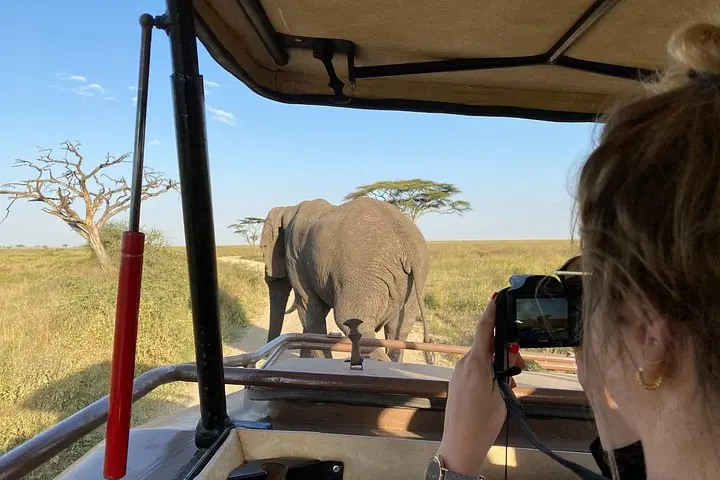
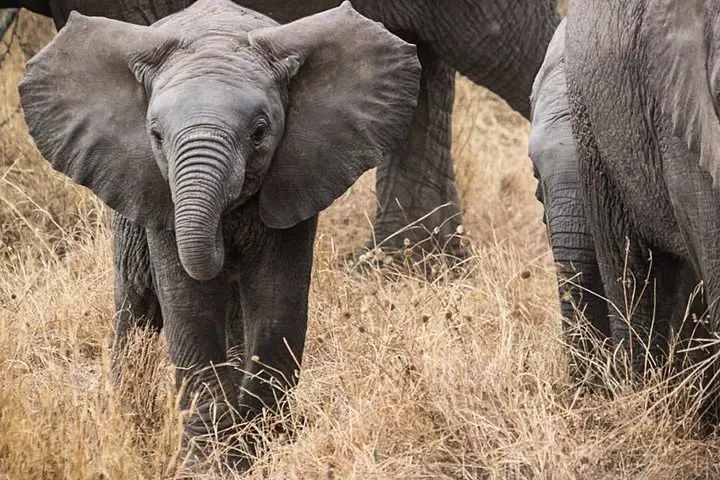
You step from the Land Cruiser into a landscape that feels older than the clock—baobabs casting long shadows as a family of elephants moves deliberately through dry grass.
You step from the Land Cruiser into a landscape that feels older than the clock—baobabs casting long shadows as a family of elephants moves deliberately through dry grass.
Daybreak in Tarangire often means elephant herds materializing from tall stands of acacia; dust lifts, trunks probe for salt, and the park’s open plains reveal lion tracks between scattered baobabs. The next morning the road climbs into highland country and you stand on the rim of Ngorongoro Crater, looking down 600 meters into a self-contained valley where water and grazing attract dense, year-round wildlife.
Geology and history here are raw and readable: Ngorongoro is the remnant of a giant collapsed volcano; Tarangire’s sandy soils and ancient baobabs reflect a drier, seasonal ecosystem. The Maasai people have grazed cattle on the crater rim for generations, and their culture remains visible in the landscape and nearby villages.
Practical guidance: this private, budget-friendly 3-day route runs from Arusha with early starts, long but mostly unpaved drives, and full-day game drives in both parks. Ngorongoro admission is noted as included on the itinerary—confirm Tarangire fees and vehicle arrangements with your operator. Expect dusty conditions, sun exposure, and wildlife viewing from the vehicle; walking is minimal.
Pack layered clothing for warm days and cool mornings, binoculars, a camera with a good zoom, and malaria prophylaxis advice from your doctor. Time your visit for the dry season (June–October) for clearer roads and concentrated game, but each season has distinct viewing advantages.