THE ADVENTURE COLLECTIVE® · Independent discovery and booking for outdoor travel

Three days in Cappadocia moves beyond the postcard: underground cities, cave churches with 12th-century frescoes, and hikes through canyons where fairy chimneys stand like stone guardians. This private tour mixes UNESCO highlights with off-track villages and local encounters.
Three days in Cappadocia moves beyond the postcard: underground cities, cave churches with 12th-century frescoes, and hikes through canyons where fairy chimneys stand like stone guardians. This private tour mixes UNESCO highlights with off-track villages and local encounters.
The sun slides up over a field of carved stone and the valley exhales. Columns of soft tuff catch the light—some thin as candles, others topped with darker caps that seem to balance by will. You step from a Mercedes Sprinter into a landscape that has been shaped by volcanoes, weather and human hands for millennia: fairy chimneys, cave churches and narrow canyon trails that dare you to lean in and explore.
Verified experiences and guided adventures in the surrounding area.
Operated by Pupa Travel · Göreme, Nevşehir
The sun slides up over a field of carved stone and the valley exhales. Columns of soft tuff catch the light—some thin as candles, others topped with darker caps that seem to balance by will. You step from a Mercedes Sprinter into a landscape that has been shaped by volcanoes, weather and human hands for millennia: fairy chimneys, cave churches and narrow canyon trails that dare you to lean in and explore.
Cappadocia’s story reads like layers of earth and empire. Thirty million years of eruptions from Erciyes and Hasan mountains deposited ash that became tuff, a soft rock sculpted by wind and rain into conical chimneys and honeycombed plateaus. Human history is written into that stone—Hittites left early marks, Byzantine monks carved churches and painted frescoes in the 10th–12th centuries, and generations later communities tunneled downward into cities like Kaymaklı to shelter from invaders.
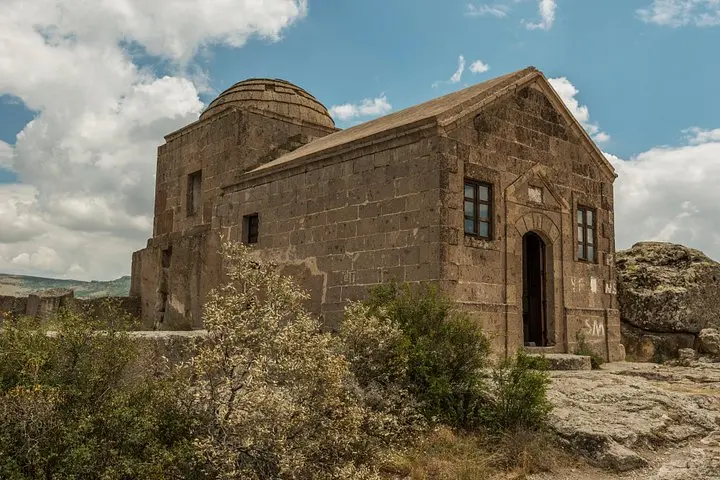
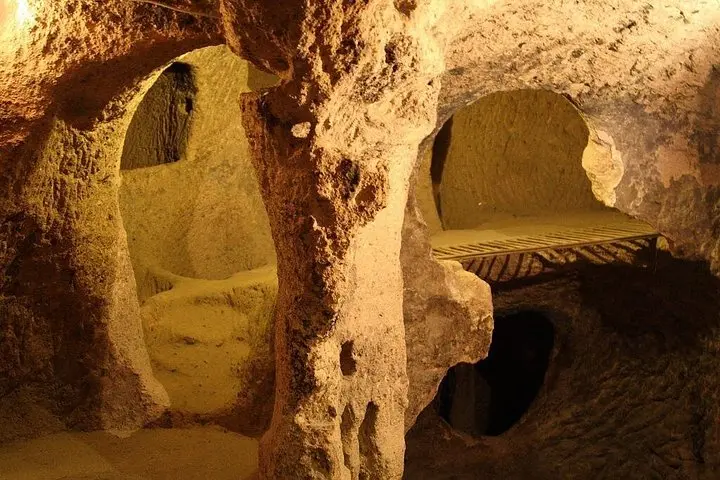
This private, three-day itinerary threads together two UNESCO-listed landscapes (Göreme and Zelve) and quieter places off the main route: Kaymaklı Underground City, Pasabag’s dramatic hoodoos, the monastic ruins in Soganlı and the rediscovered mosaics of Sobesos. You’ll move at a measured pace—short hikes of roughly 4–6 km per day, brief canyon walks with loose scree and stepped stone, and stair-and-tunnel sections in underground chambers where ceiling heights drop and the air cools. Elevation changes are modest (expect 50–250 m), but confined spaces and uneven rock require steady footing.
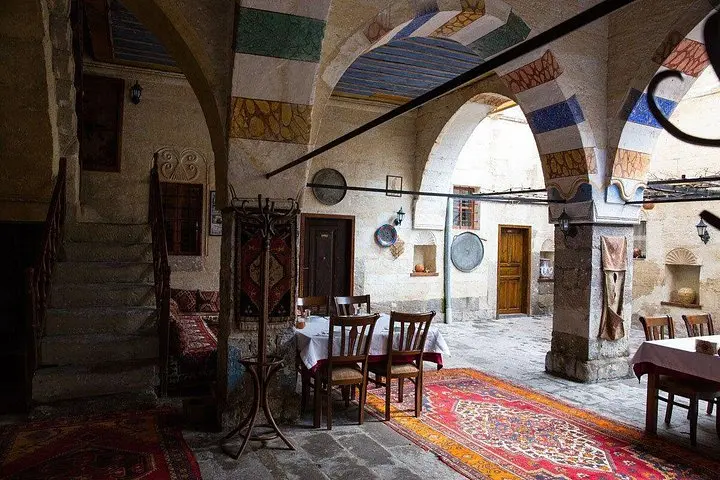
Culture appears in small moments: a pottery studio in Avanos, pigeonhouses etched into valley walls, a stone café where locals trade news. Guides translate fresco iconography, explain local survival techniques used for centuries, and position each stop in geological and social context.
Practical edge: admission fees and private guiding are included, and hotel pickup across Cappadocia is standard. Wear sturdy shoes with good traction, bring 1.5–2 liters of water per day, and layer—temperatures swing from cold mornings to hot afternoons. If you’re claustrophobic, note the underground city has narrow tunnels and low ceilings; the operator flags that the tour isn’t recommended for pregnant travelers or those with serious back or heart conditions.
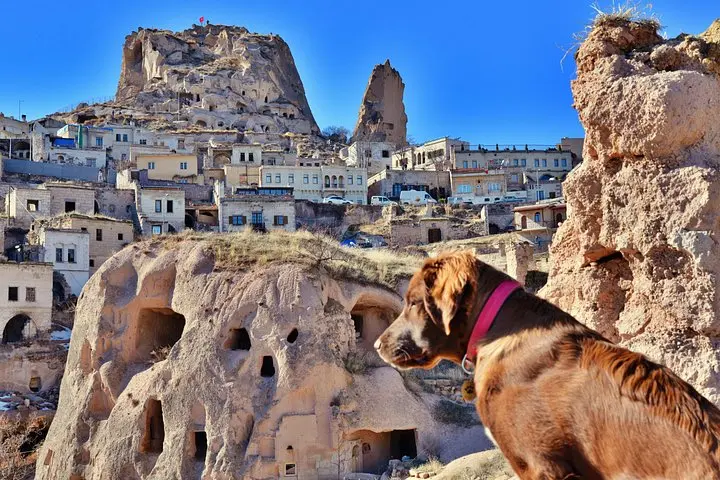
Timing matters: arrive early at popular viewpoints like Uchisar and Pigeon Valley to avoid crowds and capture the best light. A private tour means you can tweak the itinerary—ask to extend time at a lesser-known monastery or to stop at a local bakery. The landscape is durable but vulnerable; stay on trails, don’t chisel or remove stone, and support local crafts and conservation efforts when you can.
Three days here don’t exhaust Cappadocia, but they give you a layered view—geology pushing forward, history folded into the rock and villages that still live within the soft stone’s long shadow.
No — balloon rides are a separate activity; this private tour focuses on ground-based sites and local villages.
Yes — all admission fees to listed sites and museums are included in the tour price.
Yes — the operator offers pickup from anywhere in Cappadocia and asks to be ready about 30 minutes before departure.
Children can join; infant seats are available, but underground tunnels and stairs may be challenging for small children.
Vegetarian options are available; advise the operator at booking for other dietary needs.
Not recommended for travelers with spinal injuries or serious heart conditions; many stops include stairs, uneven ground and confined spaces.
Pupa Travel operates guided outdoor trips and adventures with an emphasis on safety, stewardship, and memorable experiences.
The sun slides up over a field of carved stone and the valley exhales. Columns of soft tuff catch the light—some thin as candles, others topped with darker caps that seem to balance by will. You step from a Mercedes Sprinter into a landscape that has been shaped by volcanoes, weather and human hands for millennia: fairy chimneys, cave churches and narrow canyon trails that dare you to lean in and explore.
The sun slides up over a field of carved stone and the valley exhales. Columns of soft tuff catch the light—some thin as candles, others topped with darker caps that seem to balance by will. You step from a Mercedes Sprinter into a landscape that has been shaped by volcanoes, weather and human hands for millennia: fairy chimneys, cave churches and narrow canyon trails that dare you to lean in and explore.
Cappadocia’s story reads like layers of earth and empire. Thirty million years of eruptions from Erciyes and Hasan mountains deposited ash that became tuff, a soft rock sculpted by wind and rain into conical chimneys and honeycombed plateaus. Human history is written into that stone—Hittites left early marks, Byzantine monks carved churches and painted frescoes in the 10th–12th centuries, and generations later communities tunneled downward into cities like Kaymaklı to shelter from invaders.
This private, three-day itinerary threads together two UNESCO-listed landscapes (Göreme and Zelve) and quieter places off the main route: Kaymaklı Underground City, Pasabag’s dramatic hoodoos, the monastic ruins in Soganlı and the rediscovered mosaics of Sobesos. You’ll move at a measured pace—short hikes of roughly 4–6 km per day, brief canyon walks with loose scree and stepped stone, and stair-and-tunnel sections in underground chambers where ceiling heights drop and the air cools. Elevation changes are modest (expect 50–250 m), but confined spaces and uneven rock require steady footing.
Culture appears in small moments: a pottery studio in Avanos, pigeonhouses etched into valley walls, a stone café where locals trade news. Guides translate fresco iconography, explain local survival techniques used for centuries, and position each stop in geological and social context.
Practical edge: admission fees and private guiding are included, and hotel pickup across Cappadocia is standard. Wear sturdy shoes with good traction, bring 1.5–2 liters of water per day, and layer—temperatures swing from cold mornings to hot afternoons. If you’re claustrophobic, note the underground city has narrow tunnels and low ceilings; the operator flags that the tour isn’t recommended for pregnant travelers or those with serious back or heart conditions.
Timing matters: arrive early at popular viewpoints like Uchisar and Pigeon Valley to avoid crowds and capture the best light. A private tour means you can tweak the itinerary—ask to extend time at a lesser-known monastery or to stop at a local bakery. The landscape is durable but vulnerable; stay on trails, don’t chisel or remove stone, and support local crafts and conservation efforts when you can.
Three days here don’t exhaust Cappadocia, but they give you a layered view—geology pushing forward, history folded into the rock and villages that still live within the soft stone’s long shadow.