THE ADVENTURE COLLECTIVE® · Independent discovery and booking for outdoor travel

Move from Soviet plazas in Tashkent to the blue-tiled heart of Samarkand and the compact bazaars of Bukhara on a three-day private tour. Expect high-speed trains, hands-on cultural workshops, and intensive walking through UNESCO-listed streets.
Move from Soviet plazas in Tashkent to the blue-tiled heart of Samarkand and the compact bazaars of Bukhara on a three-day private tour. Expect high-speed trains, hands-on cultural workshops, and intensive walking through UNESCO-listed streets.
You arrive into Tashkent at dawn; the city hums with tram clacks and the distant silhouette of a TV tower. A local guide meets you, and within hours you’ve moved from Soviet-era plazas to blue-tiled mausoleums that catch the sun like glazed pottery.
Verified experiences and guided adventures in the surrounding area.
Operated by Nomad Tours · Tashkent, Tashkent Region
You arrive into Tashkent at dawn; the city hums with tram clacks and the distant silhouette of a TV tower. A local guide meets you, and within hours you’ve moved from Soviet-era plazas to blue-tiled mausoleums that catch the sun like glazed pottery.
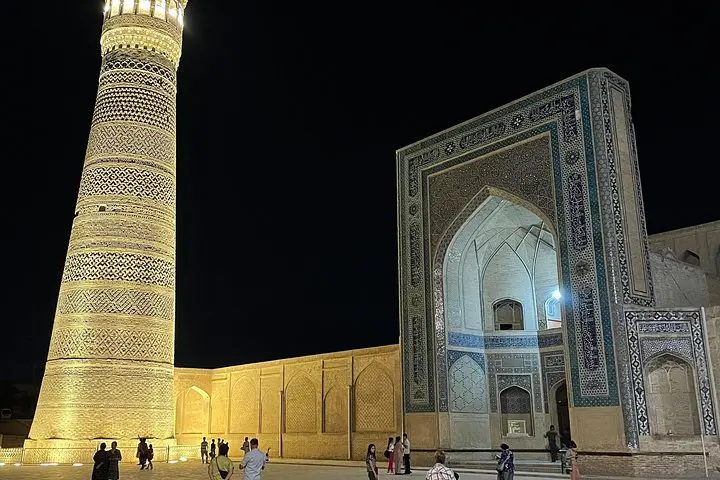
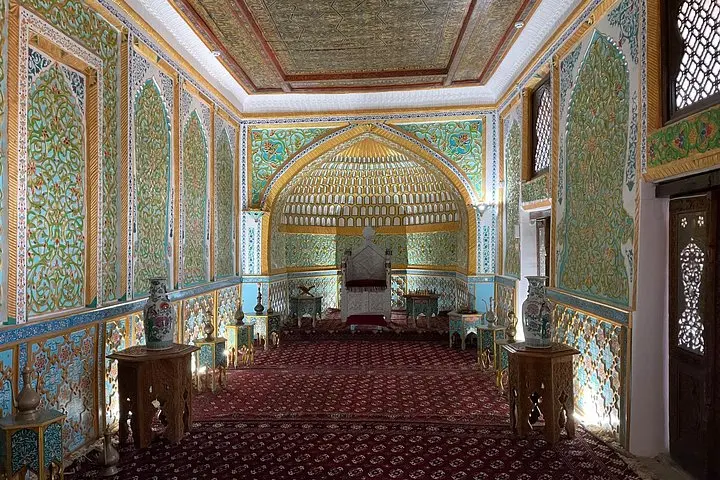
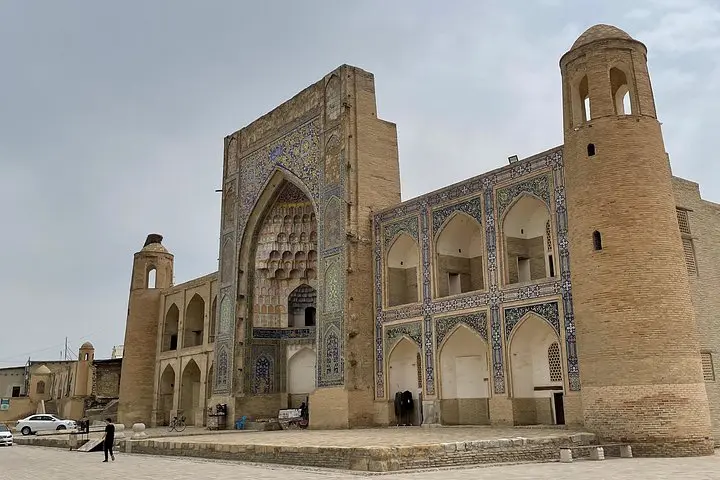
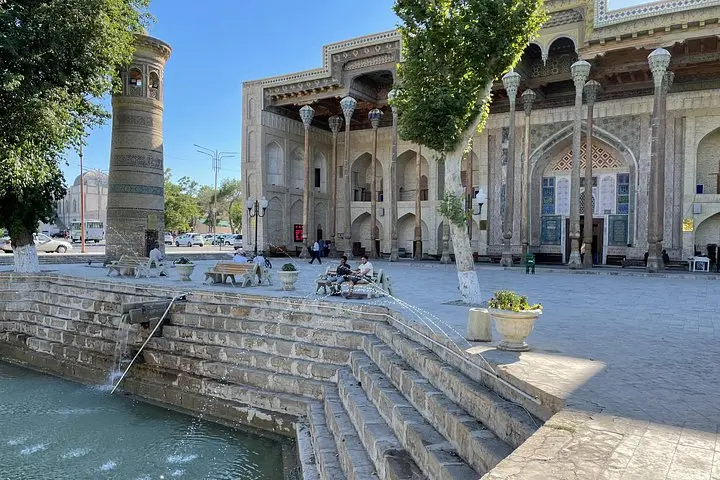
By day two the high-speed train slices across steppe toward Samarkand, where Registan’s mosaics hold the gaze of centuries. Stones here remember caravan wheels and the strategies of Timur’s engineers; the city itself sits on sedimentary terraces that once funneled Silk Road traffic. Bukhara follows with its compact old town—mud-brick lanes, domed markets, and a quiet complex of madrasahs where craftsmen still beat silk paper by hand.
This is a cultural route as much as a landscape one: expect tile-making demonstrations, a pilaf cooking class, and traditional dance performances. Geology is subtle but present—the fertile Zeravshan basin sustained trade and agriculture; the surrounding arid plains shaped caravan routes and market towns.
Practical guidance: the tour is intensive and moves by train and car across three days, so pack light and accept early pickups. Bring comfortable walking shoes for uneven cobbles, sun protection for long, exposed courtyards, and a daypack for water and snacks. Cash (Uzbek som) is useful for small purchases; modest dress speeds entry to religious sites. Allow flexibility for train schedules and check museum opening times in advance. With a moderate level of fitness and respect for local customs, this compact itinerary delivers dense, memorable slices of Uzbek history and daily life.
The itinerary uses high-speed trains between cities and transportation is included as part of the tour, but double-check timing and seat classes with the operator.
Admissions are typically handled locally; confirm with the operator whether specific museum fees are included or paid on-site.
Professional guides usually speak English; ask when booking if you need another language to be available.
Not recommended for those with significant mobility limits—sites feature uneven ground and stairs, and the schedule is active.
Nomad Tours operates guided outdoor trips and adventures with an emphasis on safety, stewardship, and memorable experiences.
You arrive into Tashkent at dawn; the city hums with tram clacks and the distant silhouette of a TV tower. A local guide meets you, and within hours you’ve moved from Soviet-era plazas to blue-tiled mausoleums that catch the sun like glazed pottery.
You arrive into Tashkent at dawn; the city hums with tram clacks and the distant silhouette of a TV tower. A local guide meets you, and within hours you’ve moved from Soviet-era plazas to blue-tiled mausoleums that catch the sun like glazed pottery.
By day two the high-speed train slices across steppe toward Samarkand, where Registan’s mosaics hold the gaze of centuries. Stones here remember caravan wheels and the strategies of Timur’s engineers; the city itself sits on sedimentary terraces that once funneled Silk Road traffic. Bukhara follows with its compact old town—mud-brick lanes, domed markets, and a quiet complex of madrasahs where craftsmen still beat silk paper by hand.
This is a cultural route as much as a landscape one: expect tile-making demonstrations, a pilaf cooking class, and traditional dance performances. Geology is subtle but present—the fertile Zeravshan basin sustained trade and agriculture; the surrounding arid plains shaped caravan routes and market towns.
Practical guidance: the tour is intensive and moves by train and car across three days, so pack light and accept early pickups. Bring comfortable walking shoes for uneven cobbles, sun protection for long, exposed courtyards, and a daypack for water and snacks. Cash (Uzbek som) is useful for small purchases; modest dress speeds entry to religious sites. Allow flexibility for train schedules and check museum opening times in advance. With a moderate level of fitness and respect for local customs, this compact itinerary delivers dense, memorable slices of Uzbek history and daily life.