THE ADVENTURE COLLECTIVE® · Independent discovery and booking for outdoor travel

See Delhi, Agra and Jaipur in three days with a private guide and A/C transport. Expect sunrise at the Taj, evening bazaars in Jaipur and concentrated walking windows paired with longer road transfers.
See Delhi, Agra and Jaipur in three days with a private guide and A/C transport. Expect sunrise at the Taj, evening bazaars in Jaipur and concentrated walking windows paired with longer road transfers.
Dawn breaks over the Yamuna as a private car slips out of Delhi, headlights picking out red sandstone and marble domes glinting in the haze.
Verified experiences and guided adventures in the surrounding area.
Operated by BAE Travels · New Delhi, Delhi
Dawn breaks over the Yamuna as a private car slips out of Delhi, headlights picking out red sandstone and marble domes glinting in the haze.
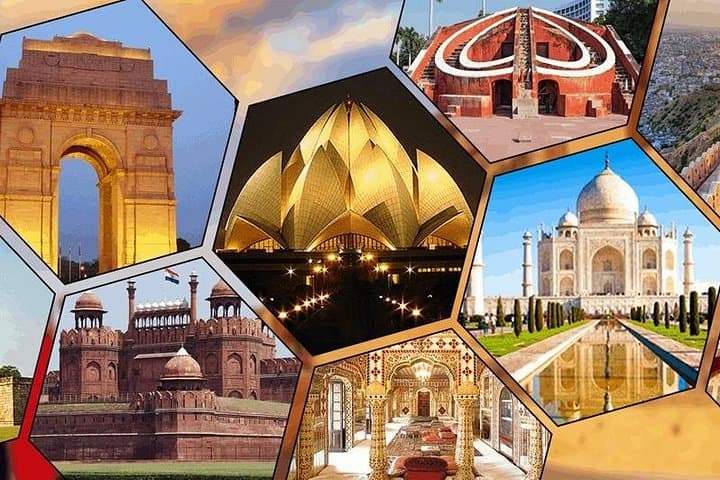
In three compact days the route moves from the planned boulevards of Lutyens' Delhi and the Mughal gardens at Humayun's Tomb to the pearly symmetry of the Taj Mahal at sunrise, then across the Gangetic plain toward the ochre forts and pink facades of Rajasthan. The drive times are part of the journey—Delhi to Agra is roughly 3–4 hours (about 230 km), Agra to Jaipur via Fatehpur Sikri around 4–5 hours—so expect long stretches in an air-conditioned car between concentrated walking windows.
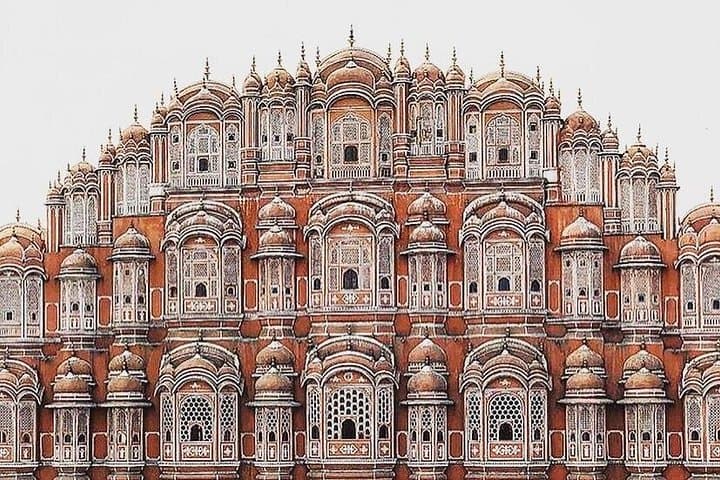
Architectural history dominates: Mughal marble work in Agra, the Rajput forts of Amber and the Hawa Mahal’s jharokhas; colonial-era government buildings in New Delhi show a different scale and stone. The Aravalli foothills give Jaipur its backdrop and the Yamuna shapes Agra’s riverside silhouettes.
Practical rhythm matters here—early mornings for the Taj, mid-morning or late afternoon for forts to avoid noon heat. Footwear should handle cobbled courtyards and short stair sections; modest dress eases temple and palace visits. Carry Indian rupees for small purchases, and factor in the Taj’s Friday closure (itinerary adjustments are common).
This private format compresses logistics so travelers can focus on context: listen for guide stories of emperors and craftsmen, watch street life between monuments, and keep fluids and sun protection ready—the monuments endure; your comfort depends on planning.
The Taj Mahal is closed on Fridays for congregational prayers; operators typically adjust itineraries so you can still visit other sites or swap days.
Pickups are available across Delhi, Noida and Gurugram; at the end you can be dropped at a Delhi hotel, the airport or train station as arranged.
Some sites have limited accessibility due to steps and uneven surfaces; the tour notes wheelchair accessibility but confirm specifics with the operator beforehand for each monument.
Yes—this is offered as a standard plan but can be tailored for timing, additional stops like Fatehpur Sikri, or vehicle upgrades for an extra fee.
BAE Travels operates guided outdoor trips and adventures with an emphasis on safety, stewardship, and memorable experiences.


Dawn breaks over the Yamuna as a private car slips out of Delhi, headlights picking out red sandstone and marble domes glinting in the haze.
Dawn breaks over the Yamuna as a private car slips out of Delhi, headlights picking out red sandstone and marble domes glinting in the haze.
In three compact days the route moves from the planned boulevards of Lutyens' Delhi and the Mughal gardens at Humayun's Tomb to the pearly symmetry of the Taj Mahal at sunrise, then across the Gangetic plain toward the ochre forts and pink facades of Rajasthan. The drive times are part of the journey—Delhi to Agra is roughly 3–4 hours (about 230 km), Agra to Jaipur via Fatehpur Sikri around 4–5 hours—so expect long stretches in an air-conditioned car between concentrated walking windows.
Architectural history dominates: Mughal marble work in Agra, the Rajput forts of Amber and the Hawa Mahal’s jharokhas; colonial-era government buildings in New Delhi show a different scale and stone. The Aravalli foothills give Jaipur its backdrop and the Yamuna shapes Agra’s riverside silhouettes.
Practical rhythm matters here—early mornings for the Taj, mid-morning or late afternoon for forts to avoid noon heat. Footwear should handle cobbled courtyards and short stair sections; modest dress eases temple and palace visits. Carry Indian rupees for small purchases, and factor in the Taj’s Friday closure (itinerary adjustments are common).
This private format compresses logistics so travelers can focus on context: listen for guide stories of emperors and craftsmen, watch street life between monuments, and keep fluids and sun protection ready—the monuments endure; your comfort depends on planning.