THE ADVENTURE COLLECTIVE® · Independent discovery and booking for outdoor travel

Cover Shanghai’s skyline, Beijing’s Forbidden City and the Terracotta Warriors in Xi’an in just three days. This private, air-connected tour packs UNESCO sites, guided history, and efficient transfers into a compact cultural sprint.
Cover Shanghai’s skyline, Beijing’s Forbidden City and the Terracotta Warriors in Xi’an in just three days. This private, air-connected tour packs UNESCO sites, guided history, and efficient transfers into a compact cultural sprint.
You step out of Chongqing’s humid airport and, within hours, the cityscapes of three Chinese megacities roll beneath you: glass towers and the Huangpu’s current in Shanghai, the vast courtyards of Beijing’s Forbidden City, and the quiet rows of terracotta soldiers in Xi'an. The trip moves fast—flights stitch the itinerary together—so each stop feels like a sequence of cinematic chapters rather than a single story.
Verified experiences and guided adventures in the surrounding area.
Operated by Unique Beijing Tours · Chongqing, Chongqing
You step out of Chongqing’s humid airport and, within hours, the cityscapes of three Chinese megacities roll beneath you: glass towers and the Huangpu’s current in Shanghai, the vast courtyards of Beijing’s Forbidden City, and the quiet rows of terracotta soldiers in Xi'an. The trip moves fast—flights stitch the itinerary together—so each stop feels like a sequence of cinematic chapters rather than a single story.
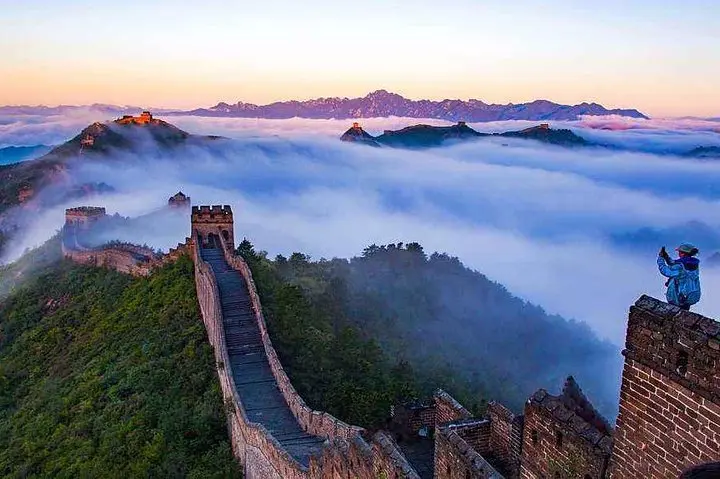
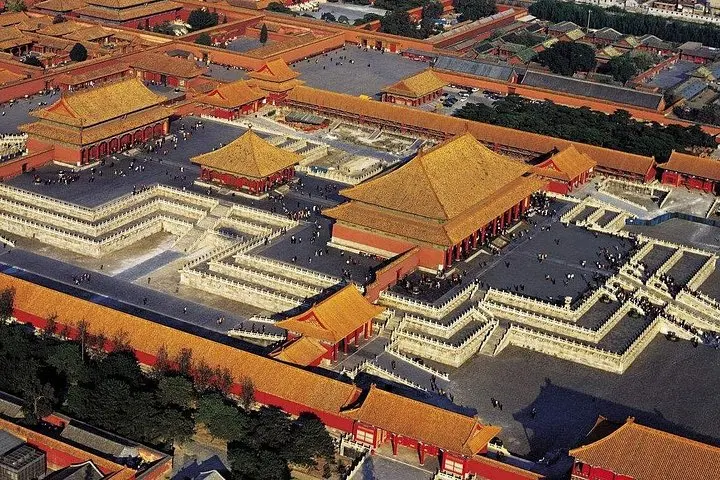
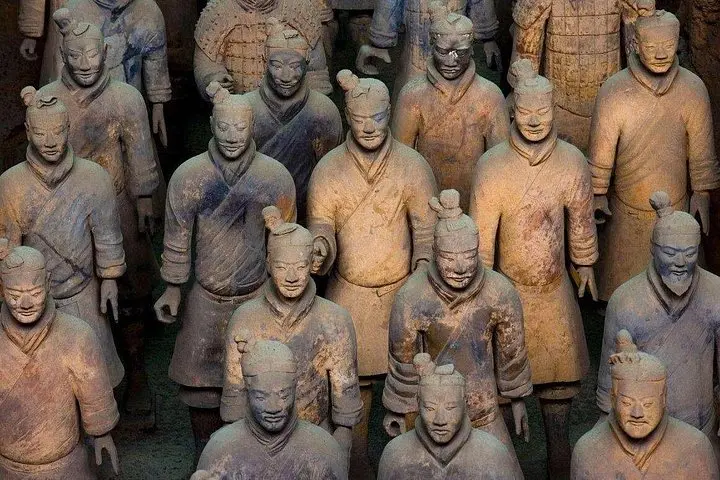
Historically this loop threads imperial power and ancient craft: the Forbidden City was home to Ming and Qing emperors for five centuries; Qin’s Terracotta Army was discovered in 1974 and still guards the mausoleum of China’s first emperor; and the Great Wall at Mutianyu presents a forested, less crowded stretch of the wall built and rebuilt across dynasties.
Geology and city form are visible too: the Huangpu River pushes Shanghai’s skyline outward, Beijing sits on a flat plain ringed by mountains where the wall ascends, and Xi'an marks the fertile Wei River basin that supported early statecraft.
Practical guidance matters here: expect multiple short flights, hotel transfers, and guided walking tours—some stair climbing at palaces and the wall. Bring comfortable shoes, a compact daypack, and a charged phone for photos and mobile boarding passes. Time your Mutianyu visit for morning light and lower crowds; use local guides to skip lines and understand context. The pace is energetic and curated—ideal for travelers who want concentrated access to China's defining cultural sites in three focused days.
Yes. The itinerary allows you to finish in Beijing, Xi’an, Shanghai or return to Chongqing—confirm your preferred drop-off when booking.
Yes; economy plane tickets between cities and listed attraction entrance fees are included in the tour package.
The tour is rated easy for general fitness and can accommodate strollers and infants, but some sites require stair climbing and uneven walking—discuss mobility needs when booking.
Mutianyu involves short hikes between watchtowers and many steps; cable car and toboggan options reduce walking if preferred.
Unique Beijing Tours operates guided outdoor trips and adventures with an emphasis on safety, stewardship, and memorable experiences.
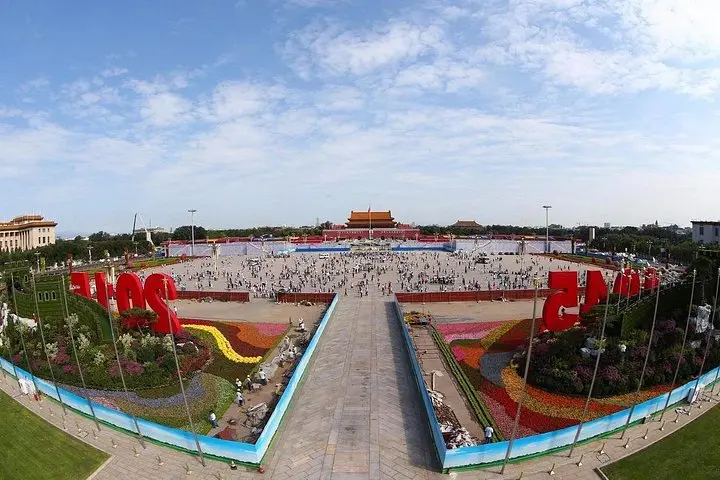
You step out of Chongqing’s humid airport and, within hours, the cityscapes of three Chinese megacities roll beneath you: glass towers and the Huangpu’s current in Shanghai, the vast courtyards of Beijing’s Forbidden City, and the quiet rows of terracotta soldiers in Xi'an. The trip moves fast—flights stitch the itinerary together—so each stop feels like a sequence of cinematic chapters rather than a single story.
You step out of Chongqing’s humid airport and, within hours, the cityscapes of three Chinese megacities roll beneath you: glass towers and the Huangpu’s current in Shanghai, the vast courtyards of Beijing’s Forbidden City, and the quiet rows of terracotta soldiers in Xi'an. The trip moves fast—flights stitch the itinerary together—so each stop feels like a sequence of cinematic chapters rather than a single story.
Historically this loop threads imperial power and ancient craft: the Forbidden City was home to Ming and Qing emperors for five centuries; Qin’s Terracotta Army was discovered in 1974 and still guards the mausoleum of China’s first emperor; and the Great Wall at Mutianyu presents a forested, less crowded stretch of the wall built and rebuilt across dynasties.
Geology and city form are visible too: the Huangpu River pushes Shanghai’s skyline outward, Beijing sits on a flat plain ringed by mountains where the wall ascends, and Xi'an marks the fertile Wei River basin that supported early statecraft.
Practical guidance matters here: expect multiple short flights, hotel transfers, and guided walking tours—some stair climbing at palaces and the wall. Bring comfortable shoes, a compact daypack, and a charged phone for photos and mobile boarding passes. Time your Mutianyu visit for morning light and lower crowds; use local guides to skip lines and understand context. The pace is energetic and curated—ideal for travelers who want concentrated access to China's defining cultural sites in three focused days.