THE ADVENTURE COLLECTIVE® · Independent discovery and booking for outdoor travel

Explore Istria in three days with a private guide—Rovinj’s seaside lanes, Pula’s Roman Arena, coastal swims at Kamenjak and hilltop Motovun with truffle and wine tastings. This curated combo balances cultural sites with coastal nature.
Explore Istria in three days with a private guide—Rovinj’s seaside lanes, Pula’s Roman Arena, coastal swims at Kamenjak and hilltop Motovun with truffle and wine tastings. This curated combo balances cultural sites with coastal nature.
Step off the coast road into a town whose cobbled lanes lean toward the Adriatic — Rovinj’s bell tower watches ferries slip like punctuation on the horizon. Over three days you move from sea-scented promenades to limestone ridgelines, guided through Roman amphitheatres, hilltop fortresses and oak-draped truffle woods.
Verified experiences and guided adventures in the surrounding area.
Operated by Adriatic Private Tours · Rovinj, Istria
Step off the coast road into a town whose cobbled lanes lean toward the Adriatic — Rovinj’s bell tower watches ferries slip like punctuation on the horizon. Over three days you move from sea-scented promenades to limestone ridgelines, guided through Roman amphitheatres, hilltop fortresses and oak-draped truffle woods.
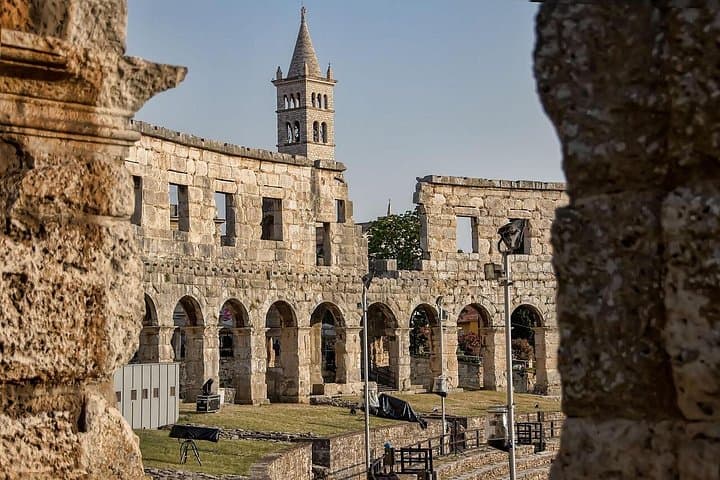
Istria’s coastline is carved from Mesozoic limestone; cliffs and pebble coves give way inland to karst plateaus and fertile valleys where Romans planted olives and Venetians left town plans and masonry. Pula’s Arena and the Temple of Augustus speak to a long coastal trade history; Motovun and Grožnjan preserve medieval layouts and a lively contemporary arts scene. Local culture balances agrarian rhythms — olive oil, wine, and the prized white truffle — with seaside tourism.
Expect short urban walks (cobbles, occasional stairs), brief coastal hikes in Kamenjak National Park, and a moderate uphill approach to Motovun (the hilltop sits near 270 m; allow 100–150 m elevation gain on the approach). Days combine guided walking with private transfers, three lunches, and time to swim, shop, or sample vineyards.
Practical pointers: bring well-broken-in walking shoes for cobbles and terraces, a lightweight daypack, sun protection for exposed coast trails, and a refillable bottle — tap water is potable in most towns. Aim for shoulder seasons (late spring or early fall) to avoid peak heat and cruise crowds. Confirm pickup logistics and any dietary needs before travel; private format makes the pace flexible for photography, tasting, or extra rest stops.
Pickup and drop-off are provided; specify your hotel or preferred meeting point within the booking area—transfers to Pula or Rijeka airports can be arranged.
The itinerary is rated easy and can accommodate most travelers, but medieval streets and steps may be challenging—contact the operator to adjust pacing or request transport assistance.
Three lunches are included; select tastings and certain admissions (like some truffle hunts or private winery tours) may be included as noted—confirm specifics when booking.
Guides are licensed and often speak English; other language requests should be noted at booking and confirmed by the operator.
Adriatic Private Tours operates guided outdoor trips and adventures with an emphasis on safety, stewardship, and memorable experiences.

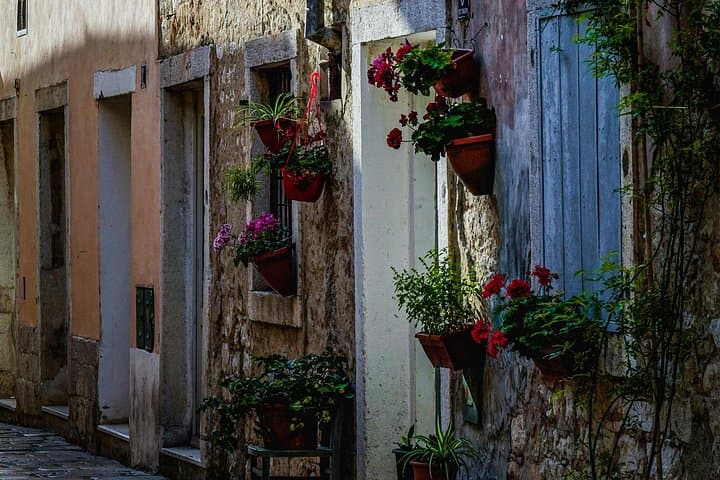
Step off the coast road into a town whose cobbled lanes lean toward the Adriatic — Rovinj’s bell tower watches ferries slip like punctuation on the horizon. Over three days you move from sea-scented promenades to limestone ridgelines, guided through Roman amphitheatres, hilltop fortresses and oak-draped truffle woods.
Step off the coast road into a town whose cobbled lanes lean toward the Adriatic — Rovinj’s bell tower watches ferries slip like punctuation on the horizon. Over three days you move from sea-scented promenades to limestone ridgelines, guided through Roman amphitheatres, hilltop fortresses and oak-draped truffle woods.
Istria’s coastline is carved from Mesozoic limestone; cliffs and pebble coves give way inland to karst plateaus and fertile valleys where Romans planted olives and Venetians left town plans and masonry. Pula’s Arena and the Temple of Augustus speak to a long coastal trade history; Motovun and Grožnjan preserve medieval layouts and a lively contemporary arts scene. Local culture balances agrarian rhythms — olive oil, wine, and the prized white truffle — with seaside tourism.
Expect short urban walks (cobbles, occasional stairs), brief coastal hikes in Kamenjak National Park, and a moderate uphill approach to Motovun (the hilltop sits near 270 m; allow 100–150 m elevation gain on the approach). Days combine guided walking with private transfers, three lunches, and time to swim, shop, or sample vineyards.
Practical pointers: bring well-broken-in walking shoes for cobbles and terraces, a lightweight daypack, sun protection for exposed coast trails, and a refillable bottle — tap water is potable in most towns. Aim for shoulder seasons (late spring or early fall) to avoid peak heat and cruise crowds. Confirm pickup logistics and any dietary needs before travel; private format makes the pace flexible for photography, tasting, or extra rest stops.