THE ADVENTURE COLLECTIVE® · Independent discovery and booking for outdoor travel

Cover Jordan’s headline sites in three private days—Dana Biosphere, Shobak Castle, Petra, Wadi Rum and the Dead Sea—combining archaeology, desert drives and a buoyant float at the lowest point on Earth.
Cover Jordan’s headline sites in three private days—Dana Biosphere, Shobak Castle, Petra, Wadi Rum and the Dead Sea—combining archaeology, desert drives and a buoyant float at the lowest point on Earth.
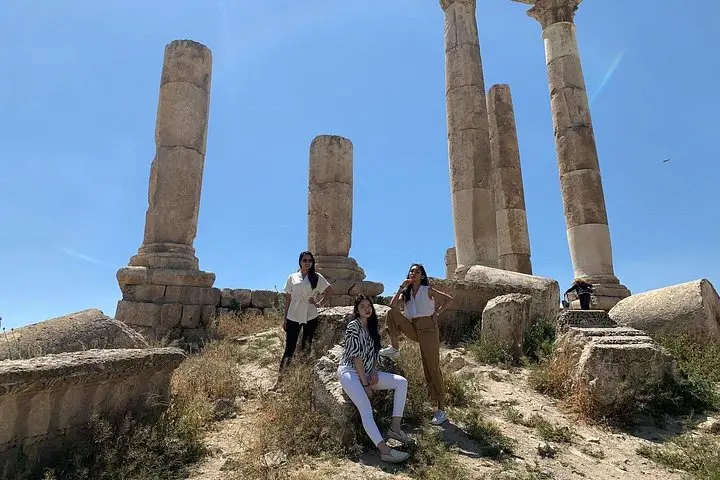
A pale dawn lifts over Amman as a private car threads out of the city toward rock and sand. On day one the road falls away into the broad sweep of the Dana Biosphere Reserve—plateau and canyon trading heat and shade—before a short climb to Shobak Castle where Crusader stone watches the valley. The group moves on to Little Petra, a quieter sibling of the main site, where carved facades and narrow channels cut into the sandstone hush the air.
Verified experiences and guided adventures in the surrounding area.
Operated by Yes Jordan Tours · Amman, Amman Governorate
A pale dawn lifts over Amman as a private car threads out of the city toward rock and sand. On day one the road falls away into the broad sweep of the Dana Biosphere Reserve—plateau and canyon trading heat and shade—before a short climb to Shobak Castle where Crusader stone watches the valley. The group moves on to Little Petra, a quieter sibling of the main site, where carved facades and narrow channels cut into the sandstone hush the air.
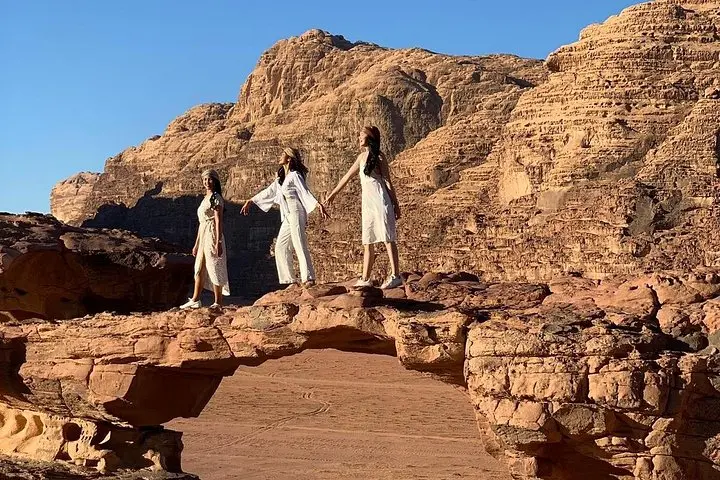
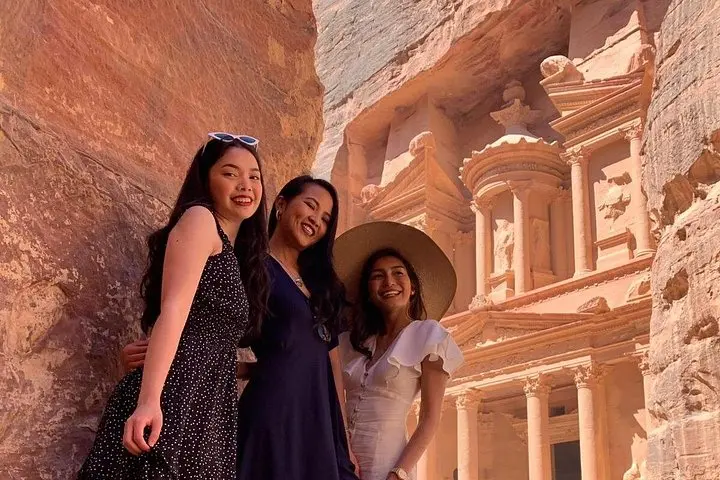
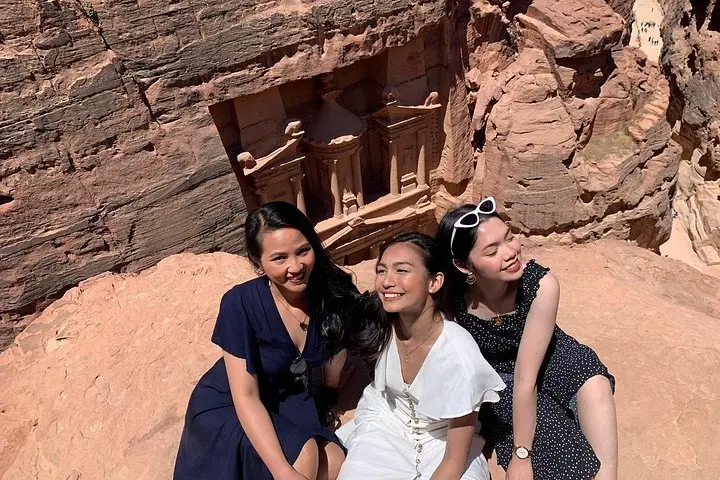
Day two opens early in Petra. The Siq funnels travelers toward Al Khazna’s carved façade; channels and cisterns speak to Nabataean watercraft and engineering. Geology here is loud: banded sandstone, sculpted by wind and flash floods, gives the city its rose tones. Afternoon brings Wadi Rum’s broad desert—sand and sandstone rising like islands—where Bedouin camps offer night under a sky that dares you to count the stars.
The final day slides down to the Dead Sea; saline water buoyant enough to carry the body and heavy enough to leave a mineral film on skin. Cultural threads run through the trip: Nabataean trade routes, Crusader strongholds, and Bedouin hospitality.
Practical guidance: bring sturdy shoes for uneven archaeology and sandals for Dead Sea floats, carry 2–3 liters of water per day, and plan early starts in summer to avoid midday heat. Mobile service exists at towns but is intermittent in reserves and desert; pack a power bank. The tour mixes driving with walking—expect moderate fitness requirements and flexible timing for what you want to linger over.
Many nationalities require a visa; check Jordanian embassy rules in your country and arrange a visa on arrival if eligible or get one in advance for smoother entry.
Expect 3–5 hours of walking over uneven stone paths; distances between key monuments can be long and include steps and narrow gaps.
Avoid floating if you have open cuts or recent shaving; salt will sting and can irritate skin—use showers to rinse the salt off afterwards.
Yes Jordan Tours operates guided outdoor trips and adventures with an emphasis on safety, stewardship, and memorable experiences.
A pale dawn lifts over Amman as a private car threads out of the city toward rock and sand. On day one the road falls away into the broad sweep of the Dana Biosphere Reserve—plateau and canyon trading heat and shade—before a short climb to Shobak Castle where Crusader stone watches the valley. The group moves on to Little Petra, a quieter sibling of the main site, where carved facades and narrow channels cut into the sandstone hush the air.
A pale dawn lifts over Amman as a private car threads out of the city toward rock and sand. On day one the road falls away into the broad sweep of the Dana Biosphere Reserve—plateau and canyon trading heat and shade—before a short climb to Shobak Castle where Crusader stone watches the valley. The group moves on to Little Petra, a quieter sibling of the main site, where carved facades and narrow channels cut into the sandstone hush the air.
Day two opens early in Petra. The Siq funnels travelers toward Al Khazna’s carved façade; channels and cisterns speak to Nabataean watercraft and engineering. Geology here is loud: banded sandstone, sculpted by wind and flash floods, gives the city its rose tones. Afternoon brings Wadi Rum’s broad desert—sand and sandstone rising like islands—where Bedouin camps offer night under a sky that dares you to count the stars.
The final day slides down to the Dead Sea; saline water buoyant enough to carry the body and heavy enough to leave a mineral film on skin. Cultural threads run through the trip: Nabataean trade routes, Crusader strongholds, and Bedouin hospitality.
Practical guidance: bring sturdy shoes for uneven archaeology and sandals for Dead Sea floats, carry 2–3 liters of water per day, and plan early starts in summer to avoid midday heat. Mobile service exists at towns but is intermittent in reserves and desert; pack a power bank. The tour mixes driving with walking—expect moderate fitness requirements and flexible timing for what you want to linger over.