THE ADVENTURE COLLECTIVE® · Independent discovery and booking for outdoor travel

Shoot sweeping tussock plains, abandoned gold‑rush relics and glassy high‑country reservoirs on a private three‑day photography tour from Queenstown. Expect guided instruction, remote vantage points and dramatic light windows at dawn and dusk.
Shoot sweeping tussock plains, abandoned gold‑rush relics and glassy high‑country reservoirs on a private three‑day photography tour from Queenstown. Expect guided instruction, remote vantage points and dramatic light windows at dawn and dusk.
Dawn breaks over a flat, flinty plain and light pours sideways across red tussock—this is Maniototo. On a private three‑day circuit from Queenstown you move through a sequence of austere, cinematic scenes: the Cromwell and Kawarau gorges at first light; rusted miner’s relics at St Bathans, where a blue lake reflects the sky; and the high country reservoirs and sheep stations that stretch to the Hawkdun Range.
Verified experiences and guided adventures in the surrounding area.
Operated by Remarkable Imagery Photography Tours · Ranfurly, Otago
Dawn breaks over a flat, flinty plain and light pours sideways across red tussock—this is Maniototo. On a private three‑day circuit from Queenstown you move through a sequence of austere, cinematic scenes: the Cromwell and Kawarau gorges at first light; rusted miner’s relics at St Bathans, where a blue lake reflects the sky; and the high country reservoirs and sheep stations that stretch to the Hawkdun Range.
The Maniototo’s geology is a record of uplifted schist and glacial carving, with erosion leaving tor‑strewn ridges and broad gravelly basins. The region’s human layer is raw: gold‑rush towns, Chinese sluicings and Edwardian engineering workshops—places like Ophir and the Hayes Engineering Works that show how settlers adapted to a sparse, windy land. The Māori name referencing the plain’s red tussocks hints at seasonal colour and the cultural connections to place.
Practically, expect long photographic windows at sunrise and sunset, short roadside walks to vantage points, and time in small towns for portraits and details. Weather swings quickly—clear blue midday can become wind and sleet by evening—so plan layered clothing, spare batteries, and a sturdy tripod. Guides typically provide transport, local insights and one‑on‑one tuition, plus basic refreshments and a loan tripod.
This tour suits photographers who want concentrated landscape time without the crowds: steady light, expansive skies, and a chance to learn field editing and composition in situ. Respect farm gates, private property and dark‑sky values; the land rewards patience and careful timing more than ambitious hiking.
A tripod is recommended; the tour offers free tripod loan but bringing your own ensures personal preference and setup familiarity.
This private tour departs from Queenstown with pickup options; exact meeting details are provided upon booking and the route returns to Queenstown on day three.
Yes—one‑on‑one tuition is included so beginners with an interest in landscape photography will be supported in camera settings and composition.
Conditions can change quickly; the itinerary may adapt to maximise photographic opportunities and safety, but the operator does not automatically cancel for typical high‑country weather.
Remarkable Imagery Photography Tours operates guided outdoor trips and adventures with an emphasis on safety, stewardship, and memorable experiences.
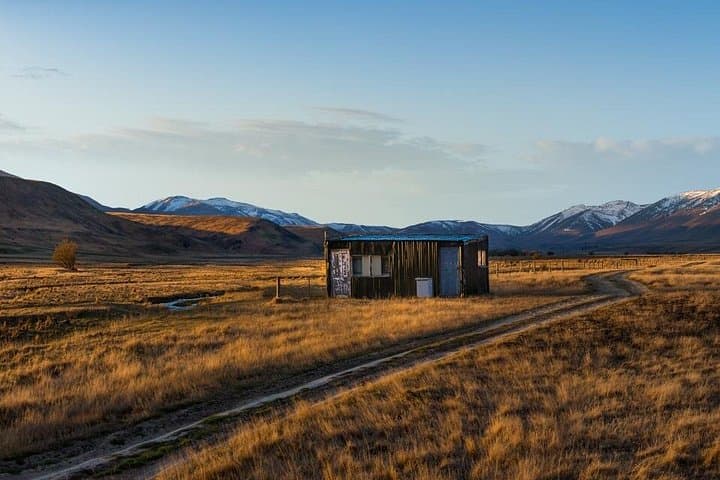

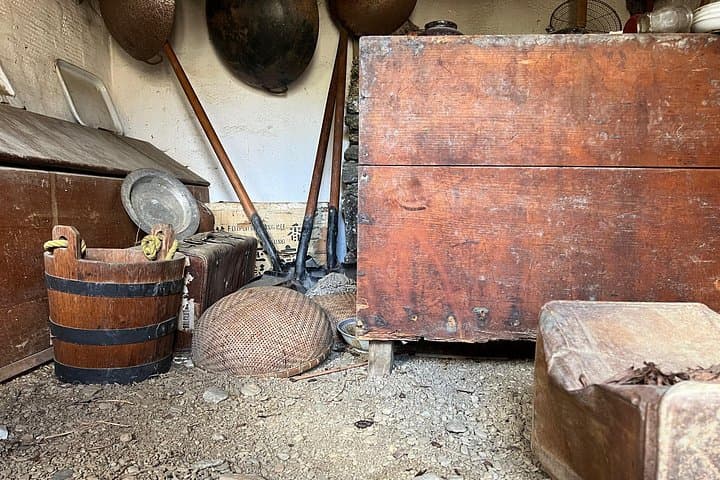

Dawn breaks over a flat, flinty plain and light pours sideways across red tussock—this is Maniototo. On a private three‑day circuit from Queenstown you move through a sequence of austere, cinematic scenes: the Cromwell and Kawarau gorges at first light; rusted miner’s relics at St Bathans, where a blue lake reflects the sky; and the high country reservoirs and sheep stations that stretch to the Hawkdun Range.
Dawn breaks over a flat, flinty plain and light pours sideways across red tussock—this is Maniototo. On a private three‑day circuit from Queenstown you move through a sequence of austere, cinematic scenes: the Cromwell and Kawarau gorges at first light; rusted miner’s relics at St Bathans, where a blue lake reflects the sky; and the high country reservoirs and sheep stations that stretch to the Hawkdun Range.
The Maniototo’s geology is a record of uplifted schist and glacial carving, with erosion leaving tor‑strewn ridges and broad gravelly basins. The region’s human layer is raw: gold‑rush towns, Chinese sluicings and Edwardian engineering workshops—places like Ophir and the Hayes Engineering Works that show how settlers adapted to a sparse, windy land. The Māori name referencing the plain’s red tussocks hints at seasonal colour and the cultural connections to place.
Practically, expect long photographic windows at sunrise and sunset, short roadside walks to vantage points, and time in small towns for portraits and details. Weather swings quickly—clear blue midday can become wind and sleet by evening—so plan layered clothing, spare batteries, and a sturdy tripod. Guides typically provide transport, local insights and one‑on‑one tuition, plus basic refreshments and a loan tripod.
This tour suits photographers who want concentrated landscape time without the crowds: steady light, expansive skies, and a chance to learn field editing and composition in situ. Respect farm gates, private property and dark‑sky values; the land rewards patience and careful timing more than ambitious hiking.