THE ADVENTURE COLLECTIVE® · Independent discovery and booking for outdoor travel

A three-day private journey from Marrakech to Merzouga that pairs High Atlas passes, UNESCO kasbahs and the ocher gorges with a camel ride and an overnight desert bivouac among Erg Chebbi’s dunes. Expect long scenic drives, layered climates and authentic Berber hospitality.
A three-day private journey from Marrakech to Merzouga that pairs High Atlas passes, UNESCO kasbahs and the ocher gorges with a camel ride and an overnight desert bivouac among Erg Chebbi’s dunes. Expect long scenic drives, layered climates and authentic Berber hospitality.
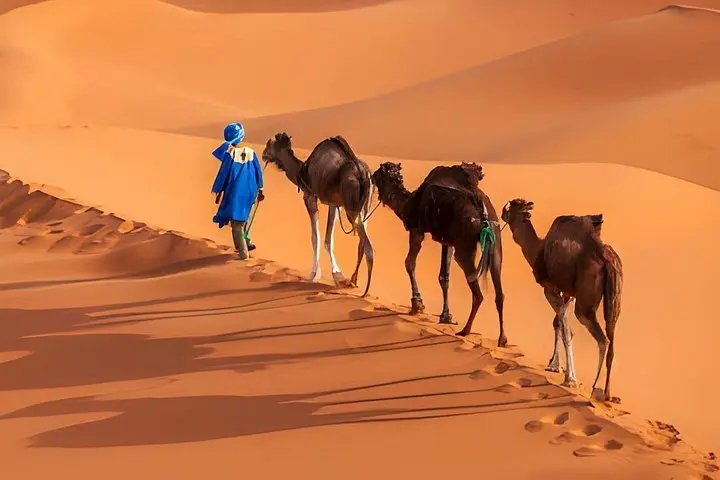
You crest Tizi n’Tichka as the road slices through the High Atlas, wind gusting like an impatient guide. Towns of ocher clay retreat behind you while the landscape opens into a sequence of gorges, palm-lined valleys and, finally, a sea of sand where Erg Chebbi rises in ribbed amber waves that dare you to climb them.
Verified experiences and guided adventures in the surrounding area.
Operated by Barbaro Tours Morocco · Merzouga, Drâa-Tafilalet
You crest Tizi n’Tichka as the road slices through the High Atlas, wind gusting like an impatient guide. Towns of ocher clay retreat behind you while the landscape opens into a sequence of gorges, palm-lined valleys and, finally, a sea of sand where Erg Chebbi rises in ribbed amber waves that dare you to climb them.
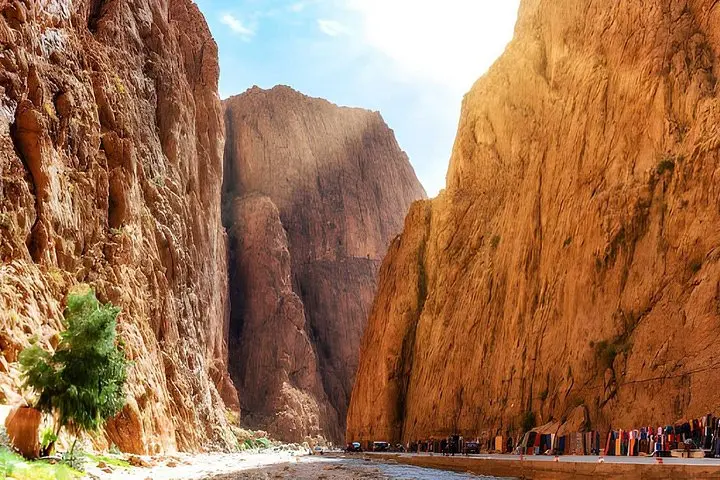
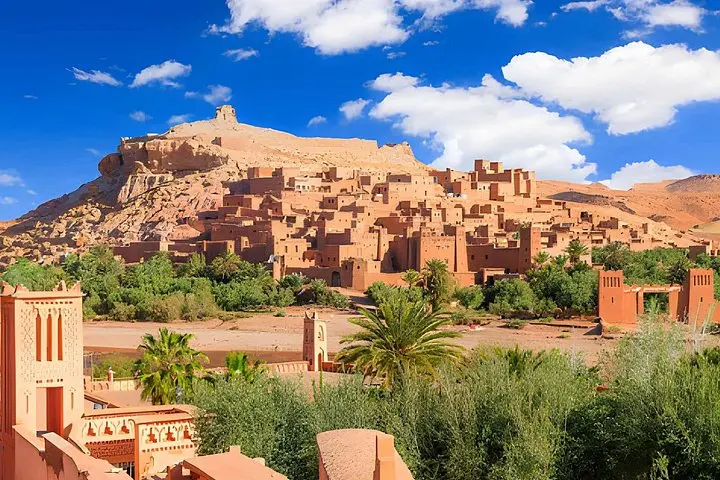
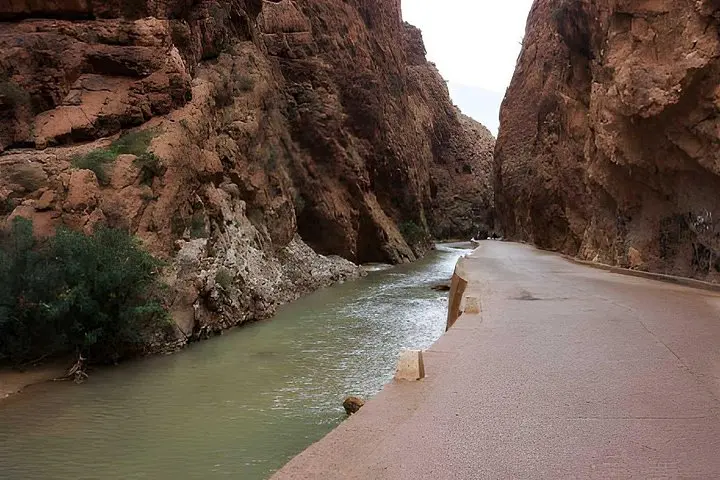
This three-day private circuit threads history and geology: the fortified kasbahs at Aït Ben Haddou (a UNESCO site) and the film studios of Ouarzazate speak to human storytelling, while the Todra and Dades gorges expose layered limestone carved by rivers over millennia. The Draa Valley’s palm groves mark an ancient caravan route that once linked Saharan trade to Marrakech. Local Berber communities keep crafts, music and tea rituals alive—expect to see kasbah architecture and hear Tamazight words along the way.
Practically, the route covers long drives with key passes—Tizi n’Tichka (2,260 m) and Tizi Tinififft (~1,660 m)—so plan for changing temperatures. Day two culminates in a dromedary-led ride across Erg Chebbi; dunes can reach about 150 m, and sunset and sunrise are best experienced on foot or camel. Nights alternate hotel comfort (Dades) and a desert bivouac beneath an immense sky; campfires and simple meals are part of the experience.
Bring layered clothing, sun protection, a refillable water bottle, and footwear suitable for mixed terrain. Travel within Morocco’s dry seasons (spring and fall) reduces heat extremes, but winter mornings can be chilly at altitude. Allow time for photos, short walks through gorges and a slow cup of mint tea with local hosts—the trip is as much about the road between places as the destinations themselves.
The road itinerary spans roughly 8–10 hours of driving split over two days, with scenic stops; total straight-line distance is around 560–600 km but travel time varies with stops and conditions.
The itinerary includes one hotel night in the Dades valley and one desert bivouac night in a traditional tent camp under the stars with simple bedding and a communal campfire.
No special experience is needed—dromedaries are used to tourists. You’ll mount with assistance and rides are typically short to moderate; bring clothing that protects against chafing.
Spring (March–May) and fall (September–November) offer the most comfortable daytime temperatures and clearer skies; summer can be extremely hot while winter mornings and nights may be chilly.
Barbaro Tours Morocco operates guided outdoor trips and adventures with an emphasis on safety, stewardship, and memorable experiences.
You crest Tizi n’Tichka as the road slices through the High Atlas, wind gusting like an impatient guide. Towns of ocher clay retreat behind you while the landscape opens into a sequence of gorges, palm-lined valleys and, finally, a sea of sand where Erg Chebbi rises in ribbed amber waves that dare you to climb them.
You crest Tizi n’Tichka as the road slices through the High Atlas, wind gusting like an impatient guide. Towns of ocher clay retreat behind you while the landscape opens into a sequence of gorges, palm-lined valleys and, finally, a sea of sand where Erg Chebbi rises in ribbed amber waves that dare you to climb them.
This three-day private circuit threads history and geology: the fortified kasbahs at Aït Ben Haddou (a UNESCO site) and the film studios of Ouarzazate speak to human storytelling, while the Todra and Dades gorges expose layered limestone carved by rivers over millennia. The Draa Valley’s palm groves mark an ancient caravan route that once linked Saharan trade to Marrakech. Local Berber communities keep crafts, music and tea rituals alive—expect to see kasbah architecture and hear Tamazight words along the way.
Practically, the route covers long drives with key passes—Tizi n’Tichka (2,260 m) and Tizi Tinififft (~1,660 m)—so plan for changing temperatures. Day two culminates in a dromedary-led ride across Erg Chebbi; dunes can reach about 150 m, and sunset and sunrise are best experienced on foot or camel. Nights alternate hotel comfort (Dades) and a desert bivouac beneath an immense sky; campfires and simple meals are part of the experience.
Bring layered clothing, sun protection, a refillable water bottle, and footwear suitable for mixed terrain. Travel within Morocco’s dry seasons (spring and fall) reduces heat extremes, but winter mornings can be chilly at altitude. Allow time for photos, short walks through gorges and a slow cup of mint tea with local hosts—the trip is as much about the road between places as the destinations themselves.