THE ADVENTURE COLLECTIVE® · Independent discovery and booking for outdoor travel

A three-day private drive along Highway 1 that stitches together Big Sur’s raw cliffs, the grandeur of Hearst Castle, and the charm of Carmel. Expect long scenic drives punctuated by short hikes, iconic viewpoints like Bixby Bridge and McWay Falls, and chances to tailor the route to your interests.
A three-day private drive along Highway 1 that stitches together Big Sur’s raw cliffs, the grandeur of Hearst Castle, and the charm of Carmel. Expect long scenic drives punctuated by short hikes, iconic viewpoints like Bixby Bridge and McWay Falls, and chances to tailor the route to your interests.
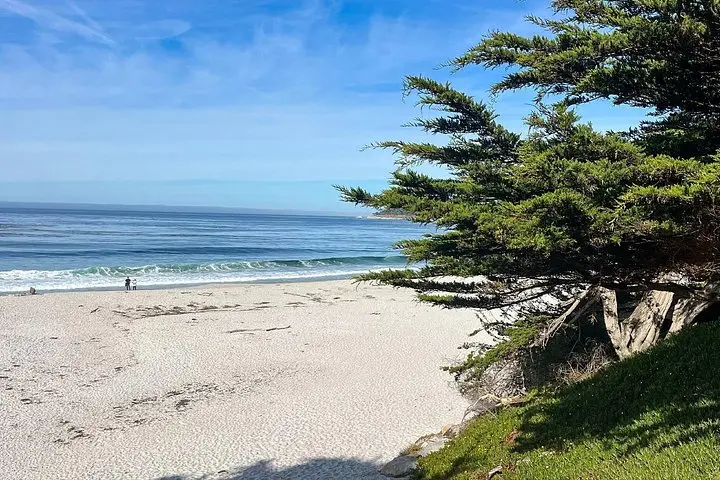
The van eases onto Highway 1 and the ocean arrives without warning — a sudden bench of blue that slides under cliffs and the long, hungry sky. Over three days, the coast becomes a moving picture: the soft timber of Monterey’s wharf, the wind-creased face of Bixby Bridge, and the solitary arc of McWay Falls where water dares the sand. This is a tour designed for motion — long drives broken by sharp, cinematic stops — and for photographers who prize both composition and context.
Verified experiences and guided adventures in the surrounding area.
Operated by Photravel Adventures · Carmel-by-the-Sea, California
The van eases onto Highway 1 and the ocean arrives without warning — a sudden bench of blue that slides under cliffs and the long, hungry sky. Over three days, the coast becomes a moving picture: the soft timber of Monterey’s wharf, the wind-creased face of Bixby Bridge, and the solitary arc of McWay Falls where water dares the sand. This is a tour designed for motion — long drives broken by sharp, cinematic stops — and for photographers who prize both composition and context.
History here reads in concrete and stone. Hearst Castle perches above San Simeon like a private palace from a different century, a product of early 20th-century wealth and the crafts of Julia Morgan. The bridge at Bixby, completed in 1932, is a human answer to the coast’s stubborn geology — arches and reinforced concrete spanning ancient sea-cut canyons. Beneath those structures are uplifted marine terraces and Miocene sandstones that year by year are pared away by surf and weather.
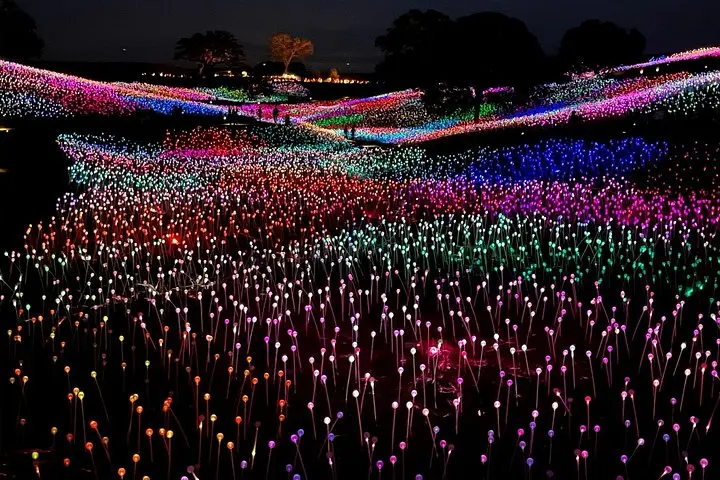
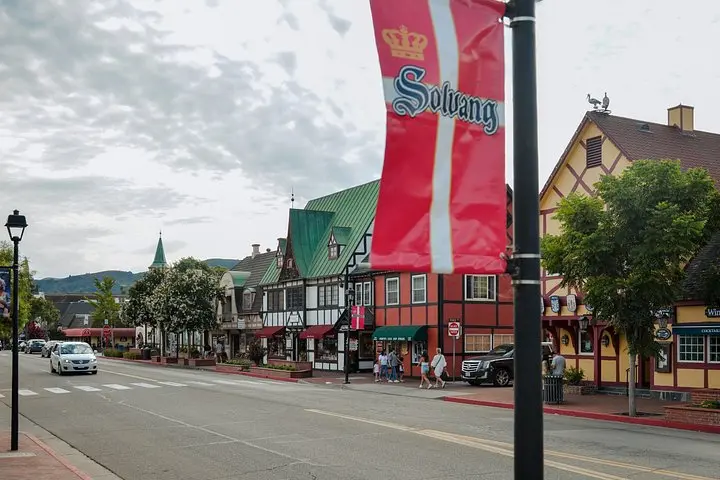
Culture on this route is small-town coastal: Carmel-by-the-Sea’s fairy-tale cottages and art galleries, Solvang’s Danish bakeries and windmills, and Santa Barbara’s Spanish-colonial facades. Each stop is framed by local flavor — a pastry in Solvang, clams on Monterey’s Wharf, or a wine stop around Paso Robles if you opt for the Sensorio evening light show.
Practicalities matter on this itinerary. You’ll cover roughly 400–500 miles over three days; driving windows of 2–4 hours between stops are common. Trails are generally short and untechnical — the climb to Whale Peak at Soberanes Point gains about 266 feet over 15–20 minutes — but parking at Big Sur access points (Pfeiffer, McWay) can fill quickly in summer.
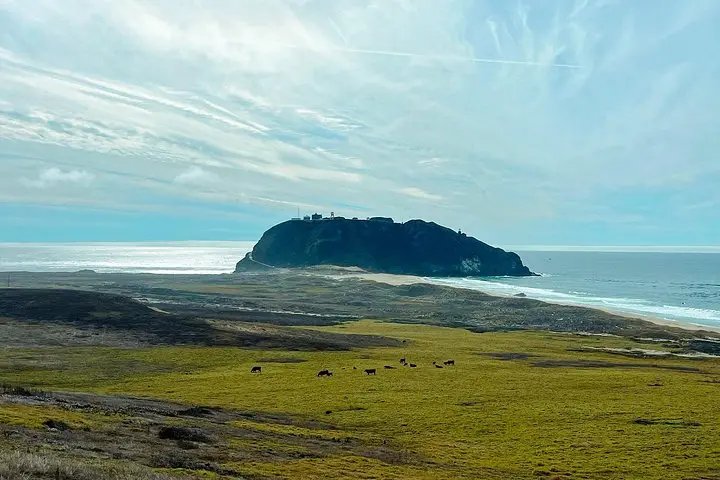
Bring layered clothing: the coast flips between sun and wind in the same hour. Footwear should be sturdy for short rocky descents (Partington Cove, Pfeiffer) and comfortable for strolls in town. Hydration and sun protection are essential; bottled water is included, but carry a refillable bottle. Time your photo stops for low light at dawn and dusk: McWay Falls, Bixby Bridge, and Ragged Point reward early or late visits with softer skies and fewer people.
For travelers who want customization — more stops, Fort Ross, or a San Francisco drop-off — the private format allows flexibility. Guides provide local insight and the route is adaptable, but remember admission fees (Hearst Castle tours, Sensorio) and occasional parking surcharges. The payoff is a concentrated sweep of California’s Central Coast: geological drama, historic architecture, and coastal moments that stay with you long after the highway has curved away.
The tour includes one standard admission (not the Julia Morgan or Art Under the Moonlight tours). Additional Hearst Castle tours or upgraded tickets must be purchased separately.
Expect several 2–4 hour driving legs; the full package covers roughly 400–500 miles over three days with multiple stops for walks and viewpoints.
Yes — this is a private tour and the operator will customize stops (Fort Ross, alternate drop-offs, extra time) on request, subject to timing and fees.
Parking exists but fills quickly in summer and on weekends; arriving early or later in the day reduces wait times and secures better vantage points.
Meals are not included; the itinerary stops in towns with dining options (Solvang, Carmel, Monterey, Santa Barbara) so you can choose restaurants along the route.
Yes — the tour notes it’s suitable for all fitness levels and family-friendly, though some stops include short cliffside trails not recommended for very young children without close supervision.
Photravel Adventures operates guided outdoor trips and adventures with an emphasis on safety, stewardship, and memorable experiences.
The van eases onto Highway 1 and the ocean arrives without warning — a sudden bench of blue that slides under cliffs and the long, hungry sky. Over three days, the coast becomes a moving picture: the soft timber of Monterey’s wharf, the wind-creased face of Bixby Bridge, and the solitary arc of McWay Falls where water dares the sand. This is a tour designed for motion — long drives broken by sharp, cinematic stops — and for photographers who prize both composition and context.
The van eases onto Highway 1 and the ocean arrives without warning — a sudden bench of blue that slides under cliffs and the long, hungry sky. Over three days, the coast becomes a moving picture: the soft timber of Monterey’s wharf, the wind-creased face of Bixby Bridge, and the solitary arc of McWay Falls where water dares the sand. This is a tour designed for motion — long drives broken by sharp, cinematic stops — and for photographers who prize both composition and context.
History here reads in concrete and stone. Hearst Castle perches above San Simeon like a private palace from a different century, a product of early 20th-century wealth and the crafts of Julia Morgan. The bridge at Bixby, completed in 1932, is a human answer to the coast’s stubborn geology — arches and reinforced concrete spanning ancient sea-cut canyons. Beneath those structures are uplifted marine terraces and Miocene sandstones that year by year are pared away by surf and weather.
Culture on this route is small-town coastal: Carmel-by-the-Sea’s fairy-tale cottages and art galleries, Solvang’s Danish bakeries and windmills, and Santa Barbara’s Spanish-colonial facades. Each stop is framed by local flavor — a pastry in Solvang, clams on Monterey’s Wharf, or a wine stop around Paso Robles if you opt for the Sensorio evening light show.
Practicalities matter on this itinerary. You’ll cover roughly 400–500 miles over three days; driving windows of 2–4 hours between stops are common. Trails are generally short and untechnical — the climb to Whale Peak at Soberanes Point gains about 266 feet over 15–20 minutes — but parking at Big Sur access points (Pfeiffer, McWay) can fill quickly in summer.
Bring layered clothing: the coast flips between sun and wind in the same hour. Footwear should be sturdy for short rocky descents (Partington Cove, Pfeiffer) and comfortable for strolls in town. Hydration and sun protection are essential; bottled water is included, but carry a refillable bottle. Time your photo stops for low light at dawn and dusk: McWay Falls, Bixby Bridge, and Ragged Point reward early or late visits with softer skies and fewer people.
For travelers who want customization — more stops, Fort Ross, or a San Francisco drop-off — the private format allows flexibility. Guides provide local insight and the route is adaptable, but remember admission fees (Hearst Castle tours, Sensorio) and occasional parking surcharges. The payoff is a concentrated sweep of California’s Central Coast: geological drama, historic architecture, and coastal moments that stay with you long after the highway has curved away.