THE ADVENTURE COLLECTIVE® · Independent discovery and booking for outdoor travel

Drive two of Romania’s most famous mountain roads and visit medieval fortresses, UNESCO monasteries and a dramatic hydro dam on a private 3-day itinerary from Bucharest. Expect long scenic drives, short steep walks, and rich cultural stops.
Drive two of Romania’s most famous mountain roads and visit medieval fortresses, UNESCO monasteries and a dramatic hydro dam on a private 3-day itinerary from Bucharest. Expect long scenic drives, short steep walks, and rich cultural stops.
Morning light slants across hairpin turns as the private car eases onto the Transfăgărășan, the road itself daring you to look away. Over three days the route pushes from Bucharest foothills into the high Carpathians: Curtea de Argeș’s royal stonework, the vaulted silhouette of Poenari Fortress up its 1,480 stairs, the concrete curve of Vidraru Dam, and the mountaintop sweep of Transalpina.
Verified experiences and guided adventures in the surrounding area.
Operated by Romania Driver and Guide · Bucharest, Bucharest
Morning light slants across hairpin turns as the private car eases onto the Transfăgărășan, the road itself daring you to look away. Over three days the route pushes from Bucharest foothills into the high Carpathians: Curtea de Argeș’s royal stonework, the vaulted silhouette of Poenari Fortress up its 1,480 stairs, the concrete curve of Vidraru Dam, and the mountaintop sweep of Transalpina.
This itinerary threads centuries: medieval Wallachian courts and Orthodox monasteries; Roman-era legends about mountain passes; and 20th-century engineering at Vidraru. Geology shifts quickly — rolling farmland gives way to limestone caves at Polovragi, then to glacially sculpted ridgelines above 2,000 m on Transalpina. Local culture is tangible in Sibiu’s Saxon squares, Alba Iulia’s Vauban citadel, and Horezu’s living pottery tradition.
Practically, expect extensive driving with scheduled stops and short, sometimes steep walks — Poenari and castle stairs demand steady footing. Weather on the passes can change fast; mornings often offer the clearest views. Guides typically arrange hotels in Sibiu/Alba Iulia and adapt the day-to-day plan for traffic or weather. Bring layered clothing, sturdy shoes, and a small daypack for cameras and water. Timing: start early to avoid midday crowds on scenic viewpoints and allow flexibility for photo stops or a cave visit at Polovragi. For travelers who want cultural depth with high-altitude scenery, this private, guided route offers a compact, accessible way to experience Romania’s roads, ruins and monasteries without technical gear.
Expect multiple 2–4 hour driving segments each day between attractions; the tour prioritizes scenic driving but includes frequent stops.
The guide’s accommodation and meals are not included; entrance fees are generally not included unless specified—bring cash for small sites.
Yes — the program is rated easy physically, though Poenari’s stairs and some cobbled areas may be challenging for those with limited mobility.
Yes — this private tour offers flexibility; guides typically adjust timing and stops based on weather, traffic and traveler interests.
Romania Driver and Guide operates guided outdoor trips and adventures with an emphasis on safety, stewardship, and memorable experiences.
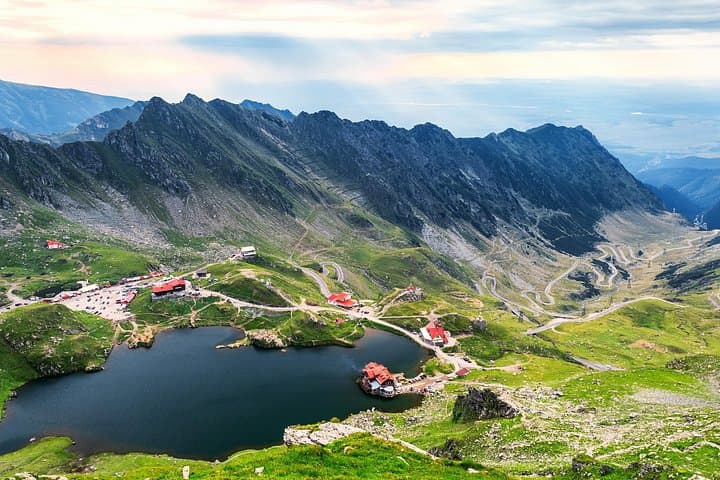
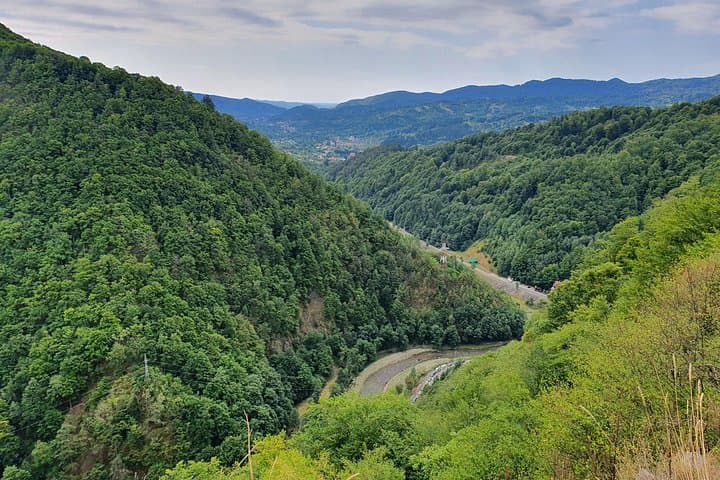
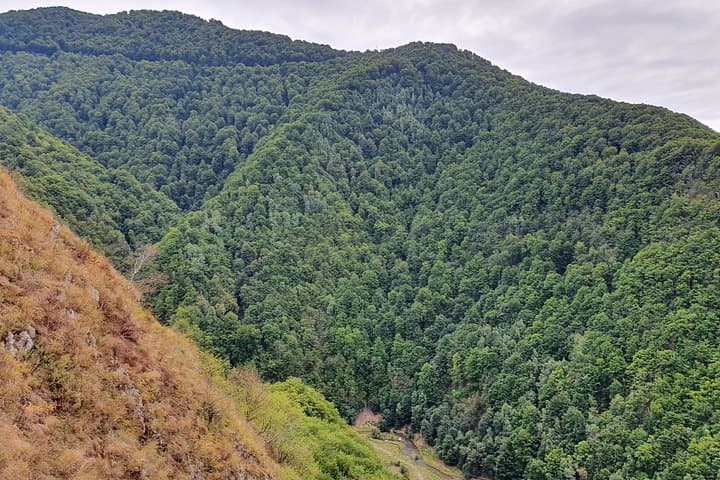
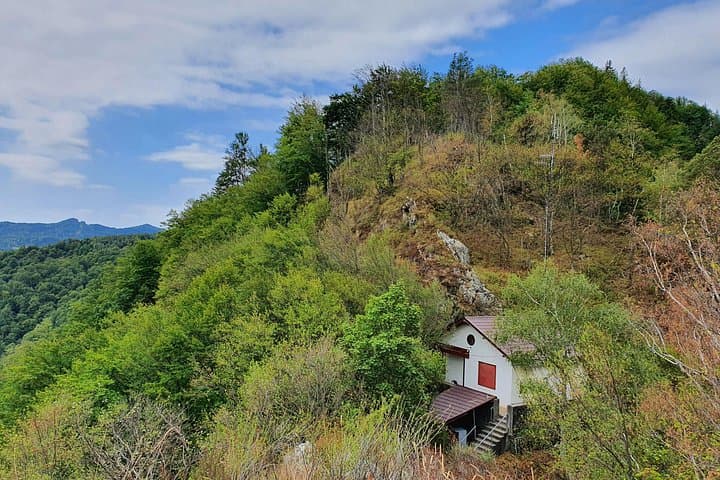
Morning light slants across hairpin turns as the private car eases onto the Transfăgărășan, the road itself daring you to look away. Over three days the route pushes from Bucharest foothills into the high Carpathians: Curtea de Argeș’s royal stonework, the vaulted silhouette of Poenari Fortress up its 1,480 stairs, the concrete curve of Vidraru Dam, and the mountaintop sweep of Transalpina.
Morning light slants across hairpin turns as the private car eases onto the Transfăgărășan, the road itself daring you to look away. Over three days the route pushes from Bucharest foothills into the high Carpathians: Curtea de Argeș’s royal stonework, the vaulted silhouette of Poenari Fortress up its 1,480 stairs, the concrete curve of Vidraru Dam, and the mountaintop sweep of Transalpina.
This itinerary threads centuries: medieval Wallachian courts and Orthodox monasteries; Roman-era legends about mountain passes; and 20th-century engineering at Vidraru. Geology shifts quickly — rolling farmland gives way to limestone caves at Polovragi, then to glacially sculpted ridgelines above 2,000 m on Transalpina. Local culture is tangible in Sibiu’s Saxon squares, Alba Iulia’s Vauban citadel, and Horezu’s living pottery tradition.
Practically, expect extensive driving with scheduled stops and short, sometimes steep walks — Poenari and castle stairs demand steady footing. Weather on the passes can change fast; mornings often offer the clearest views. Guides typically arrange hotels in Sibiu/Alba Iulia and adapt the day-to-day plan for traffic or weather. Bring layered clothing, sturdy shoes, and a small daypack for cameras and water. Timing: start early to avoid midday crowds on scenic viewpoints and allow flexibility for photo stops or a cave visit at Polovragi. For travelers who want cultural depth with high-altitude scenery, this private, guided route offers a compact, accessible way to experience Romania’s roads, ruins and monasteries without technical gear.