THE ADVENTURE COLLECTIVE® · Independent discovery and booking for outdoor travel

Three days in northern Tanzania compresses some of Africa’s grandest scenes into a single loop: Tarangire’s giants, Ngorongoro’s bowl and a day-hike on Kilimanjaro. This private midrange-lodge safari pairs long game drives with a managed mountain trek — ideal for travelers who want wildlife and a taste of altitude without the logistical heavy lift.
Three days in northern Tanzania compresses some of Africa’s grandest scenes into a single loop: Tarangire’s giants, Ngorongoro’s bowl and a day-hike on Kilimanjaro. This private midrange-lodge safari pairs long game drives with a managed mountain trek — ideal for travelers who want wildlife and a taste of altitude without the logistical heavy lift.
The morning air in northern Tanzania arrives like a promise — clean, sharp and carrying the distant murmur of life. You climb into a pop-up roof 4x4 in Arusha and the landscape unfurls: acacia-dotted plains, a river that threads through rich floodplain, and the high shoulder of Kilimanjaro watching everything below. Over three days this private midrange lodge safari stitches together Tarangire’s baobab giants, the bowl of the Ngorongoro Crater and a brisk day-hike up Kilimanjaro’s lower slopes to Mandara Hut.
Verified experiences and guided adventures in the surrounding area.
Operated by African polecat safaris · Arusha, Arusha Region
The morning air in northern Tanzania arrives like a promise — clean, sharp and carrying the distant murmur of life. You climb into a pop-up roof 4x4 in Arusha and the landscape unfurls: acacia-dotted plains, a river that threads through rich floodplain, and the high shoulder of Kilimanjaro watching everything below. Over three days this private midrange lodge safari stitches together Tarangire’s baobab giants, the bowl of the Ngorongoro Crater and a brisk day-hike up Kilimanjaro’s lower slopes to Mandara Hut.
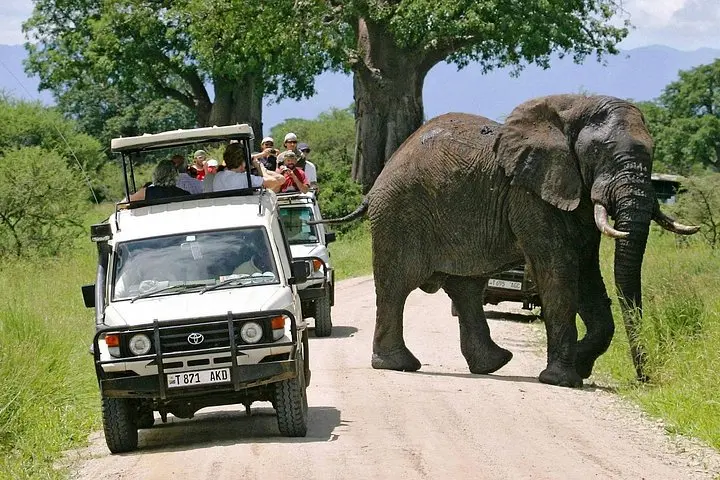
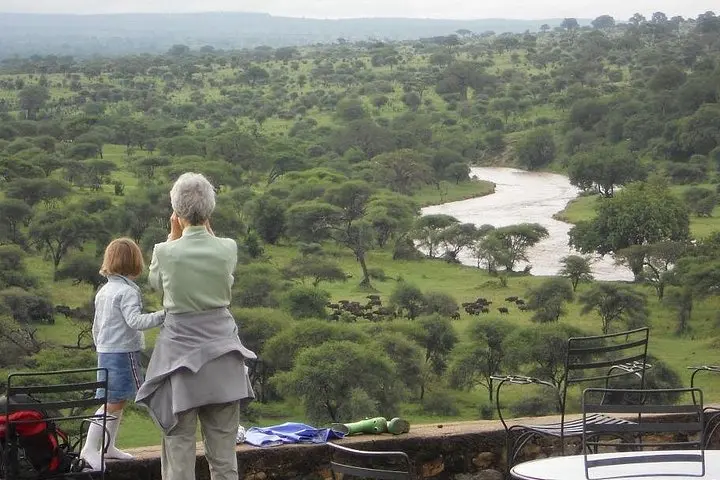
Tarangire is first: a park that moves at elephant pace. Herds gather at the river and the ground vibrates with trunks and hooves — the park’s baobabs loom like weathered columns. Geologically the region is a mosaic of volcanic ash and river deposits; its soils and surface water patterns are what draw wildlife in predictable concentrations, especially in the dry months.
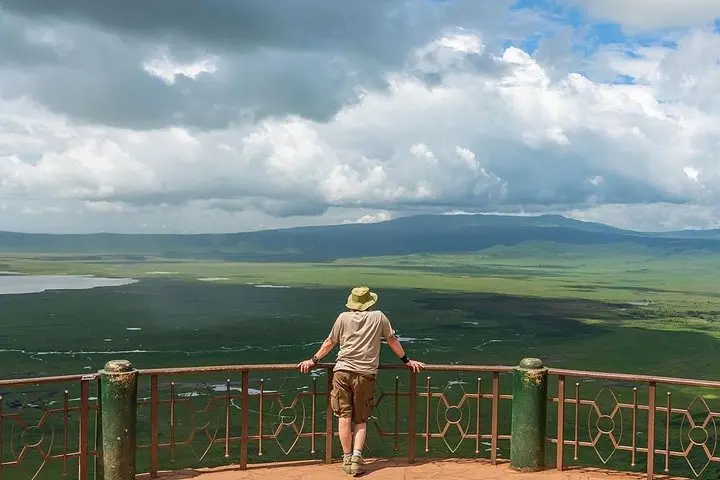
Ngorongoro is the next dramatic shift. The crater is an intact volcanic caldera, 600–650 meters deep, its rim a hard edge that gives way to a living amphitheater. Walking across the rim you feel the bowl breathe: grasses swelling with rain, predators kneading the periphery, hippos simmering in their pools. The Maasai have grazed these slopes for centuries, and their relationship to the land — seasonal movement, cattle management, and ceremony — remains visible along roads and in local markets.
On day three the rhythm changes to up-tempo: a drive to Marangu Gate, registration, and a steady climb through montane forest toward Mandara Hut. The trail moves from scrub to mist-wetted trees; orchids and moss step into the foreground and the mountain’s moods — cool, wet, patient — begin to set the pace. The guide paces the party slowly to honor acclimatization and to preserve energy for the descent.
Practicalities matter: expect long game drives (4–8 hours on game days), unpaved tracks that become muddy in rains, and early starts to catch wildlife at its most active. Lodging is midrange lodges offering hot meals, warm showers and a local touch. Bring layered clothing for big temperature swings, sturdy boots for the Kilimanjaro trek, and an appetite for patient, up-close wildlife viewing.
This itinerary is compact but complete: wildlife-rich savanna, one of Africa’s geological showpieces, and a taste of Kilimanjaro’s lower alpine world — all accessed with a private vehicle and an experienced guide who keeps the schedule flexible and the experience intimate.
No technical mountaineering experience is required; the day-hike to Mandara Hut is a non-technical trek but involves steady elevation gain and several hours of walking.
Yellow fever vaccination is required if arriving from a yellow-fever-endemic country; consult your doctor for routine vaccinations and anti-malarial advice before travel.
Yes — park fees for Tarangire and Ngorongoro and entry permits for the Kilimanjaro gate are included in the itinerary pricing.
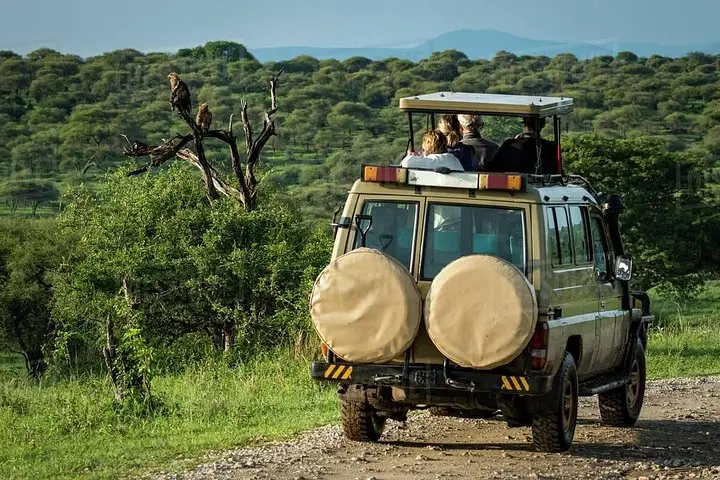
Game drives are long (often 4–8 hours) but conducted from a comfortable pop-up roof 4x4; expect some time standing and walking at viewing stops.
Tipping is customary: guides typically receive the largest share, with smaller amounts for lodge staff; amounts vary but plan a daily guide tip and a separate lodge tip on departure.
Children are allowed, but the Kilimanjaro hike and long game drives may be tiring for very young kids; check age policies with the operator.
African polecat safaris operates guided outdoor trips and adventures with an emphasis on safety, stewardship, and memorable experiences.
The morning air in northern Tanzania arrives like a promise — clean, sharp and carrying the distant murmur of life. You climb into a pop-up roof 4x4 in Arusha and the landscape unfurls: acacia-dotted plains, a river that threads through rich floodplain, and the high shoulder of Kilimanjaro watching everything below. Over three days this private midrange lodge safari stitches together Tarangire’s baobab giants, the bowl of the Ngorongoro Crater and a brisk day-hike up Kilimanjaro’s lower slopes to Mandara Hut.
The morning air in northern Tanzania arrives like a promise — clean, sharp and carrying the distant murmur of life. You climb into a pop-up roof 4x4 in Arusha and the landscape unfurls: acacia-dotted plains, a river that threads through rich floodplain, and the high shoulder of Kilimanjaro watching everything below. Over three days this private midrange lodge safari stitches together Tarangire’s baobab giants, the bowl of the Ngorongoro Crater and a brisk day-hike up Kilimanjaro’s lower slopes to Mandara Hut.
Tarangire is first: a park that moves at elephant pace. Herds gather at the river and the ground vibrates with trunks and hooves — the park’s baobabs loom like weathered columns. Geologically the region is a mosaic of volcanic ash and river deposits; its soils and surface water patterns are what draw wildlife in predictable concentrations, especially in the dry months.
Ngorongoro is the next dramatic shift. The crater is an intact volcanic caldera, 600–650 meters deep, its rim a hard edge that gives way to a living amphitheater. Walking across the rim you feel the bowl breathe: grasses swelling with rain, predators kneading the periphery, hippos simmering in their pools. The Maasai have grazed these slopes for centuries, and their relationship to the land — seasonal movement, cattle management, and ceremony — remains visible along roads and in local markets.
On day three the rhythm changes to up-tempo: a drive to Marangu Gate, registration, and a steady climb through montane forest toward Mandara Hut. The trail moves from scrub to mist-wetted trees; orchids and moss step into the foreground and the mountain’s moods — cool, wet, patient — begin to set the pace. The guide paces the party slowly to honor acclimatization and to preserve energy for the descent.
Practicalities matter: expect long game drives (4–8 hours on game days), unpaved tracks that become muddy in rains, and early starts to catch wildlife at its most active. Lodging is midrange lodges offering hot meals, warm showers and a local touch. Bring layered clothing for big temperature swings, sturdy boots for the Kilimanjaro trek, and an appetite for patient, up-close wildlife viewing.
This itinerary is compact but complete: wildlife-rich savanna, one of Africa’s geological showpieces, and a taste of Kilimanjaro’s lower alpine world — all accessed with a private vehicle and an experienced guide who keeps the schedule flexible and the experience intimate.