THE ADVENTURE COLLECTIVE® · Independent discovery and booking for outdoor travel

Three days of big-sky wildlife and intimate cultural encounters: explore Tarangire’s elephants, descend into Ngorongoro Crater for dense game viewing, and meet Hadzabe and Datoga communities at Lake Eyasi. A private, lodge-based safari ideal for first-time and repeat Tanzania visitors.
Three days of big-sky wildlife and intimate cultural encounters: explore Tarangire’s elephants, descend into Ngorongoro Crater for dense game viewing, and meet Hadzabe and Datoga communities at Lake Eyasi. A private, lodge-based safari ideal for first-time and repeat Tanzania visitors.
Dawn pours gold across acacia and baobab as your jeep eases onto the dry track out of Arusha, the smell of crushed grasses and diesel hanging in the air.
Verified experiences and guided adventures in the surrounding area.
Operated by Masengota Safaris Company Ltd · Arusha, Arusha Region
Dawn pours gold across acacia and baobab as your jeep eases onto the dry track out of Arusha, the smell of crushed grasses and diesel hanging in the air.
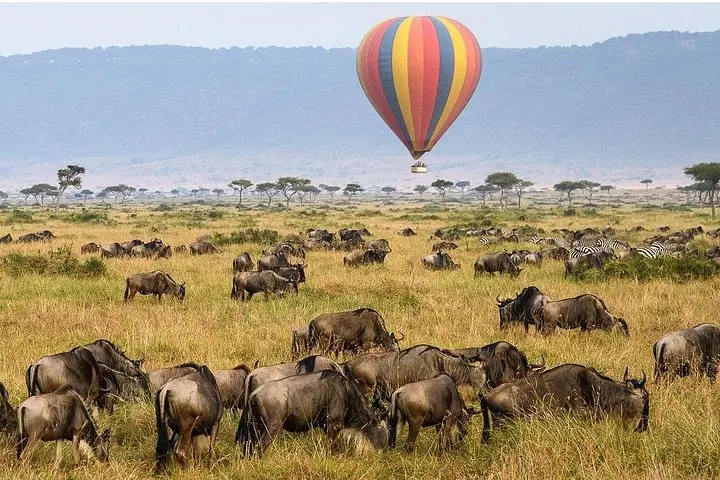
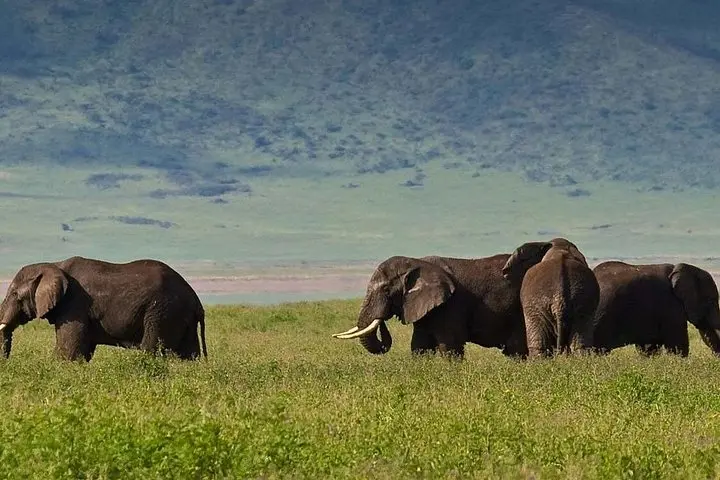
Day one deposits you in Tarangire, where elephants move like slow weather and flocks of birds flicker through heat shimmer. The landscape is a study in scale—broad savannah, scattered baobabs, termite mounds that break the horizon. Geologically, the Ngorongoro basin you visit next is the collapsed caldera of an ancient volcano; the crater floor collects water, grazing herds, and predators in a compact, astonishing theater of life.
Along the shore of Lake Eyasi the tone changes: acacia-dotted plains give way to shallow lake flats and rocky outcrops where Hadzabe hunters and Datoga artisans still practice long-standing skills. This is cultural terrain as much as wildlife country—expect guided conversations about tracking, metalwork, and seasonal rhythms of the region.
Practically, the tour runs three days with lodge-based nights near Karatu, daily game drives, and a full cultural visit to Lake Eyasi. Wildlife viewing is best in the dry months when animals concentrate around water; early starts and midafternoon rests are part of the rhythm.
Bring neutral clothing, sun protection, and a small daypack for camera gear and water. Respect local customs during cultural visits, keep noise low in parks, and follow your guide’s instructions around wildlife. With basic preparation you’ll encounter expansive landscapes, concentrated wildlife sightings, and meaningful cultural exchange on a compact, accessible safari.
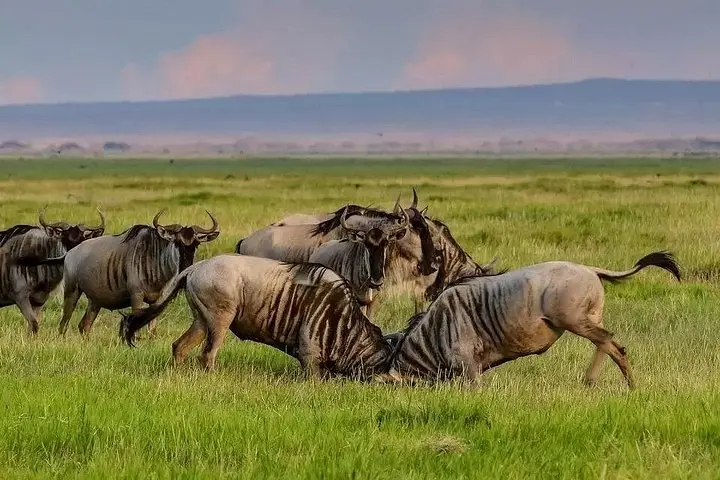
Ngorongoro is one of the densest wildlife areas in Africa; you can expect to see many grazing species, predators, and possibly members of the Big Five depending on luck and season.
The standard tour includes park admissions and parking fees as listed in the inclusions; confirm exact fees at booking for any changes.
Guides arrange meetings with local groups; reputable operators coordinate with communities to ensure interactions are mutually agreed and often include compensation or purchases.
Yes—operators typically accommodate vegetarian, vegan, and gluten-free diets if notified in advance during booking.
Masengota Safaris Company Ltd operates guided outdoor trips and adventures with an emphasis on safety, stewardship, and memorable experiences.
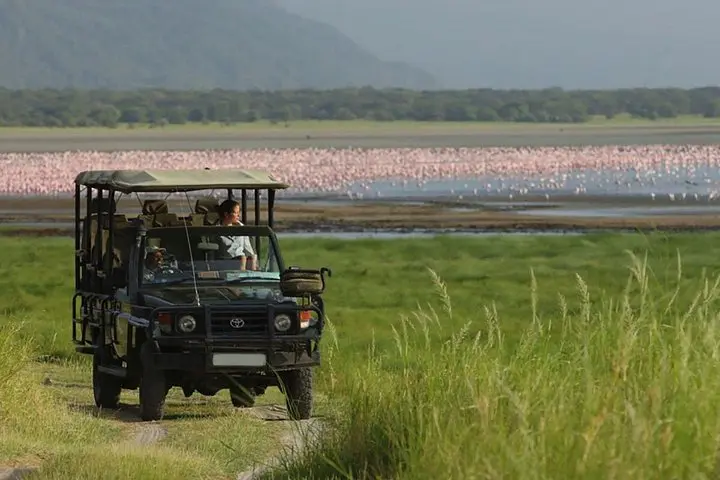
Dawn pours gold across acacia and baobab as your jeep eases onto the dry track out of Arusha, the smell of crushed grasses and diesel hanging in the air.
Dawn pours gold across acacia and baobab as your jeep eases onto the dry track out of Arusha, the smell of crushed grasses and diesel hanging in the air.
Day one deposits you in Tarangire, where elephants move like slow weather and flocks of birds flicker through heat shimmer. The landscape is a study in scale—broad savannah, scattered baobabs, termite mounds that break the horizon. Geologically, the Ngorongoro basin you visit next is the collapsed caldera of an ancient volcano; the crater floor collects water, grazing herds, and predators in a compact, astonishing theater of life.
Along the shore of Lake Eyasi the tone changes: acacia-dotted plains give way to shallow lake flats and rocky outcrops where Hadzabe hunters and Datoga artisans still practice long-standing skills. This is cultural terrain as much as wildlife country—expect guided conversations about tracking, metalwork, and seasonal rhythms of the region.
Practically, the tour runs three days with lodge-based nights near Karatu, daily game drives, and a full cultural visit to Lake Eyasi. Wildlife viewing is best in the dry months when animals concentrate around water; early starts and midafternoon rests are part of the rhythm.
Bring neutral clothing, sun protection, and a small daypack for camera gear and water. Respect local customs during cultural visits, keep noise low in parks, and follow your guide’s instructions around wildlife. With basic preparation you’ll encounter expansive landscapes, concentrated wildlife sightings, and meaningful cultural exchange on a compact, accessible safari.