THE ADVENTURE COLLECTIVE® · Independent discovery and booking for outdoor travel

A focused three-day private surf course on Bali’s south coast that pairs hands-on coaching with video analysis. Ideal for beginners who want steady progress in protected bay and sand-break conditions.
A focused three-day private surf course on Bali’s south coast that pairs hands-on coaching with video analysis. Ideal for beginners who want steady progress in protected bay and sand-break conditions.
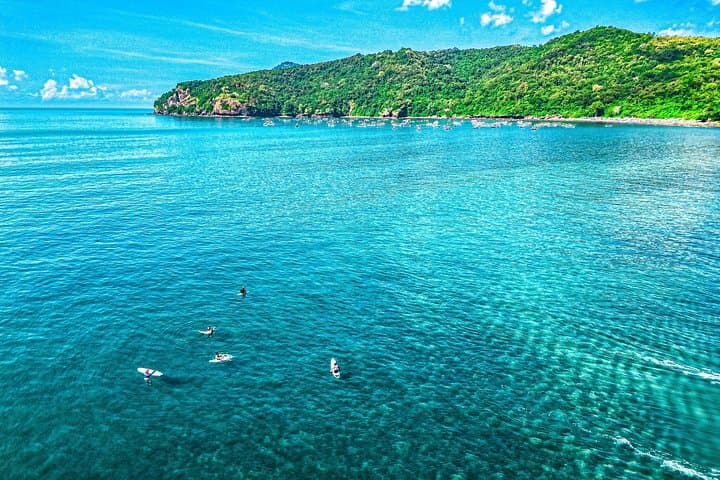
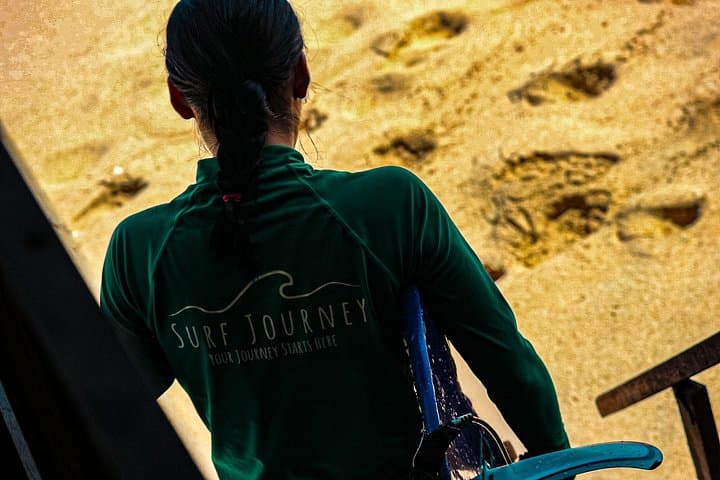
A cool morning on Jimbaran’s shoreline: the sand still holds last night’s footprints while the ocean rolls in patient sets that invite first-time surfers to try. Over three days, instructors turn that invitation into practical skill—paddling, timing, and the pop-up—against a backdrop of volcanic ridgelines and reef-outlined coves.
Verified experiences and guided adventures in the surrounding area.
Operated by Surf Journey · Jimbaran, Bali
A cool morning on Jimbaran’s shoreline: the sand still holds last night’s footprints while the ocean rolls in patient sets that invite first-time surfers to try. Over three days, instructors turn that invitation into practical skill—paddling, timing, and the pop-up—against a backdrop of volcanic ridgelines and reef-outlined coves.
Bali’s south coast sits on young volcanic rock; beaches like Jimbaran and nearby Kuta are sandy beach-breaks formed from eroded lava and coral fragments. Surf culture here grew from local fishing communities and the island’s post-1970s tourism boom; today small surf camps balance instruction with respect for local fishing rhythms and temple ceremonies.
Expect mostly sand-bottom waves in the Jimbaran/Kuta area with manageable beginner sets around 0.5–1.2 m (2–4 ft) in the dry season. Currents can be mild but persistent; instructors teach how to read wind, tide, and rips so students learn both technique and ocean sense.
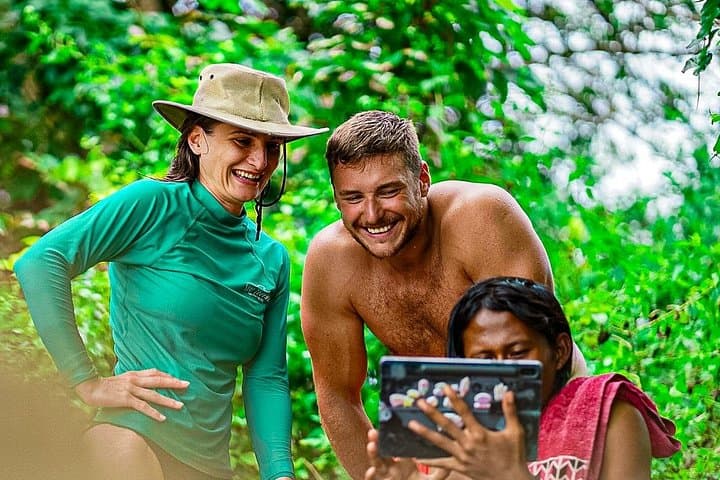
Practical guidance: aim for morning sessions when winds are light and offshore, wear a snug rashguard and reef booties if you’ll practice near shallow coral, and hydrate—tropical sun and salt water accelerate fatigue. Lessons sequence warm-ups on the beach, paddling drills, one-on-one feedback in the lineup, and daily video review to accelerate progress. Bring sunscreen rated for reef protection and plan 6–8 hours of activity each day including travel, briefings, and breaks.
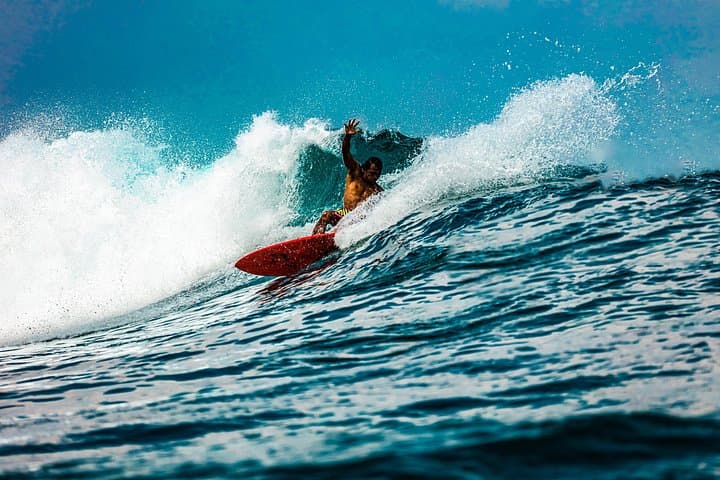
This private, three-day format pushes steady improvement without rush: by day three most beginners consistently catch green waves and leave with recorded footage to refine technique.
Yes; the three-day private format is designed to teach paddling, safety, and the pop-up progressively for people with minimal experience.
Basic swimming competency is required; instructors will not take people who are non-swimmers into open water for safety reasons.
Boards, leashes, and basic surf essentials are included; students should bring reef-safe sunscreen, swimwear, and a towel.
Sessions can be moved or canceled for unsafe conditions such as very large surf or storms; the operator typically offers full refund if canceled 24 hours prior.
Surf Journey operates guided outdoor trips and adventures with an emphasis on safety, stewardship, and memorable experiences.
A cool morning on Jimbaran’s shoreline: the sand still holds last night’s footprints while the ocean rolls in patient sets that invite first-time surfers to try. Over three days, instructors turn that invitation into practical skill—paddling, timing, and the pop-up—against a backdrop of volcanic ridgelines and reef-outlined coves.
A cool morning on Jimbaran’s shoreline: the sand still holds last night’s footprints while the ocean rolls in patient sets that invite first-time surfers to try. Over three days, instructors turn that invitation into practical skill—paddling, timing, and the pop-up—against a backdrop of volcanic ridgelines and reef-outlined coves.
Bali’s south coast sits on young volcanic rock; beaches like Jimbaran and nearby Kuta are sandy beach-breaks formed from eroded lava and coral fragments. Surf culture here grew from local fishing communities and the island’s post-1970s tourism boom; today small surf camps balance instruction with respect for local fishing rhythms and temple ceremonies.
Expect mostly sand-bottom waves in the Jimbaran/Kuta area with manageable beginner sets around 0.5–1.2 m (2–4 ft) in the dry season. Currents can be mild but persistent; instructors teach how to read wind, tide, and rips so students learn both technique and ocean sense.
Practical guidance: aim for morning sessions when winds are light and offshore, wear a snug rashguard and reef booties if you’ll practice near shallow coral, and hydrate—tropical sun and salt water accelerate fatigue. Lessons sequence warm-ups on the beach, paddling drills, one-on-one feedback in the lineup, and daily video review to accelerate progress. Bring sunscreen rated for reef protection and plan 6–8 hours of activity each day including travel, briefings, and breaks.
This private, three-day format pushes steady improvement without rush: by day three most beginners consistently catch green waves and leave with recorded footage to refine technique.