THE ADVENTURE COLLECTIVE® · Independent discovery and booking for outdoor travel

A compact three-day private circuit linking Quito’s colonial heart with Cotopaxi’s volcanic slopes and the crater lake of Quilotoa. Expect city culture, high-altitude hiking and dramatic Andean vistas with private transport and guided interpretation.
A compact three-day private circuit linking Quito’s colonial heart with Cotopaxi’s volcanic slopes and the crater lake of Quilotoa. Expect city culture, high-altitude hiking and dramatic Andean vistas with private transport and guided interpretation.
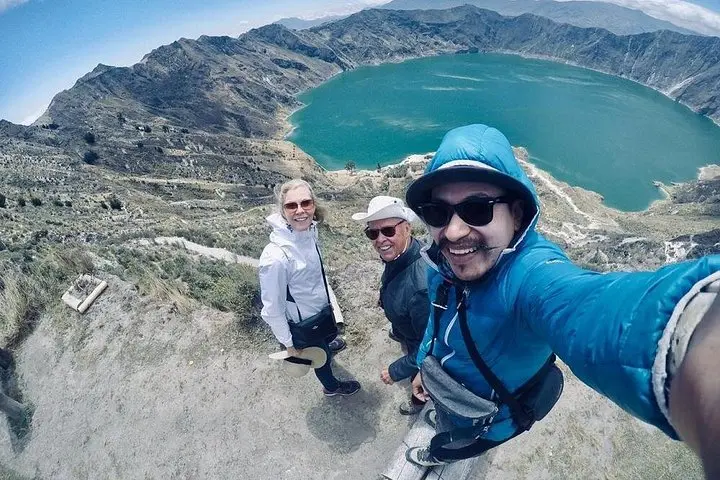
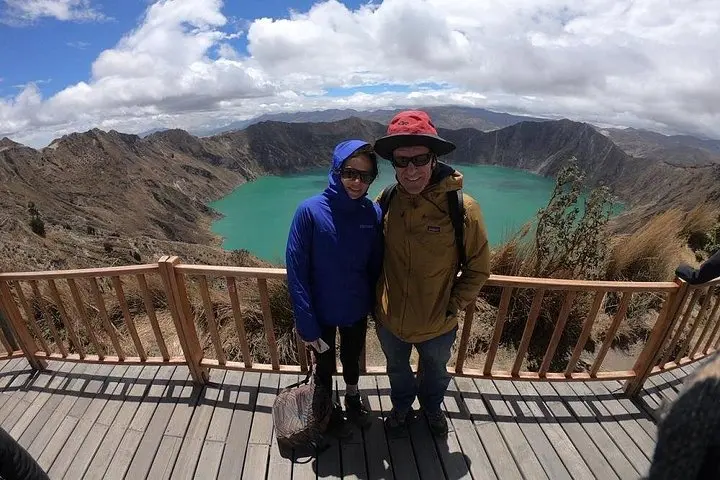
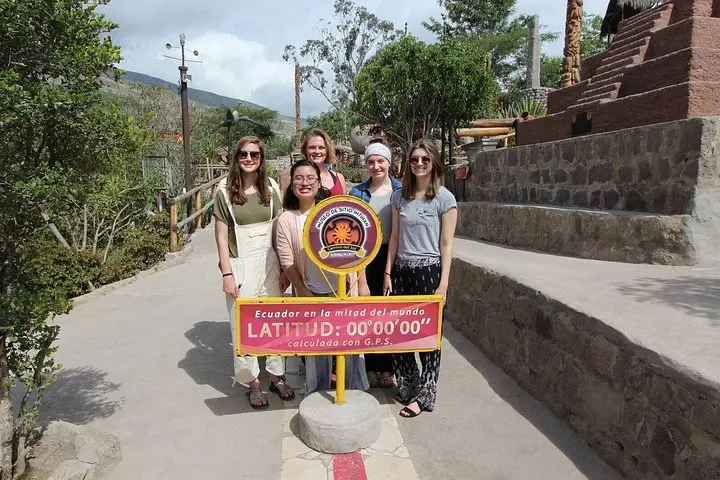
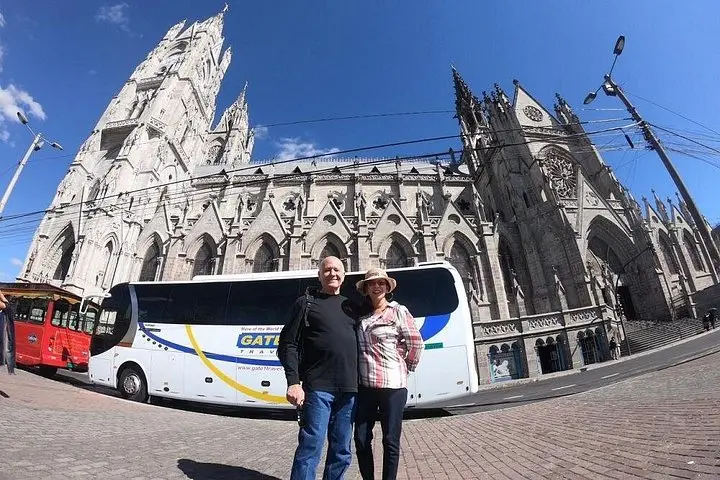
Morning light slices across the Plaza Grande as Quito wakes under the shadow of multiple volcanoes. On day one the city’s stone streets and baroque churches open like a living map of colonial and indigenous histories; by day two the bus climbs the Avenue of the Volcanoes and Cotopaxi looms, a snow-rimmed cone that seems to test the sky. By the final day the Quilotoa crater lake appears, a caldera bowl with water so still it returns the Andes like a held breath.
Verified experiences and guided adventures in the surrounding area.
Operated by Latin Adventures Cía Ltda · Quito, Pichincha
Morning light slices across the Plaza Grande as Quito wakes under the shadow of multiple volcanoes. On day one the city’s stone streets and baroque churches open like a living map of colonial and indigenous histories; by day two the bus climbs the Avenue of the Volcanoes and Cotopaxi looms, a snow-rimmed cone that seems to test the sky. By the final day the Quilotoa crater lake appears, a caldera bowl with water so still it returns the Andes like a held breath.
The route threads three themes: Quito’s layered history and highland mestizo culture; Cotopaxi’s geology — a near-symmetrical stratovolcano shaped by repeated eruptions and glacial action; and Quilotoa, a volcanic crater formed in a massive collapse some 800 years ago whose turquoise lake reflects mineral-rich waters. Local guides offer context on pre-Columbian trade routes, Spanish-era architecture, and the traditional farming villages that line the highlands.
Practical guidance: altitude is the trip’s dominant factor — Quito sits around 2,850 m and Cotopaxi reaches higher. Travel days include moderate hikes (páramo terrain, rocky crater rims) and several short walks at elevation, so pace conservatively and prioritize hydration. Wear sturdy boots, sun protection and layered insulation; mornings and evenings are cold, afternoons can be bright and windy. Expect private transport, hotel pickup/drop-off, two lunches and entrance fees included. Not recommended for pregnant travelers. Allow time for acclimatization and bring a light daypack for water, snacks and a warm layer.
Yes—altitude is significant. Allow a slow start in Quito, hydrate, avoid alcohol before hikes, and notify the guide if you feel headaches, nausea or severe breathlessness.
The tour includes private transportation, hotel pickup/drop-off, two lunches, certified guide services and entrance fees to listed sites like Cotopaxi and Quilotoa as described.
Not recommended for pregnant travelers; children can join if fit for moderate hikes and able to tolerate altitude—check with the operator for age limits.
Expect moderate walking: city walking on cobblestones and hikes of up to a few hours on uneven, high-elevation terrain at Cotopaxi and around the Quilotoa rim.
Latin Adventures Cía Ltda operates guided outdoor trips and adventures with an emphasis on safety, stewardship, and memorable experiences.
Morning light slices across the Plaza Grande as Quito wakes under the shadow of multiple volcanoes. On day one the city’s stone streets and baroque churches open like a living map of colonial and indigenous histories; by day two the bus climbs the Avenue of the Volcanoes and Cotopaxi looms, a snow-rimmed cone that seems to test the sky. By the final day the Quilotoa crater lake appears, a caldera bowl with water so still it returns the Andes like a held breath.
Morning light slices across the Plaza Grande as Quito wakes under the shadow of multiple volcanoes. On day one the city’s stone streets and baroque churches open like a living map of colonial and indigenous histories; by day two the bus climbs the Avenue of the Volcanoes and Cotopaxi looms, a snow-rimmed cone that seems to test the sky. By the final day the Quilotoa crater lake appears, a caldera bowl with water so still it returns the Andes like a held breath.
The route threads three themes: Quito’s layered history and highland mestizo culture; Cotopaxi’s geology — a near-symmetrical stratovolcano shaped by repeated eruptions and glacial action; and Quilotoa, a volcanic crater formed in a massive collapse some 800 years ago whose turquoise lake reflects mineral-rich waters. Local guides offer context on pre-Columbian trade routes, Spanish-era architecture, and the traditional farming villages that line the highlands.
Practical guidance: altitude is the trip’s dominant factor — Quito sits around 2,850 m and Cotopaxi reaches higher. Travel days include moderate hikes (páramo terrain, rocky crater rims) and several short walks at elevation, so pace conservatively and prioritize hydration. Wear sturdy boots, sun protection and layered insulation; mornings and evenings are cold, afternoons can be bright and windy. Expect private transport, hotel pickup/drop-off, two lunches and entrance fees included. Not recommended for pregnant travelers. Allow time for acclimatization and bring a light daypack for water, snacks and a warm layer.