THE ADVENTURE COLLECTIVE® · Independent discovery and booking for outdoor travel

Three days of Egypt’s headline sights — Giza, Cairo’s museum and bazaars, Luxor’s temples and the West Bank, and the monumental Abu Simbel — delivered by private transfer and guide. Expect long days, major archaeological sites, and concentrated Nile-side history.
Three days of Egypt’s headline sights — Giza, Cairo’s museum and bazaars, Luxor’s temples and the West Bank, and the monumental Abu Simbel — delivered by private transfer and guide. Expect long days, major archaeological sites, and concentrated Nile-side history.
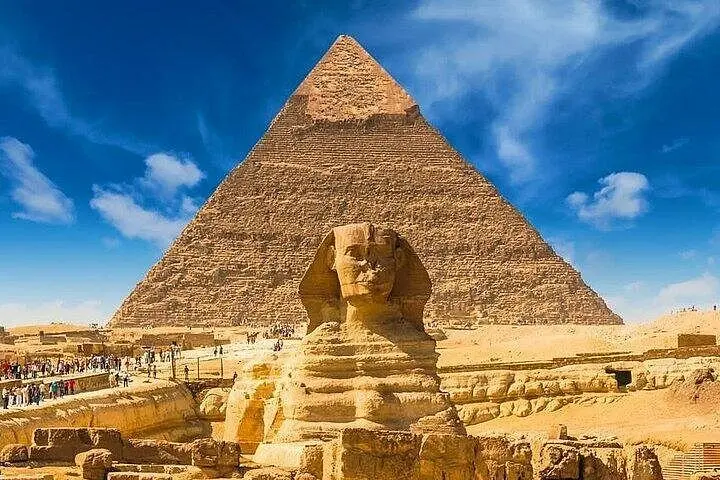
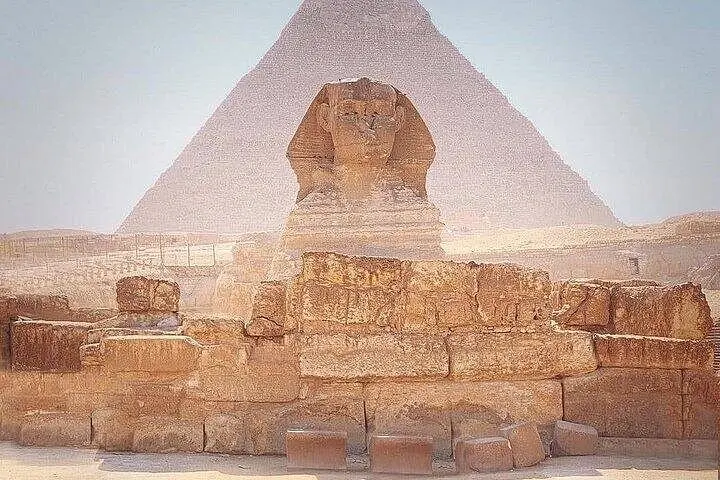
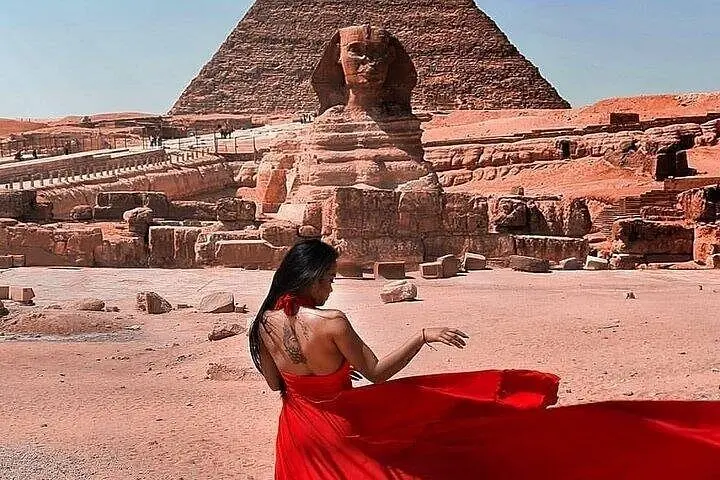
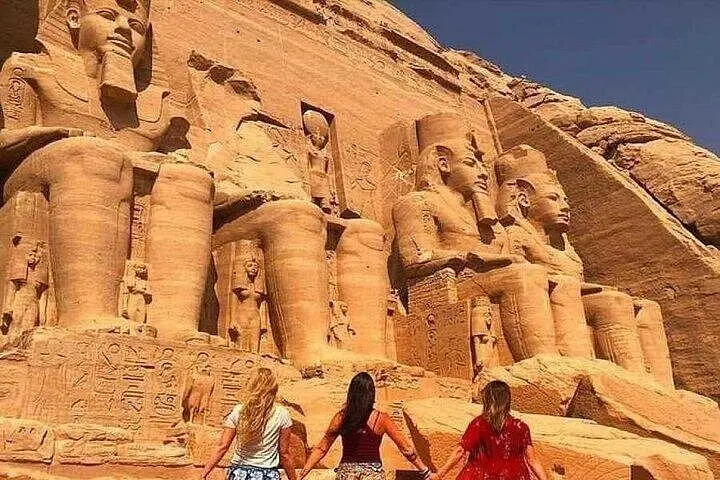
You step out before dawn and the desert cools against your jacket as the Great Pyramid looms, its silhouette splitting the pale sky. By noon you’re in Cairo’s congested streets, the Egyptian Museum’s cool halls offering a sharp contrast to the sun-drenched stone of Luxor’s temple colonnades; by the third day the monumental faces of Abu Simbel stare down from relocated rock, their carved eyes still watching the Nile.
Verified experiences and guided adventures in the surrounding area.
Operated by Emo Tours Swiss · Cairo, Cairo Governorate
You step out before dawn and the desert cools against your jacket as the Great Pyramid looms, its silhouette splitting the pale sky. By noon you’re in Cairo’s congested streets, the Egyptian Museum’s cool halls offering a sharp contrast to the sun-drenched stone of Luxor’s temple colonnades; by the third day the monumental faces of Abu Simbel stare down from relocated rock, their carved eyes still watching the Nile.
This three-day private itinerary threads Egypt’s prime archaeological highlights: Giza’s Old Kingdom pyramids and Sphinx, Cairo’s museum holdings of Pharaonic treasure, Luxor’s East and West Bank complexes (Karnak, Luxor Temple, Valley of the Kings, Hatshepsut), and the New Kingdom grandeur of Abu Simbel near Aswan. Geology and craft appear together — Tura limestone and Giza bedrock shaped the pyramids while Aswan’s pink granite supplied colossi and obelisks. Expect layers of living culture too: Cairo’s Mamluk and Ottoman quarter around Khan El-Khalili and Nubian communities along the Nile south of Aswan.
Practical edge: days are long and driven — pickups use air-conditioned vehicles and most sites charge entrance fees (area-only tickets may apply). Bring sun protection, comfortable shoes for uneven temple steps, and a refillable bottle; modest dress is required at religious and public sites. Aim for early departures to avoid heat and crowds, keep small cash for local purchases and tips, and allow time to absorb each ruin rather than rush through photogenic moments. The trip balances awe with logistics: history is vast, but the best souvenir is time taken to look.
Entry is handled per site; some admissions are included while others may be area‑only—confirm specifically for each monument when booking.
Yes; private air‑conditioned pickup and drop‑off are provided if you supply hotel details at booking.
Meals are not specified as included—plan for local lunches or request meal options when booking.
Many sites have uneven ground and stairs; it’s suitable for those who can walk short distances, but not recommended for travelers with serious back or heart problems.
Emo Tours Swiss operates guided outdoor trips and adventures with an emphasis on safety, stewardship, and memorable experiences.
You step out before dawn and the desert cools against your jacket as the Great Pyramid looms, its silhouette splitting the pale sky. By noon you’re in Cairo’s congested streets, the Egyptian Museum’s cool halls offering a sharp contrast to the sun-drenched stone of Luxor’s temple colonnades; by the third day the monumental faces of Abu Simbel stare down from relocated rock, their carved eyes still watching the Nile.
You step out before dawn and the desert cools against your jacket as the Great Pyramid looms, its silhouette splitting the pale sky. By noon you’re in Cairo’s congested streets, the Egyptian Museum’s cool halls offering a sharp contrast to the sun-drenched stone of Luxor’s temple colonnades; by the third day the monumental faces of Abu Simbel stare down from relocated rock, their carved eyes still watching the Nile.
This three-day private itinerary threads Egypt’s prime archaeological highlights: Giza’s Old Kingdom pyramids and Sphinx, Cairo’s museum holdings of Pharaonic treasure, Luxor’s East and West Bank complexes (Karnak, Luxor Temple, Valley of the Kings, Hatshepsut), and the New Kingdom grandeur of Abu Simbel near Aswan. Geology and craft appear together — Tura limestone and Giza bedrock shaped the pyramids while Aswan’s pink granite supplied colossi and obelisks. Expect layers of living culture too: Cairo’s Mamluk and Ottoman quarter around Khan El-Khalili and Nubian communities along the Nile south of Aswan.
Practical edge: days are long and driven — pickups use air-conditioned vehicles and most sites charge entrance fees (area-only tickets may apply). Bring sun protection, comfortable shoes for uneven temple steps, and a refillable bottle; modest dress is required at religious and public sites. Aim for early departures to avoid heat and crowds, keep small cash for local purchases and tips, and allow time to absorb each ruin rather than rush through photogenic moments. The trip balances awe with logistics: history is vast, but the best souvenir is time taken to look.