THE ADVENTURE COLLECTIVE® · Independent discovery and booking for outdoor travel

Fly from Beijing for a private 3-day cultural and desert excursion to Dunhuang. Explore the Mogao Caves’ frescoes, the Han Great Wall ruins, Jade Gate Pass, and ride the Singing Sand Dunes for a classic Silk Road experience.
Fly from Beijing for a private 3-day cultural and desert excursion to Dunhuang. Explore the Mogao Caves’ frescoes, the Han Great Wall ruins, Jade Gate Pass, and ride the Singing Sand Dunes for a classic Silk Road experience.
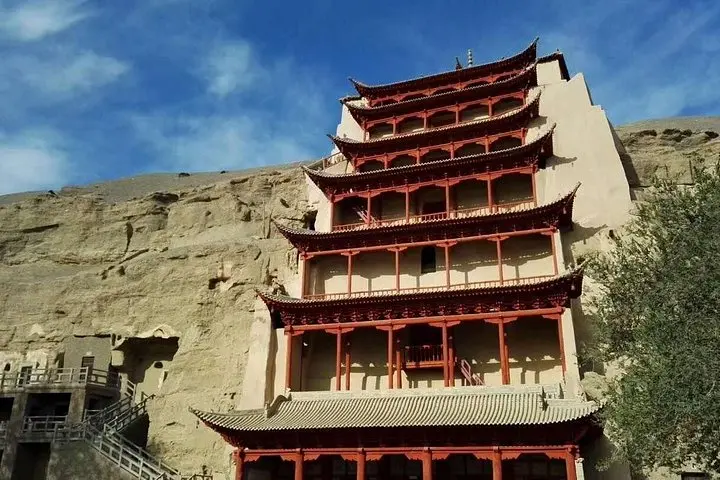
You step out of the dry light onto a stair carved into a cliff face, the desert wind nudging you toward a painted recess where a thousand-year-old Buddha watches with a calm that has weathered empires.
Verified experiences and guided adventures in the surrounding area.
Operated by SilkRoadTrips · Dunhuang, Gansu
You step out of the dry light onto a stair carved into a cliff face, the desert wind nudging you toward a painted recess where a thousand-year-old Buddha watches with a calm that has weathered empires.
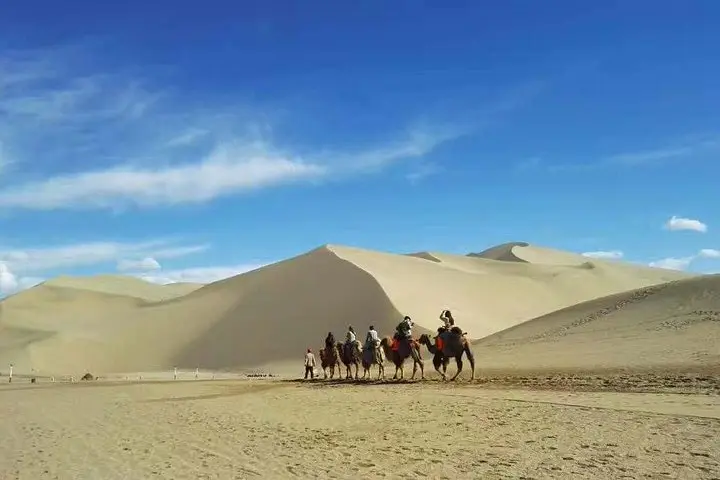
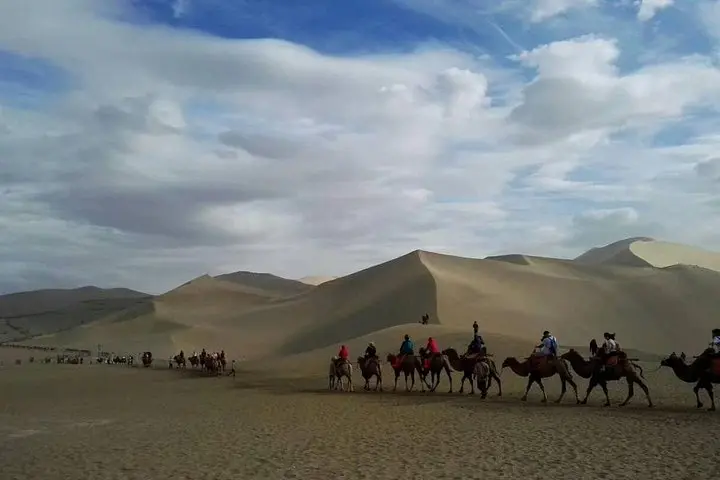
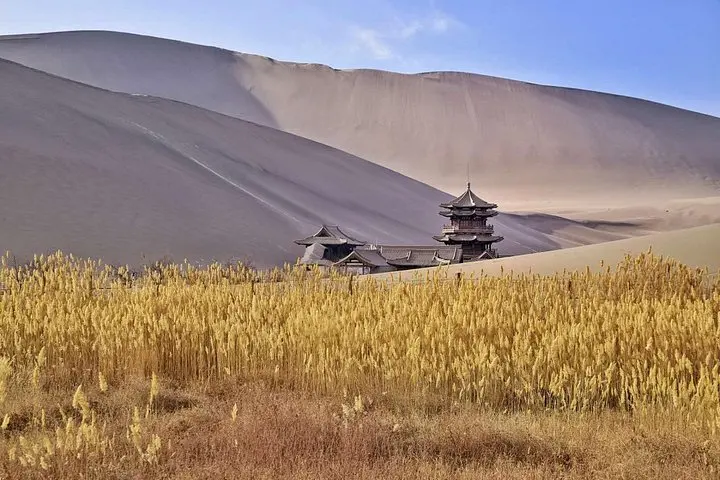
This private 3-day loop moves fast: an early flight from Beijing, guided visits to the Mogao Caves with their layered pigments and carved stupas, an afternoon among the ruins of the Han Great Wall and the Jade Gate Pass, and a morning spent on the Singing Sand Dunes and Crescent Moon Spring with the option to ride camels across rippled sand.
Dunhuang sits where the northern Silk Road veered into the Gobi—geology of wind-carved yardangs and dunes pressing up against exposed loess has shaped trade, pilgrimage, and artistic exchange since the 1st millennium. The caves themselves hold frescoes spanning centuries of Buddhist iconography and careful restoration work; many murals are fragile, and photography rules vary.
Practical note: the itinerary combines short airport transfers, vehicle drives in and around Dunhuang, and several stair-and-path cave visits; expect moderate walking and stairs inside the grotto complex. Carry identification (passport) for tickets, bring sun protection and a reusable water bottle, and plan for temperature swings between desert day and night.
Timing matters—visit early at the caves to avoid crowds and late afternoon at the dunes for softer light. Respect marked paths and no-touch rules in the caves: conservation here keeps these works readable for the next generation of travelers.
Yes; round-trip economy flights between Beijing and Dunhuang are included in the tour price.
All travelers must have a valid passport; visa requirements depend on your nationality and must be arranged before travel.
Yes—camel rides at the Singing Sand Dunes are offered, typically as an optional activity during the morning visit.
Photography rules vary by cave and artwork; flash is generally prohibited and some grottoes may restrict photography entirely—follow your guide’s instructions.
SilkRoadTrips operates guided outdoor trips and adventures with an emphasis on safety, stewardship, and memorable experiences.
You step out of the dry light onto a stair carved into a cliff face, the desert wind nudging you toward a painted recess where a thousand-year-old Buddha watches with a calm that has weathered empires.
You step out of the dry light onto a stair carved into a cliff face, the desert wind nudging you toward a painted recess where a thousand-year-old Buddha watches with a calm that has weathered empires.
This private 3-day loop moves fast: an early flight from Beijing, guided visits to the Mogao Caves with their layered pigments and carved stupas, an afternoon among the ruins of the Han Great Wall and the Jade Gate Pass, and a morning spent on the Singing Sand Dunes and Crescent Moon Spring with the option to ride camels across rippled sand.
Dunhuang sits where the northern Silk Road veered into the Gobi—geology of wind-carved yardangs and dunes pressing up against exposed loess has shaped trade, pilgrimage, and artistic exchange since the 1st millennium. The caves themselves hold frescoes spanning centuries of Buddhist iconography and careful restoration work; many murals are fragile, and photography rules vary.
Practical note: the itinerary combines short airport transfers, vehicle drives in and around Dunhuang, and several stair-and-path cave visits; expect moderate walking and stairs inside the grotto complex. Carry identification (passport) for tickets, bring sun protection and a reusable water bottle, and plan for temperature swings between desert day and night.
Timing matters—visit early at the caves to avoid crowds and late afternoon at the dunes for softer light. Respect marked paths and no-touch rules in the caves: conservation here keeps these works readable for the next generation of travelers.