THE ADVENTURE COLLECTIVE® · Independent discovery and booking for outdoor travel

Fly from Shanghai to Dunhuang for a concentrated, private three-day exploration of the Mogao Caves, Singing Sand Dunes, Crescent Moon Spring and frontier ruins along the Silk Road. Expect frescoed grottoes, wind-swept dunes, and practical tips for desert travel.
Fly from Shanghai to Dunhuang for a concentrated, private three-day exploration of the Mogao Caves, Singing Sand Dunes, Crescent Moon Spring and frontier ruins along the Silk Road. Expect frescoed grottoes, wind-swept dunes, and practical tips for desert travel.
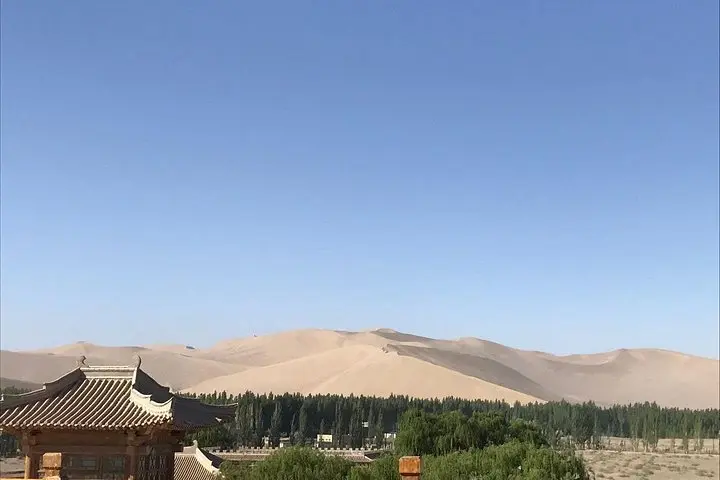
You step off the small flight into an air that tastes of dust and distant salt flats, and the road to Dunhuang opens wide: scrubby plains, wind-sculpted dunes, and a sky that seems to go on forever.
Verified experiences and guided adventures in the surrounding area.
Operated by SilkRoadTrips · Dunhuang, Gansu
You step off the small flight into an air that tastes of dust and distant salt flats, and the road to Dunhuang opens wide: scrubby plains, wind-sculpted dunes, and a sky that seems to go on forever.
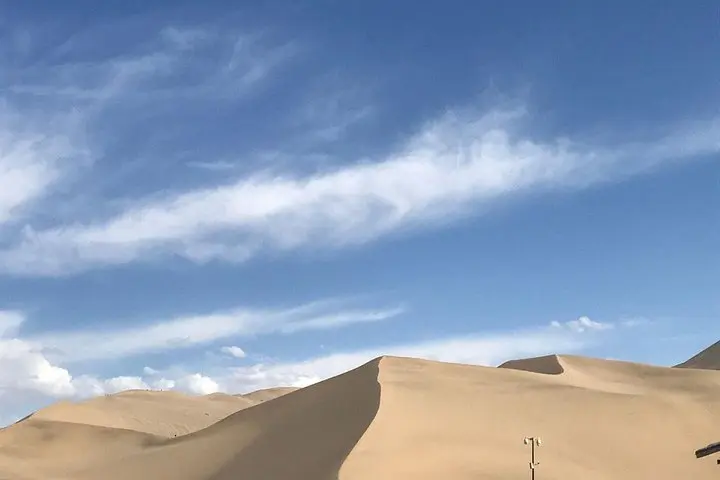
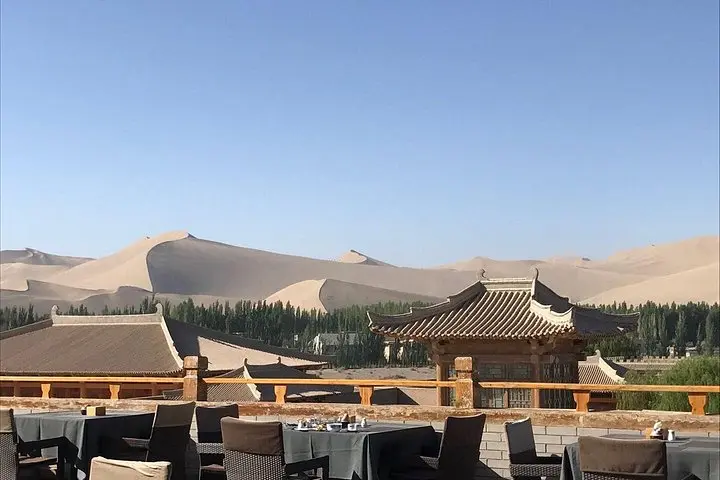
This three-day private tour threads Silk Road history with desert geology. The Mogao Caves—cliffs of soft sandstone honeycombed with Buddhist grottoes—hold frescoes and sculptures dating from the 4th century CE, preserved by the region’s arid climate. Nearby, the Singing Sand Dunes and Crescent Moon Spring reveal how wind and subsurface water sculpt a living desert: sand that hums underfoot and an oasis that refuses to vanish.
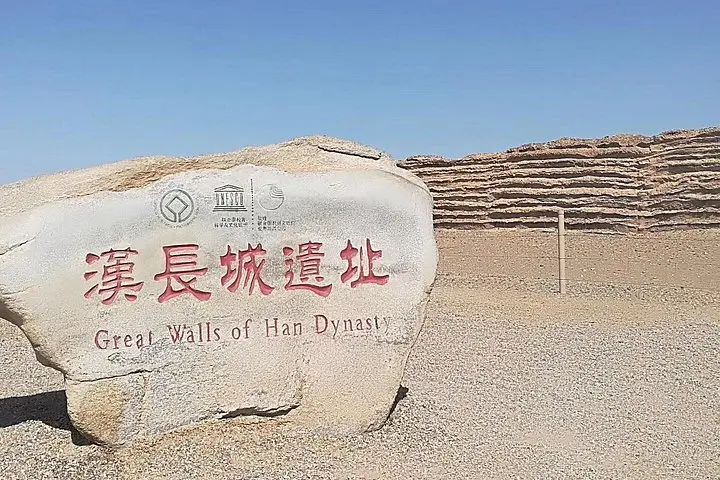
Cultural touchpoints include the Han Great Wall and the Jade Gate Pass, markers of imperial frontier life and trade. Local markets and food stalls introduce simple Gansu flavors—noodles, fresh melons, and skewered meat—while camel caravans hunch against the horizon like slow-moving history.
Practical guidance: plan caves in the morning when light and temperature are steady; photography inside some grottoes is restricted—follow your guide. Expect large temperature swings between day and night, intense sun at midday, and sandy, uneven walking surfaces at dunes and ruins. Bring layered clothing, sun protection, and enough water; the tour includes flights, entrance fees, two lunches and two breakfasts, a private guide, and hotel transfers in Dunhuang. Confirm visas and passport details well before departure, and budget small cash for the night market and optional camel rides. With modest fitness and sensible gear, this trip pairs dramatic desert scenery with one of China’s richest repositories of Silk Road art.
Photography rules vary by grotto; many caves prohibit photography or flash to protect pigments—always follow your guide’s instructions.
The tour is generally suitable for most fitness levels but includes uneven terrain and some steps at historic sites; notify the operator about mobility needs in advance.
Domestic flights within China do not require a visa for passport-holding travelers already admitted to China, but international visitors must ensure their national visa is valid for domestic travel and carry passport information as requested.
Spring and autumn offer milder temperatures and clearer skies; summer is hot and winter can be very cold with strong winds—plan clothing accordingly.
SilkRoadTrips operates guided outdoor trips and adventures with an emphasis on safety, stewardship, and memorable experiences.
You step off the small flight into an air that tastes of dust and distant salt flats, and the road to Dunhuang opens wide: scrubby plains, wind-sculpted dunes, and a sky that seems to go on forever.
You step off the small flight into an air that tastes of dust and distant salt flats, and the road to Dunhuang opens wide: scrubby plains, wind-sculpted dunes, and a sky that seems to go on forever.
This three-day private tour threads Silk Road history with desert geology. The Mogao Caves—cliffs of soft sandstone honeycombed with Buddhist grottoes—hold frescoes and sculptures dating from the 4th century CE, preserved by the region’s arid climate. Nearby, the Singing Sand Dunes and Crescent Moon Spring reveal how wind and subsurface water sculpt a living desert: sand that hums underfoot and an oasis that refuses to vanish.
Cultural touchpoints include the Han Great Wall and the Jade Gate Pass, markers of imperial frontier life and trade. Local markets and food stalls introduce simple Gansu flavors—noodles, fresh melons, and skewered meat—while camel caravans hunch against the horizon like slow-moving history.
Practical guidance: plan caves in the morning when light and temperature are steady; photography inside some grottoes is restricted—follow your guide. Expect large temperature swings between day and night, intense sun at midday, and sandy, uneven walking surfaces at dunes and ruins. Bring layered clothing, sun protection, and enough water; the tour includes flights, entrance fees, two lunches and two breakfasts, a private guide, and hotel transfers in Dunhuang. Confirm visas and passport details well before departure, and budget small cash for the night market and optional camel rides. With modest fitness and sensible gear, this trip pairs dramatic desert scenery with one of China’s richest repositories of Silk Road art.