THE ADVENTURE COLLECTIVE® · Independent discovery and booking for outdoor travel

A compact, high-altitude loop from Salta through the Quebrada de Humahuaca to Hornocal and the Salinas Grandes. Expect colored hills, indigenous markets, colonial churches, and dramatic salt flats over three days.
A compact, high-altitude loop from Salta through the Quebrada de Humahuaca to Hornocal and the Salinas Grandes. Expect colored hills, indigenous markets, colonial churches, and dramatic salt flats over three days.
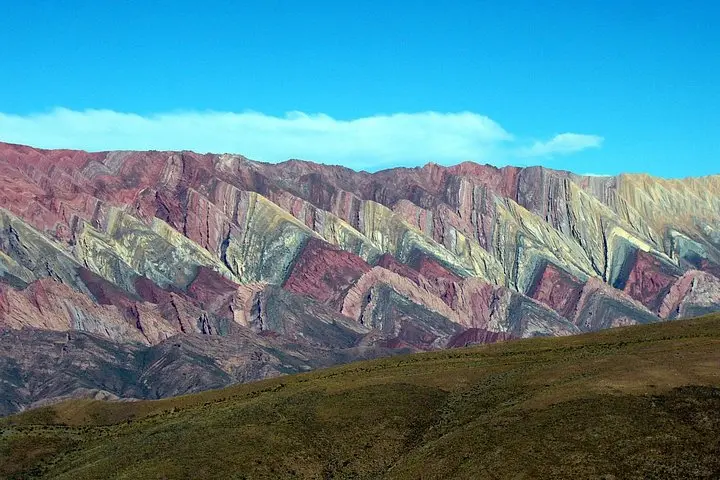
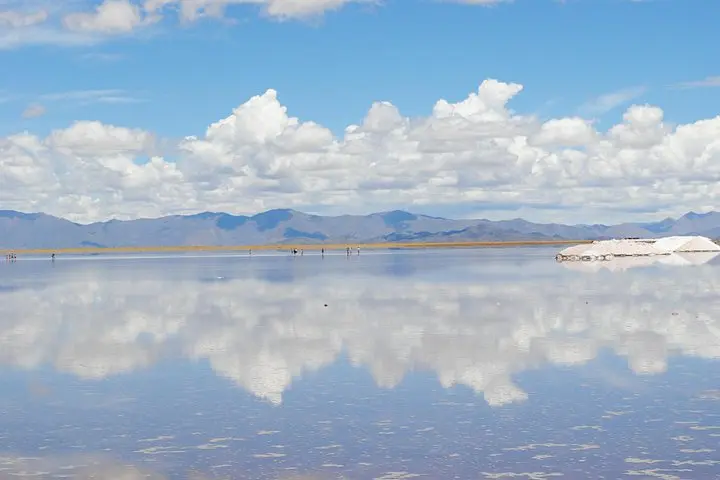
Morning light slices across ochre bands of the Quebrada; wind combs the salt flats into a bright, reflective plain and llamas watch you like quiet sentinels. On this three-day route from Salta you move through changing altitudes and cultures — sugarcane lowlands, colonial towns, and the stark, high-elevation plateau of the Altiplano.
Verified experiences and guided adventures in the surrounding area.
Operated by Poncho Tours · Tilcara, Jujuy
Morning light slices across ochre bands of the Quebrada; wind combs the salt flats into a bright, reflective plain and llamas watch you like quiet sentinels. On this three-day route from Salta you move through changing altitudes and cultures — sugarcane lowlands, colonial towns, and the stark, high-elevation plateau of the Altiplano.
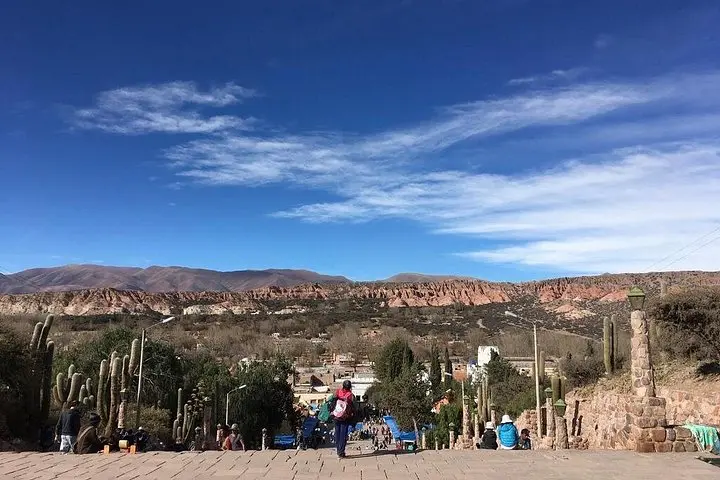
The valley has been a trade corridor since pre-Inca times and today the layered hills of Purmamarca and Hornocal record tectonic thrusts and ancient seas in striking color. Colonial churches in Uquía preserve 17th-century Spanish altar paintings while the fortress ruins above Tilcara speak to indigenous settlement and strategic control of the quebrada.
Culturally, expect strong Quechua and Aymara influences: markets full of woven textiles, plates of quinoa and llama, and communities that still raise llamas on high terraces. Geologically, the 14-Coloured Hill of Hornocal at about 4,344 m is sedimentary rock tilted into a fan of stripes; Salinas Grandes are the evaporated floor of an ancient lake.
Practical edge: altitude matters. Walk the short Devil’s Throat trail slowly, keep hydrated, and sleep low when possible. Days are sunny and dry — sun protection and layers are essential. Most transport and two mid-range hotel nights in Tilcara are included, as are water and snacks; passport required at pickup. For planners: allow a flexible first day in Salta to acclimatize, pack warm nights, and leave extra memory for the market photography.
Yes — a current valid passport is required at pickup for this cross-provincial tour.
You’ll reach roughly 4,300–4,400 m at Hornocal; mild altitude symptoms are common — ascend slowly, hydrate, and avoid strenuous activity on day one.
Two nights’ mid-range hotel in Tilcara, bottled water and snacks are included; plan on paying for lunch in towns and any specialty meals.
The itinerary is physically moderate but not suitable for travelers with serious cardiovascular issues; infants can ride in strollers but check the provider’s age policies.
Poncho Tours operates guided outdoor trips and adventures with an emphasis on safety, stewardship, and memorable experiences.
Morning light slices across ochre bands of the Quebrada; wind combs the salt flats into a bright, reflective plain and llamas watch you like quiet sentinels. On this three-day route from Salta you move through changing altitudes and cultures — sugarcane lowlands, colonial towns, and the stark, high-elevation plateau of the Altiplano.
Morning light slices across ochre bands of the Quebrada; wind combs the salt flats into a bright, reflective plain and llamas watch you like quiet sentinels. On this three-day route from Salta you move through changing altitudes and cultures — sugarcane lowlands, colonial towns, and the stark, high-elevation plateau of the Altiplano.
The valley has been a trade corridor since pre-Inca times and today the layered hills of Purmamarca and Hornocal record tectonic thrusts and ancient seas in striking color. Colonial churches in Uquía preserve 17th-century Spanish altar paintings while the fortress ruins above Tilcara speak to indigenous settlement and strategic control of the quebrada.
Culturally, expect strong Quechua and Aymara influences: markets full of woven textiles, plates of quinoa and llama, and communities that still raise llamas on high terraces. Geologically, the 14-Coloured Hill of Hornocal at about 4,344 m is sedimentary rock tilted into a fan of stripes; Salinas Grandes are the evaporated floor of an ancient lake.
Practical edge: altitude matters. Walk the short Devil’s Throat trail slowly, keep hydrated, and sleep low when possible. Days are sunny and dry — sun protection and layers are essential. Most transport and two mid-range hotel nights in Tilcara are included, as are water and snacks; passport required at pickup. For planners: allow a flexible first day in Salta to acclimatize, pack warm nights, and leave extra memory for the market photography.