THE ADVENTURE COLLECTIVE® · Independent discovery and booking for outdoor travel

Traverse Mughal monuments, dry teak forest and Jaipur’s pink streets on a private 3-day route from Agra to Jaipur with two Ranthambhore safaris. Expect early dawn game drives, private transfers, and close cultural encounters—tiger sightings possible but not guaranteed.
Traverse Mughal monuments, dry teak forest and Jaipur’s pink streets on a private 3-day route from Agra to Jaipur with two Ranthambhore safaris. Expect early dawn game drives, private transfers, and close cultural encounters—tiger sightings possible but not guaranteed.
Sunrise at the Taj Mahal is a hush of marble and light; later the road narrows and the air turns dry and resinous as you approach Ranthambhore. On this three-day private route you'll move from Mughal grandeur in Agra through teak-and-sal forest corridors where the earth smells of dust and guava, and finish amid Jaipur's painted streets.
Verified experiences and guided adventures in the surrounding area.
Operated by Pacific Classic Tours India · Sawai Madhopur, Rajasthan
Sunrise at the Taj Mahal is a hush of marble and light; later the road narrows and the air turns dry and resinous as you approach Ranthambhore. On this three-day private route you'll move from Mughal grandeur in Agra through teak-and-sal forest corridors where the earth smells of dust and guava, and finish amid Jaipur's painted streets.
The itinerary stitches together three distinct stories: the Mughal-era monuments of Agra—Taj Mahal and Agra Fort—, the medieval ramparts of Ranthambhore Fort rising from park jungle, and Jaipur’s 18th-century urban experiment as the Pink City. Geologically the park sits on rocky outcrops and low ridges that create waterholes and scrubland favored by tigers and chital. Local culture is overt: roadside bazaars, temple bells, and the hospitality of Sawai Madhopur that supports lodges and guides.
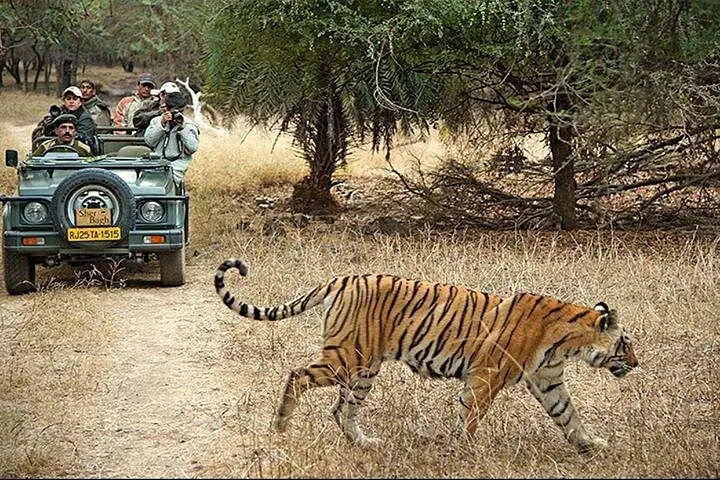
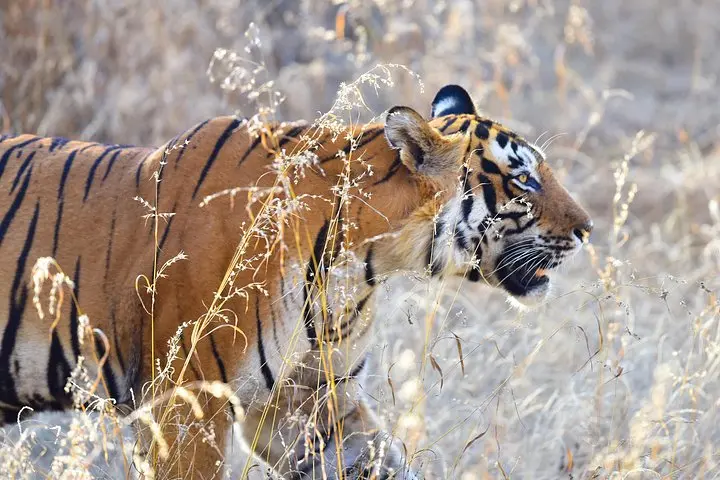
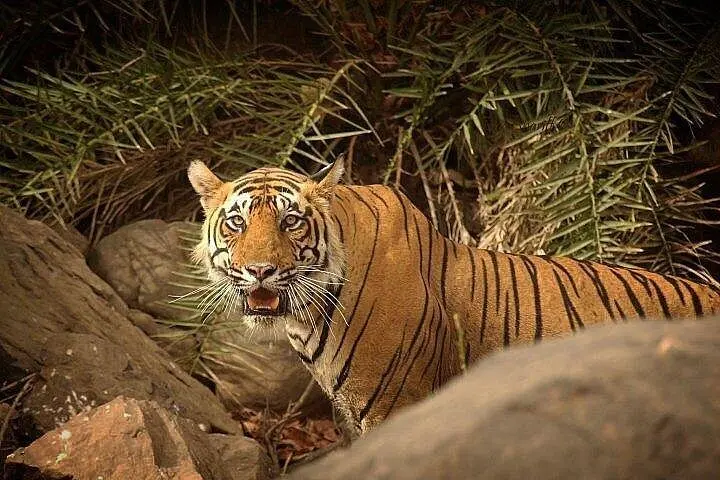
Expect two game drives in Ranthambhore—dawn is when the forest stirs and predators move. Safaris run in shared jeeps or larger canters and are guided by trained naturalists; tiger sightings are possible but never guaranteed. Practical points: travel between Agra, Ranthambhore and Jaipur involves multi-hour drives; carry stamped ID/passport details for permits, bring binoculars, and favor muted clothing that blends with the forest.
Pack sun protection, refillable water, and a camera with a telephoto lens. Move deliberately in the park: the guide sets the pace, respect vehicle rules, and leave no trace. With a private guide and timed transfers, this route balances cultural landmarks with focused wildlife time—efficient, immersive, and rooted in real park rhythm.
No; Ranthambhore has a healthy tiger population but sightings depend on animal movement, season and luck—guides maximize chances using park knowledge.
A valid passport (or national ID for Indian citizens) and passport details are required for park permits and booking; bring copies for drivers and hotels.
Safaris are typically about 3 hours each, done in shared open-jeeps or canters (20-seater) depending on availability and zone.
Yes—vegetarian and other common dietary needs can be arranged if informed at booking; confirm specifics with the operator.
Pacific Classic Tours India operates guided outdoor trips and adventures with an emphasis on safety, stewardship, and memorable experiences.
Sunrise at the Taj Mahal is a hush of marble and light; later the road narrows and the air turns dry and resinous as you approach Ranthambhore. On this three-day private route you'll move from Mughal grandeur in Agra through teak-and-sal forest corridors where the earth smells of dust and guava, and finish amid Jaipur's painted streets.
Sunrise at the Taj Mahal is a hush of marble and light; later the road narrows and the air turns dry and resinous as you approach Ranthambhore. On this three-day private route you'll move from Mughal grandeur in Agra through teak-and-sal forest corridors where the earth smells of dust and guava, and finish amid Jaipur's painted streets.
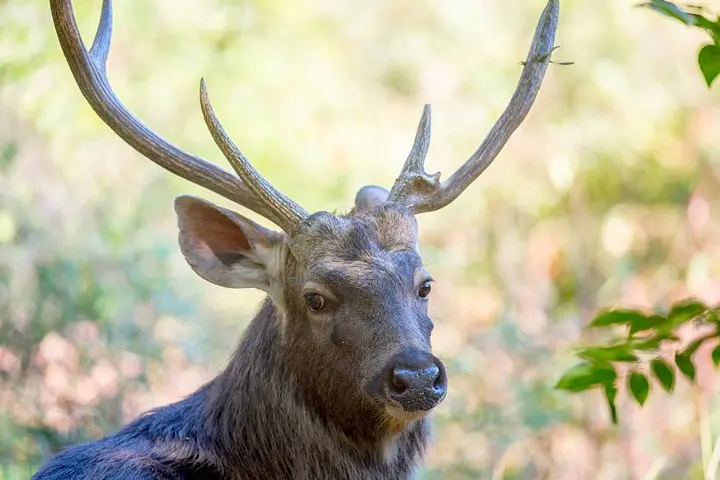
The itinerary stitches together three distinct stories: the Mughal-era monuments of Agra—Taj Mahal and Agra Fort—, the medieval ramparts of Ranthambhore Fort rising from park jungle, and Jaipur’s 18th-century urban experiment as the Pink City. Geologically the park sits on rocky outcrops and low ridges that create waterholes and scrubland favored by tigers and chital. Local culture is overt: roadside bazaars, temple bells, and the hospitality of Sawai Madhopur that supports lodges and guides.
Expect two game drives in Ranthambhore—dawn is when the forest stirs and predators move. Safaris run in shared jeeps or larger canters and are guided by trained naturalists; tiger sightings are possible but never guaranteed. Practical points: travel between Agra, Ranthambhore and Jaipur involves multi-hour drives; carry stamped ID/passport details for permits, bring binoculars, and favor muted clothing that blends with the forest.
Pack sun protection, refillable water, and a camera with a telephoto lens. Move deliberately in the park: the guide sets the pace, respect vehicle rules, and leave no trace. With a private guide and timed transfers, this route balances cultural landmarks with focused wildlife time—efficient, immersive, and rooted in real park rhythm.