THE ADVENTURE COLLECTIVE® · Independent discovery and booking for outdoor travel

Cross a world of white glass and blood-red lagoons on this 3-day guided loop from Uyuni. Expect high-altitude vistas, flamingos, geothermal features and shared, basic accommodation as you explore the Bolivian altiplano.
Cross a world of white glass and blood-red lagoons on this 3-day guided loop from Uyuni. Expect high-altitude vistas, flamingos, geothermal features and shared, basic accommodation as you explore the Bolivian altiplano.
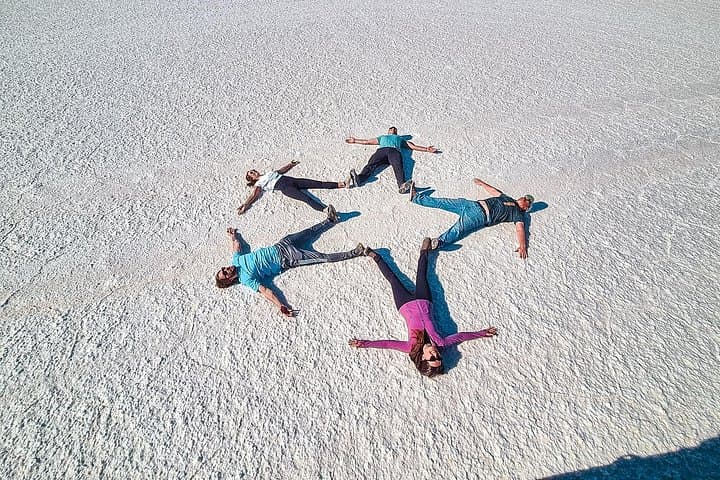
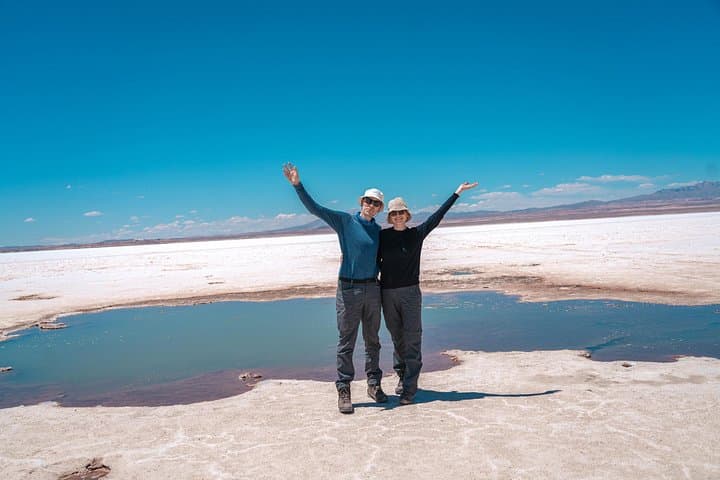
The morning light on the salt flats is surgical — a hard, white plane that makes the horizon disappear and the air feel thinner with every breath.
Verified experiences and guided adventures in the surrounding area.
Operated by Fer de Lipez – Uyuni Salt Flats Tours · Uyuni, Potosí Department
The morning light on the salt flats is surgical — a hard, white plane that makes the horizon disappear and the air feel thinner with every breath.
Begin in Uyuni and drive into a world of blown glass salt, wind-carved rocks and lagoons so intensely colored they seem painted. Day one crosses the Salar de Uyuni where Incahuasi Island rises like an island of giant cacti and fossilized coral; the surface here is firm but brittle, a mosaic of hexagons. The route then climbs into the Eduardo Avaroa Reserve, a high-altitude plateau carved by volcanic action and mineral-rich waters.
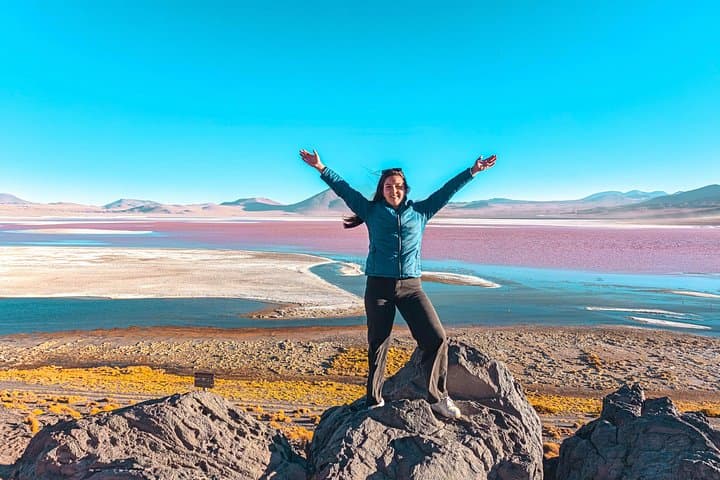
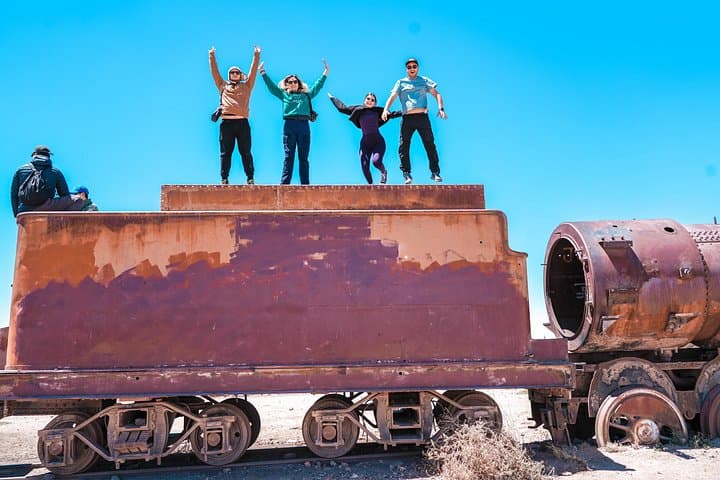
History and geology sit side by side: abandoned 19th-century trains at the Train Graveyard mark the region’s mining past, while the red hues of Laguna Colorada come from algae and suspended sediments created by neighboring volcanoes.
Culture arrives in small towns like Colchani, where salt artisans and alpaca weavers still shape livelihoods from the land’s raw materials. Flamingos feed in mineral lagoons, and the geysers dare you close with steam and sulfurous breath.
Practical guidance: this is a three-day, high-altitude trip — plan 48–72 hours of acclimatization if possible, drink water often, and pack warm layers for nights that plunge below freezing. Vehicles are 4x4; expect long stretches on gravel and salt crust. Accommodation is basic, shared, and included. Bring cash for souvenirs and a good camera with a protective case; salt and wind are relentless partners.
This is a compact, sensory-rich loop where landscape and logistics are equal parts wonder and work.
Most stops range from 3,700 to over 5,000 meters; some travelers experience mild symptoms — acclimatize, hydrate, ascend slowly and consult a doctor about medication if concerned.
Shared basic hostels or salt hotels with communal facilities are standard; bring a warm sleeping bag (one may be provided) and expect simple comforts.
For mirror reflections, the rainy season (Dec–Mar) floods parts of the Salar; for expansive dry crust and easier driving, the dry season (May–Oct) is preferable.
This tour includes 4x4 transport, most meals, entrance fees, and an English-speaking guide; confirm specifics like dietary needs and pickup location when booking.
Fer de Lipez – Uyuni Salt Flats Tours operates guided outdoor trips and adventures with an emphasis on safety, stewardship, and memorable experiences.
The morning light on the salt flats is surgical — a hard, white plane that makes the horizon disappear and the air feel thinner with every breath.
The morning light on the salt flats is surgical — a hard, white plane that makes the horizon disappear and the air feel thinner with every breath.
Begin in Uyuni and drive into a world of blown glass salt, wind-carved rocks and lagoons so intensely colored they seem painted. Day one crosses the Salar de Uyuni where Incahuasi Island rises like an island of giant cacti and fossilized coral; the surface here is firm but brittle, a mosaic of hexagons. The route then climbs into the Eduardo Avaroa Reserve, a high-altitude plateau carved by volcanic action and mineral-rich waters.
History and geology sit side by side: abandoned 19th-century trains at the Train Graveyard mark the region’s mining past, while the red hues of Laguna Colorada come from algae and suspended sediments created by neighboring volcanoes.
Culture arrives in small towns like Colchani, where salt artisans and alpaca weavers still shape livelihoods from the land’s raw materials. Flamingos feed in mineral lagoons, and the geysers dare you close with steam and sulfurous breath.
Practical guidance: this is a three-day, high-altitude trip — plan 48–72 hours of acclimatization if possible, drink water often, and pack warm layers for nights that plunge below freezing. Vehicles are 4x4; expect long stretches on gravel and salt crust. Accommodation is basic, shared, and included. Bring cash for souvenirs and a good camera with a protective case; salt and wind are relentless partners.
This is a compact, sensory-rich loop where landscape and logistics are equal parts wonder and work.