THE ADVENTURE COLLECTIVE® · Independent discovery and booking for outdoor travel

A three-day fly-in safari from Zanzibar to Ruaha National Park pairs short charter flights with intensive game drives along the Great Ruaha River. Discover wide savanna, dense riverside wildlife, and comfortable river camp nights in one efficient itinerary.
A three-day fly-in safari from Zanzibar to Ruaha National Park pairs short charter flights with intensive game drives along the Great Ruaha River. Discover wide savanna, dense riverside wildlife, and comfortable river camp nights in one efficient itinerary.
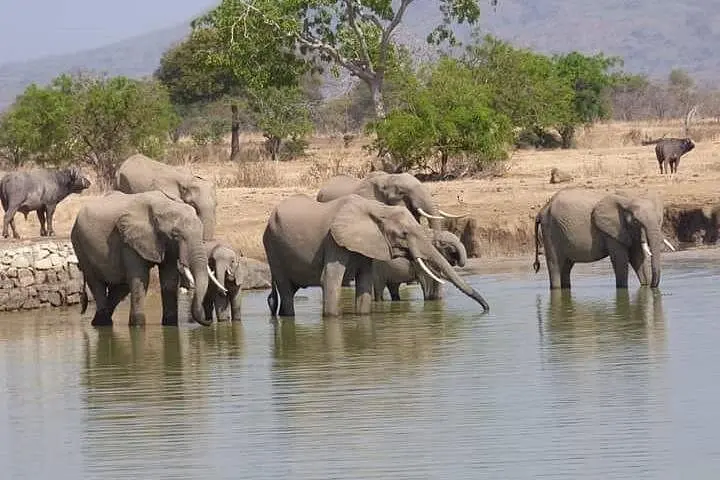
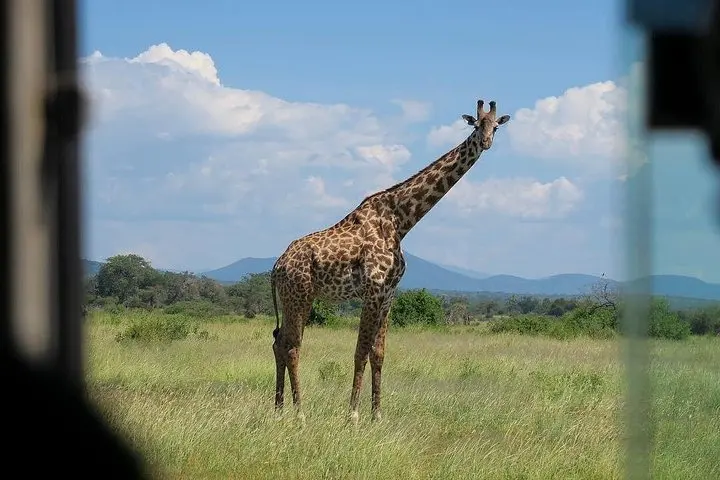
The morning plane drops below a wall of red earth and baobabs; the Great Ruaha River glints like a silver ribbon and, before charters unload, a giraffe silhouette crosses the strip. This is Ruaha: wide skies, river corridors crowded with thirsty game, and camps that sit quietly where the bush meets the water.
Verified experiences and guided adventures in the surrounding area.
Operated by Experience Zanzibar Tours & Safaris · Msembe (Ruaha National Park), Iringa Region
The morning plane drops below a wall of red earth and baobabs; the Great Ruaha River glints like a silver ribbon and, before charters unload, a giraffe silhouette crosses the strip. This is Ruaha: wide skies, river corridors crowded with thirsty game, and camps that sit quietly where the bush meets the water.
Ruaha is Tanzania’s largest national park, shaped by ancient rivers cutting through Precambrian rock. Human history here ranges from pastoral iron-age communities to modern conservation efforts; the region’s culture is rooted in Hehe and Sangu peoples whose grazing routes shaped the savanna mosaic. Geologically, Ruaha alternates rocky ridges and wide alluvial floodplains, producing high wildlife density along the Great Ruaha River during the dry season.
Expect full- and half-day game drives from a river camp, a sunrise drive on day three, and picnic lunches beside oxbow pools. Birders will note upwards of 350 species; predators concentrate near permanent water. Camps are comfortable but remote — power can be limited and game-viewing often replaces long hikes.
Practical guidance: travel light for the small aircraft (follow luggage limits), time outings for early morning and late afternoon when animals are active, and carry a reusable water bottle and sun protection. Footwear should be comfortable for short bush walks and transfers. Anti-malarial precautions and a basic first-aid kit are recommended. Photography benefits from a telephoto lens; binoculars and layered clothing help bridge cool mornings and hot afternoons. With flights linking Zanzibar and Msembe, this compact three-day itinerary is an efficient way to reach one of East Africa’s least-traveled, most rewarding wildernesses.
The itinerary uses a charter flight from Zanzibar or Dar es Salaam to Msembe/Jongomero airstrip; transfers to camp are included—confirm luggage limits with the operator.
Game drives are vehicle-based and generally suitable for most ages; those with severe mobility issues should check vehicle access and camp facilities in advance.
Yellow fever vaccination may be required depending on travel history; malaria prophylaxis, routine vaccines, and travel clinic advice are recommended before travel.
The dry season (June–October) concentrates wildlife at waterholes for easier viewing; the green season (March–May) offers birding, lush landscapes, and dramatic rains but road conditions can worsen.
Experience Zanzibar Tours & Safaris operates guided outdoor trips and adventures with an emphasis on safety, stewardship, and memorable experiences.
The morning plane drops below a wall of red earth and baobabs; the Great Ruaha River glints like a silver ribbon and, before charters unload, a giraffe silhouette crosses the strip. This is Ruaha: wide skies, river corridors crowded with thirsty game, and camps that sit quietly where the bush meets the water.
The morning plane drops below a wall of red earth and baobabs; the Great Ruaha River glints like a silver ribbon and, before charters unload, a giraffe silhouette crosses the strip. This is Ruaha: wide skies, river corridors crowded with thirsty game, and camps that sit quietly where the bush meets the water.
Ruaha is Tanzania’s largest national park, shaped by ancient rivers cutting through Precambrian rock. Human history here ranges from pastoral iron-age communities to modern conservation efforts; the region’s culture is rooted in Hehe and Sangu peoples whose grazing routes shaped the savanna mosaic. Geologically, Ruaha alternates rocky ridges and wide alluvial floodplains, producing high wildlife density along the Great Ruaha River during the dry season.
Expect full- and half-day game drives from a river camp, a sunrise drive on day three, and picnic lunches beside oxbow pools. Birders will note upwards of 350 species; predators concentrate near permanent water. Camps are comfortable but remote — power can be limited and game-viewing often replaces long hikes.
Practical guidance: travel light for the small aircraft (follow luggage limits), time outings for early morning and late afternoon when animals are active, and carry a reusable water bottle and sun protection. Footwear should be comfortable for short bush walks and transfers. Anti-malarial precautions and a basic first-aid kit are recommended. Photography benefits from a telephoto lens; binoculars and layered clothing help bridge cool mornings and hot afternoons. With flights linking Zanzibar and Msembe, this compact three-day itinerary is an efficient way to reach one of East Africa’s least-traveled, most rewarding wildernesses.