THE ADVENTURE COLLECTIVE® · Independent discovery and booking for outdoor travel

Three days that move from Cusco’s cobbled streets through the Sacred Valley to Machu Picchu, ending with the high, color-striated slopes of Rainbow Mountain. Expect altitude, ancient engineering, and long but rewarding hiking days.
Three days that move from Cusco’s cobbled streets through the Sacred Valley to Machu Picchu, ending with the high, color-striated slopes of Rainbow Mountain. Expect altitude, ancient engineering, and long but rewarding hiking days.
Dawn breaks over Cusco and the thin air bites with clarity as the van threads stone streets toward the Sacred Valley. By the time you step onto the agricultural terraces of Moray, the land feels alive—soil and stone conducting centuries of Inca ingenuity. Later, the train hums down toward Aguas Calientes and Machu Picchu rises out of cloud like a place reasserting itself.
Verified experiences and guided adventures in the surrounding area.
Operated by Inca Jungle Trek | Sap Adventures · Cusco, Cusco
Dawn breaks over Cusco and the thin air bites with clarity as the van threads stone streets toward the Sacred Valley. By the time you step onto the agricultural terraces of Moray, the land feels alive—soil and stone conducting centuries of Inca ingenuity. Later, the train hums down toward Aguas Calientes and Machu Picchu rises out of cloud like a place reasserting itself.
This three-day loop covers key threads of Andean history and geology: Inca terrace farming and the salt pans of Maras; the granite ridges and river-carved canyons that made Machu Picchu both defensible and sacred; and the high, oxidized mineral soils that paint Vinicunca, the "Rainbow Mountain," in bands of rust and ochre. Local Quechua communities still weave and farm using techniques passed through generations, and small restaurants in Aguas Calientes serve coca tea—traditional aid against altitude.
Practically, expect long travel days and altitudes from ~2,400 m at Machu Picchu to roughly 5,200 m at Rainbow Mountain. Walks at Machu Picchu are on uneven stone paths; the Rainbow Mountain hike includes steep, exposed sections and can be icy in the shoulder seasons. Acclimatize in Cusco for 24–48 hours if possible, carry layers and a hydration system, and time your camera for early light to avoid crowds. Guides manage permits and trains, but bring cash for small purchases and tip guides who help make the logistics seamless. With basic fitness and altitude respect, this itinerary offers raw Andean landscapes, layered history, and the kind of views that demand a slow inhale.
Yes—spend 24–48 hours in Cusco with light activity to help your body adjust to ~3,400 m before visiting higher sites.
The standard itinerary includes entrance tickets for Machu Picchu and Rainbow Mountain plus the Ollantaytambo→Aguas Calientes train, but confirm what your booking covers.
The hike is steep and reaches around 5,200 m; expect 1–2 hours uphill with possible breathlessness—use trekking poles if you have them.
Family participation depends on fitness and altitude tolerance; operators generally recommend moderate fitness and assess case-by-case.
Inca Jungle Trek | Sap Adventures operates guided outdoor trips and adventures with an emphasis on safety, stewardship, and memorable experiences.

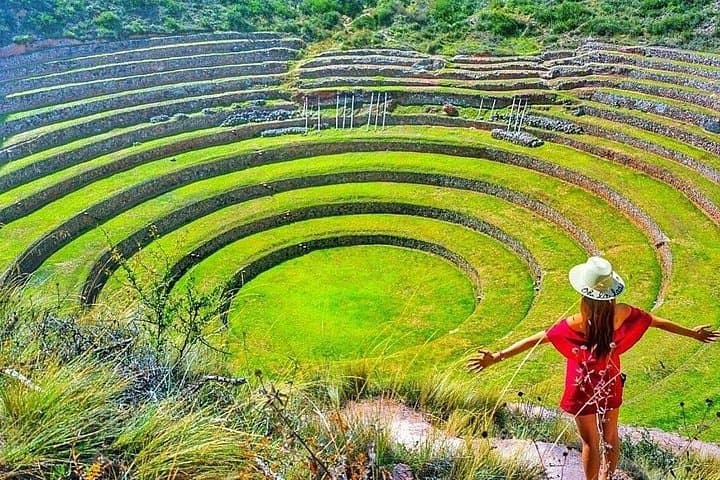
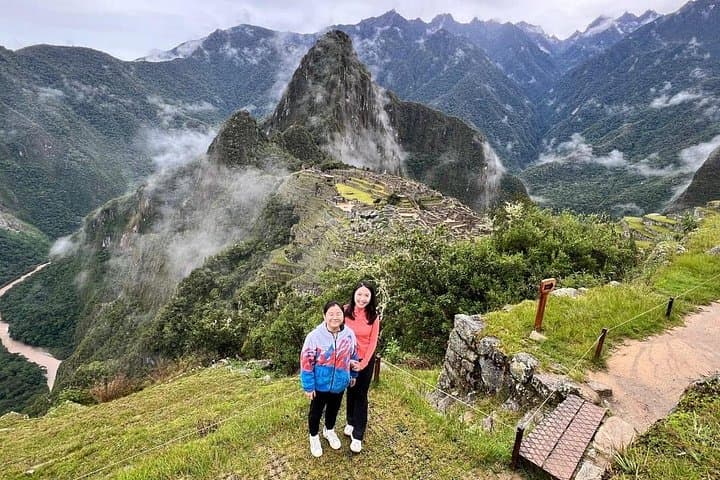
Dawn breaks over Cusco and the thin air bites with clarity as the van threads stone streets toward the Sacred Valley. By the time you step onto the agricultural terraces of Moray, the land feels alive—soil and stone conducting centuries of Inca ingenuity. Later, the train hums down toward Aguas Calientes and Machu Picchu rises out of cloud like a place reasserting itself.
Dawn breaks over Cusco and the thin air bites with clarity as the van threads stone streets toward the Sacred Valley. By the time you step onto the agricultural terraces of Moray, the land feels alive—soil and stone conducting centuries of Inca ingenuity. Later, the train hums down toward Aguas Calientes and Machu Picchu rises out of cloud like a place reasserting itself.
This three-day loop covers key threads of Andean history and geology: Inca terrace farming and the salt pans of Maras; the granite ridges and river-carved canyons that made Machu Picchu both defensible and sacred; and the high, oxidized mineral soils that paint Vinicunca, the "Rainbow Mountain," in bands of rust and ochre. Local Quechua communities still weave and farm using techniques passed through generations, and small restaurants in Aguas Calientes serve coca tea—traditional aid against altitude.
Practically, expect long travel days and altitudes from ~2,400 m at Machu Picchu to roughly 5,200 m at Rainbow Mountain. Walks at Machu Picchu are on uneven stone paths; the Rainbow Mountain hike includes steep, exposed sections and can be icy in the shoulder seasons. Acclimatize in Cusco for 24–48 hours if possible, carry layers and a hydration system, and time your camera for early light to avoid crowds. Guides manage permits and trains, but bring cash for small purchases and tip guides who help make the logistics seamless. With basic fitness and altitude respect, this itinerary offers raw Andean landscapes, layered history, and the kind of views that demand a slow inhale.