THE ADVENTURE COLLECTIVE® · Independent discovery and booking for outdoor travel

Three days of Sacred Valley archaeology and a guided Machu Picchu visit, linked by a scenic train ride along the Vilcanota River. This compact itinerary mixes easy-to-moderate walking with cultural highlights—ideal for travelers short on time but keen on Inca history.
Three days of Sacred Valley archaeology and a guided Machu Picchu visit, linked by a scenic train ride along the Vilcanota River. This compact itinerary mixes easy-to-moderate walking with cultural highlights—ideal for travelers short on time but keen on Inca history.
Dawn breaks over the terraced shoulders of the Sacred Valley as your minivan peels away from Cusco’s highstone streets, the air thin and bright with the Andes pressing close. On day one you trade city stone for agricultural amphitheaters—Pisac’s cliffside ruins and the living market of woven belts and silver—before settling in Ollantaytambo where centuries-old stonework faces the valley.
Verified experiences and guided adventures in the surrounding area.
Operated by Machupicchu Latin America · Cusco, Cusco Region
Dawn breaks over the terraced shoulders of the Sacred Valley as your minivan peels away from Cusco’s highstone streets, the air thin and bright with the Andes pressing close. On day one you trade city stone for agricultural amphitheaters—Pisac’s cliffside ruins and the living market of woven belts and silver—before settling in Ollantaytambo where centuries-old stonework faces the valley.
The route threads Inca agricultural experiments at Moray—concentric bowls that read like an ancient climatic laboratory—and the salt pans of Maras, a patchwork of shallow wells hewn into a mountainside. Geologically the Sacred Valley rides a faulted valley carved by the Vilcanota River; altitude shapes everything here, from potato terraces to breathlessness at 3,400 m in Cusco and 2,430 m at Machu Picchu.
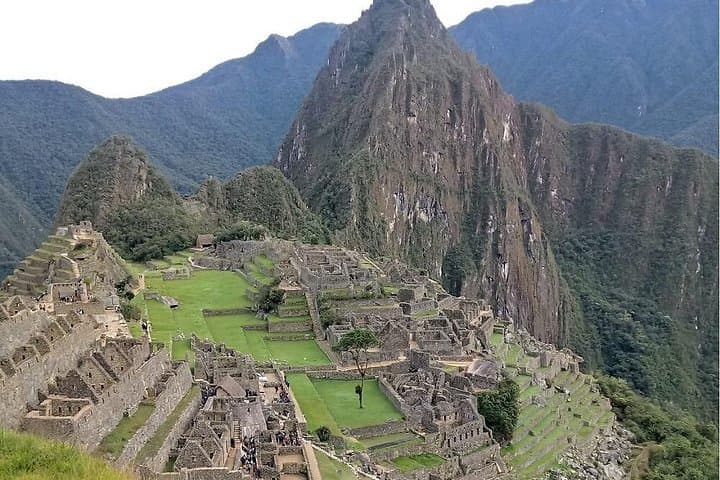
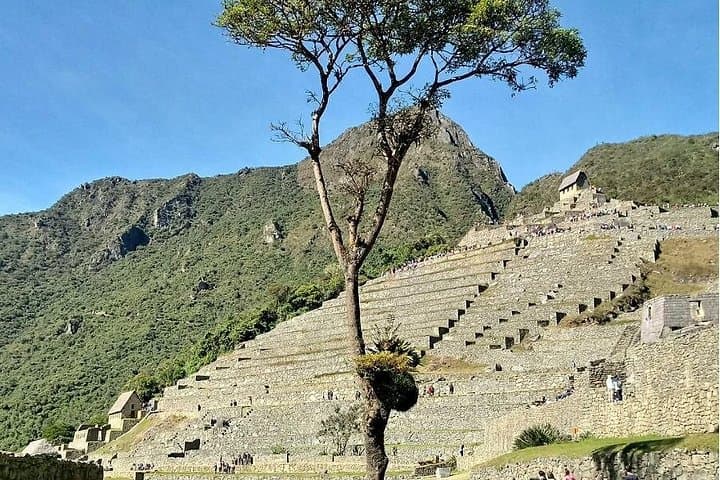
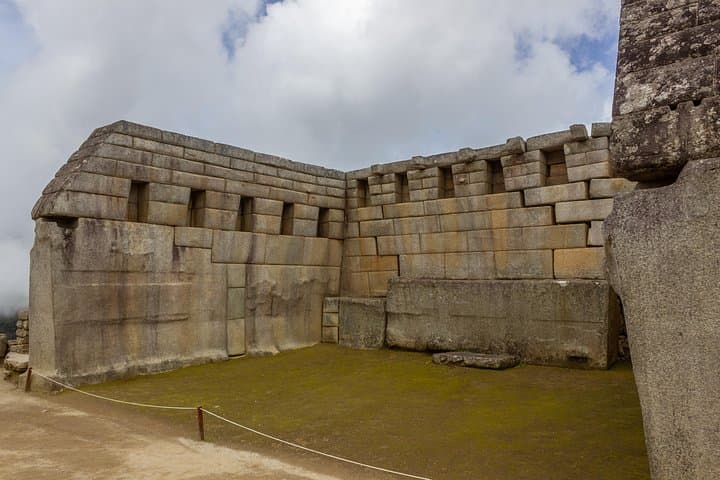
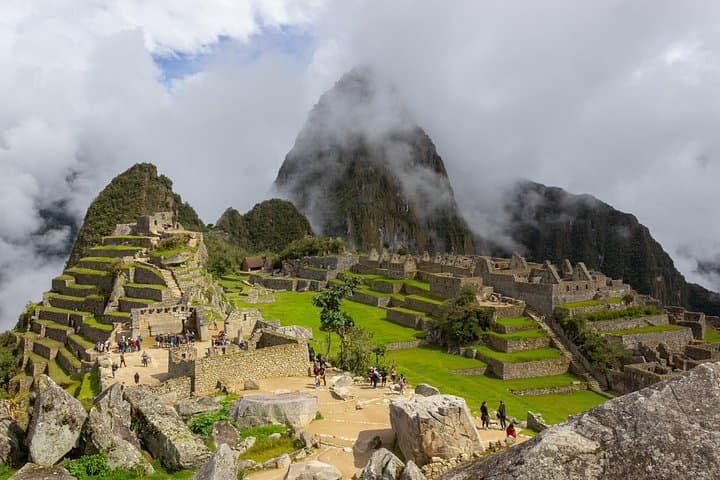
A morning train along the river valley delivers you to Aguas Calientes, the gateway town, and a 30-minute shuttle climbs the switchbacks to Machu Picchu’s stone plazas. Expect uneven Inca stairs, short steep gains under 200 m from the gate up to key viewpoints, and sweeping panoramas that frame Huayna Picchu’s serrated ridge.
Practical edge: acclimatize in Cusco or Ollantaytambo, drink water, and pack layered clothing for sun, wind, and sudden showers. Book trains and site tickets early, carry your passport (required), and prepare for guided walks of 2–4 hours with frequent stops for history and photography. The itinerary balances cultural context with accessible walking—perfect for travelers who want a driven, well-paced introduction to the Inca heartland.
Yes—your current valid passport is required on the day of travel and must match booking details.
The guided visit involves uneven stone steps and short steep sections but no technical climbing; expect 2–4 hours of walking with stops.
Train rides between Ollantaytambo and Aguas Calientes and guided Machu Picchu entrance are included in the itinerary, but some meals are not.
Yes—the 3-day program is designed for travelers with limited time, concentrating key Sacred Valley sites and a Machu Picchu visit.
Machupicchu Latin America operates guided outdoor trips and adventures with an emphasis on safety, stewardship, and memorable experiences.
Dawn breaks over the terraced shoulders of the Sacred Valley as your minivan peels away from Cusco’s highstone streets, the air thin and bright with the Andes pressing close. On day one you trade city stone for agricultural amphitheaters—Pisac’s cliffside ruins and the living market of woven belts and silver—before settling in Ollantaytambo where centuries-old stonework faces the valley.
Dawn breaks over the terraced shoulders of the Sacred Valley as your minivan peels away from Cusco’s highstone streets, the air thin and bright with the Andes pressing close. On day one you trade city stone for agricultural amphitheaters—Pisac’s cliffside ruins and the living market of woven belts and silver—before settling in Ollantaytambo where centuries-old stonework faces the valley.
The route threads Inca agricultural experiments at Moray—concentric bowls that read like an ancient climatic laboratory—and the salt pans of Maras, a patchwork of shallow wells hewn into a mountainside. Geologically the Sacred Valley rides a faulted valley carved by the Vilcanota River; altitude shapes everything here, from potato terraces to breathlessness at 3,400 m in Cusco and 2,430 m at Machu Picchu.
A morning train along the river valley delivers you to Aguas Calientes, the gateway town, and a 30-minute shuttle climbs the switchbacks to Machu Picchu’s stone plazas. Expect uneven Inca stairs, short steep gains under 200 m from the gate up to key viewpoints, and sweeping panoramas that frame Huayna Picchu’s serrated ridge.
Practical edge: acclimatize in Cusco or Ollantaytambo, drink water, and pack layered clothing for sun, wind, and sudden showers. Book trains and site tickets early, carry your passport (required), and prepare for guided walks of 2–4 hours with frequent stops for history and photography. The itinerary balances cultural context with accessible walking—perfect for travelers who want a driven, well-paced introduction to the Inca heartland.