THE ADVENTURE COLLECTIVE® · Independent discovery and booking for outdoor travel

Three days of classic northern Tanzania wildlife viewing: Tarangire’s elephants, Lake Manyara’s flamingo-studded flats, and the Ngorongoro Crater’s dense predator populations. Practical route notes, geology, and packing tips to prepare for long drives and big sightings.
Three days of classic northern Tanzania wildlife viewing: Tarangire’s elephants, Lake Manyara’s flamingo-studded flats, and the Ngorongoro Crater’s dense predator populations. Practical route notes, geology, and packing tips to prepare for long drives and big sightings.
Dawn arrives like an alarm over the rift valley—gold light slicing through acacia branches as the Land Cruiser edges along a dust-colored track.
Verified experiences and guided adventures in the surrounding area.
Operated by Orkiu_adventure · Arusha, Arusha Region
Dawn arrives like an alarm over the rift valley—gold light slicing through acacia branches as the Land Cruiser edges along a dust-colored track.
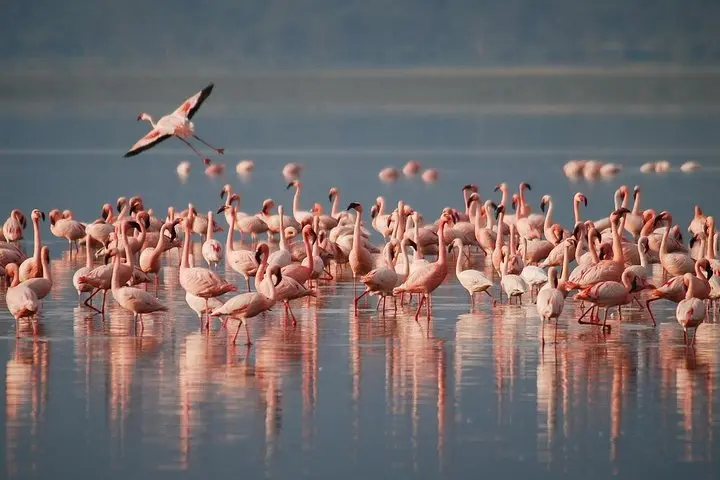
On a three-day loop from Arusha you trade asphalt for savanna and soda flats: Tarangire’s baobab-studded plains crackle with elephant herds, Lake Manyara’s shallow alkaline waters blush with flamingos, and the Ngorongoro Crater drops away in a near-circular amphitheater where lion prides and black rhino still persist.
Geology here reads like a field guide: the Ngorongoro caldera is a collapsed volcanic cone roughly 20 km across with a rim some 600–700 m above the crater floor. Lake Manyara sits along the East African Rift and supports a wetland-lake complex; Tarangire’s river system sustains seasonal concentrations of wildlife.
The Maasai have grazed these slopes for generations; their presence shapes land use and conservation policy—Ngorongoro is a UNESCO World Heritage site and a working conservation landscape.
Practical guidance: plan early starts—predators are most active at dawn and dusk—and allow long drives between parks (Arusha to Tarangire ~2–3 hours; to Ngorongoro 3–4 hours). Expect rough dirt roads and bumpy piste; pack layered clothing for cool mornings on the crater rim and strong sun in the midday plains. Bring a 300mm+ lens or good binoculars for distant subjects, and carry cash for park fees and tipping local guides.
This itinerary delivers concentrated, classic East African game viewing across contrasting habitats—riverine woodland, soda lake, and high-altitude caldera—best approached with patience, early starts, and respect for wildlife distances.
The dry months (June–October) concentrate wildlife around water and provide clearer roads, but short rains (November) and long rains (March–May) can offer lush scenery and fewer visitors.
Park fees vary by park and are often separate from basic tour costs; confirm with the operator—many accept cash or card but carry some local currency for contingencies.
The itinerary is generally family-friendly but not recommended for travelers with serious spinal, heart conditions, or pregnancy due to bumpy roads and remote locations; check operator restrictions before booking.
Some operators include short, supervised walking safaris in designated areas—ask in advance, as walking options depend on permits, season, and local rules.
Orkiu_adventure operates guided outdoor trips and adventures with an emphasis on safety, stewardship, and memorable experiences.
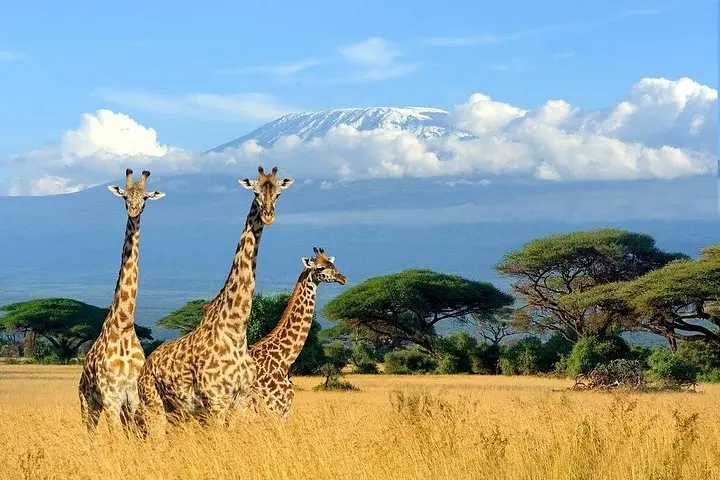
Dawn arrives like an alarm over the rift valley—gold light slicing through acacia branches as the Land Cruiser edges along a dust-colored track.
Dawn arrives like an alarm over the rift valley—gold light slicing through acacia branches as the Land Cruiser edges along a dust-colored track.
On a three-day loop from Arusha you trade asphalt for savanna and soda flats: Tarangire’s baobab-studded plains crackle with elephant herds, Lake Manyara’s shallow alkaline waters blush with flamingos, and the Ngorongoro Crater drops away in a near-circular amphitheater where lion prides and black rhino still persist.
Geology here reads like a field guide: the Ngorongoro caldera is a collapsed volcanic cone roughly 20 km across with a rim some 600–700 m above the crater floor. Lake Manyara sits along the East African Rift and supports a wetland-lake complex; Tarangire’s river system sustains seasonal concentrations of wildlife.
The Maasai have grazed these slopes for generations; their presence shapes land use and conservation policy—Ngorongoro is a UNESCO World Heritage site and a working conservation landscape.
Practical guidance: plan early starts—predators are most active at dawn and dusk—and allow long drives between parks (Arusha to Tarangire ~2–3 hours; to Ngorongoro 3–4 hours). Expect rough dirt roads and bumpy piste; pack layered clothing for cool mornings on the crater rim and strong sun in the midday plains. Bring a 300mm+ lens or good binoculars for distant subjects, and carry cash for park fees and tipping local guides.
This itinerary delivers concentrated, classic East African game viewing across contrasting habitats—riverine woodland, soda lake, and high-altitude caldera—best approached with patience, early starts, and respect for wildlife distances.