THE ADVENTURE COLLECTIVE® · Independent discovery and booking for outdoor travel

Three days of concentrated wildlife viewing across Tarangire, Ngorongoro Crater and Lake Manyara—open-roof 4x4 drives, early starts, and high chances to spot the big five. Read on for what to expect, local context, and practical packing tips.
Three days of concentrated wildlife viewing across Tarangire, Ngorongoro Crater and Lake Manyara—open-roof 4x4 drives, early starts, and high chances to spot the big five. Read on for what to expect, local context, and practical packing tips.
Dawn slices the Rift Valley light across a dusty road as a 4x4 eases out of Arusha and into the open—acacia crowns and baobabs cut clear silhouettes against a pale sky. On this three-day loop you ride the landscape: Tarangire’s elephant herds gather at the river, Ngorongoro’s sunlit crater floor hosts dense plains life, and Lake Manyara’s shoreline bristles with flamingos and papyrus reedbeds.
Verified experiences and guided adventures in the surrounding area.
Operated by African Pangolin Safaris · Arusha, Arusha Region
Dawn slices the Rift Valley light across a dusty road as a 4x4 eases out of Arusha and into the open—acacia crowns and baobabs cut clear silhouettes against a pale sky. On this three-day loop you ride the landscape: Tarangire’s elephant herds gather at the river, Ngorongoro’s sunlit crater floor hosts dense plains life, and Lake Manyara’s shoreline bristles with flamingos and papyrus reedbeds.
These sites sit on deep geological history. Ngorongoro is a collapsed volcanic caldera — roughly 610 meters deep and about 260 km² in area — whose rim perches around 2,200–2,300 m above sea level, creating a self-contained ecosystem. Tarangire’s riverine woodlands and giant baobabs reflect seasonal water patterns that concentrate game. Lake Manyara occupies a shallow basin in the Rift, where alkaline waters attract hundreds of bird species.
Culturally, trips move through Maasai grazing land and small towns such as Karatu and Mto wa Mbu, where market stalls and local guides offer context and coffee.
Practically, expect full-day game drives (start early), dusty tracks, and open-roof observation from a 4x4. Altitude in Ngorongoro can make mornings chilly—pack layers—and game viewing rewards patience: long, quiet stints at water sources or crater picnic sites often yield the best sightings. Carry binoculars, sun protection, a refillable water bottle, and respect park rules about vehicle distances and litter. With basic fitness and patience, this classic northern Tanzania circuit delivers concentrated wildlife viewing and varied terrain in three compact days.
Expect full-day game drives: typically 6–9 hours including stops for wildlife viewing and lunch at designated picnic areas.
Consult a travel clinic for current vaccine and malaria guidance—many travelers take prophylaxis and ensure routine vaccinations are up to date.
Yes—Ngorongoro Crater has high probability for the Big Five; Tarangire and Manyara add excellent elephant and birding opportunities.
Safaris run in private 4x4 vehicles with open roofs for viewing; this particular tour is private, so group size depends on your booking party.
African Pangolin Safaris operates guided outdoor trips and adventures with an emphasis on safety, stewardship, and memorable experiences.
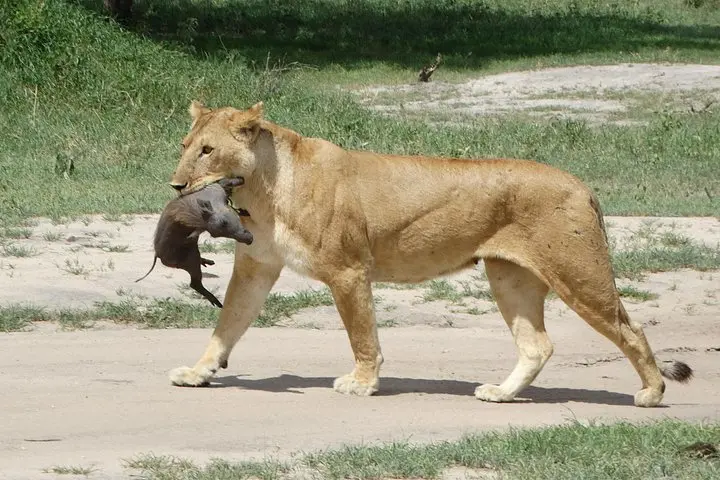
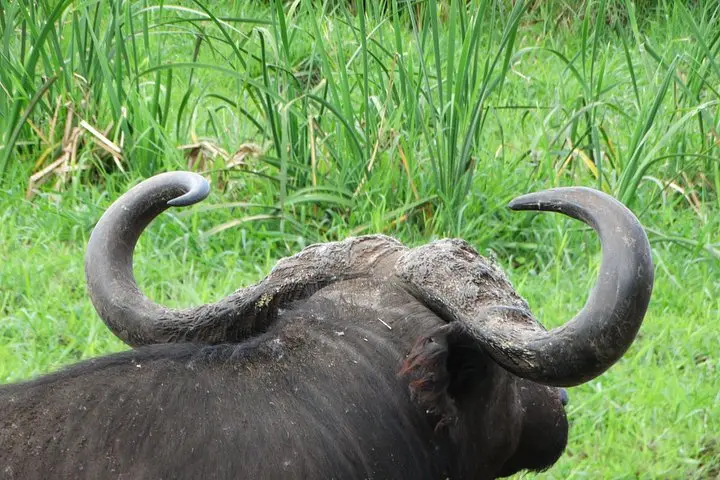
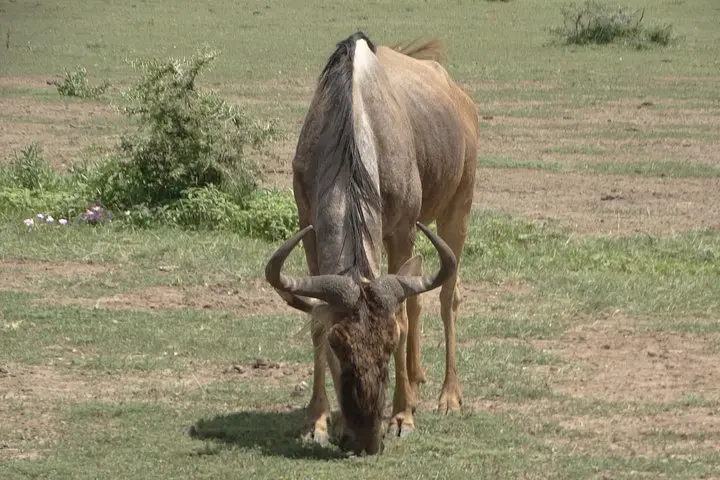
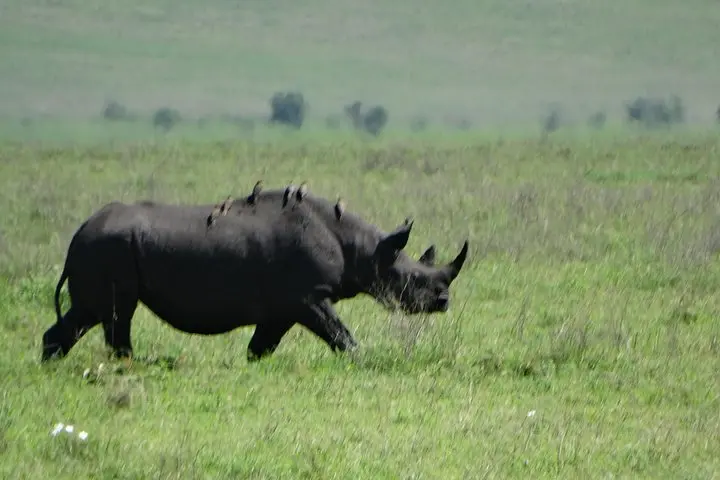
Dawn slices the Rift Valley light across a dusty road as a 4x4 eases out of Arusha and into the open—acacia crowns and baobabs cut clear silhouettes against a pale sky. On this three-day loop you ride the landscape: Tarangire’s elephant herds gather at the river, Ngorongoro’s sunlit crater floor hosts dense plains life, and Lake Manyara’s shoreline bristles with flamingos and papyrus reedbeds.
Dawn slices the Rift Valley light across a dusty road as a 4x4 eases out of Arusha and into the open—acacia crowns and baobabs cut clear silhouettes against a pale sky. On this three-day loop you ride the landscape: Tarangire’s elephant herds gather at the river, Ngorongoro’s sunlit crater floor hosts dense plains life, and Lake Manyara’s shoreline bristles with flamingos and papyrus reedbeds.
These sites sit on deep geological history. Ngorongoro is a collapsed volcanic caldera — roughly 610 meters deep and about 260 km² in area — whose rim perches around 2,200–2,300 m above sea level, creating a self-contained ecosystem. Tarangire’s riverine woodlands and giant baobabs reflect seasonal water patterns that concentrate game. Lake Manyara occupies a shallow basin in the Rift, where alkaline waters attract hundreds of bird species.
Culturally, trips move through Maasai grazing land and small towns such as Karatu and Mto wa Mbu, where market stalls and local guides offer context and coffee.
Practically, expect full-day game drives (start early), dusty tracks, and open-roof observation from a 4x4. Altitude in Ngorongoro can make mornings chilly—pack layers—and game viewing rewards patience: long, quiet stints at water sources or crater picnic sites often yield the best sightings. Carry binoculars, sun protection, a refillable water bottle, and respect park rules about vehicle distances and litter. With basic fitness and patience, this classic northern Tanzania circuit delivers concentrated wildlife viewing and varied terrain in three compact days.