THE ADVENTURE COLLECTIVE® · Independent discovery and booking for outdoor travel

Three days of concentrated wildlife viewing across Tarangire’s elephant-studded plains and the geological wonder of Ngorongoro Crater. Expect close, vehicle-based encounters, early starts, and practical logistics centered in Karatu.
Three days of concentrated wildlife viewing across Tarangire’s elephant-studded plains and the geological wonder of Ngorongoro Crater. Expect close, vehicle-based encounters, early starts, and practical logistics centered in Karatu.
Dawn breaks over a flat, golden plain; acacia silhouettes sharpen against a pink sky and a rumble of elephant steps pulls your gaze toward the river. You slide into a pop-up safari vehicle and the land around Tarangire obliges—elephant herds wade, hartebeest skirt the shoreline, and baobabs throw long shadows across cracked earth.
Verified experiences and guided adventures in the surrounding area.
Operated by KLM Safaris · Karatu, Arusha Region
Dawn breaks over a flat, golden plain; acacia silhouettes sharpen against a pink sky and a rumble of elephant steps pulls your gaze toward the river. You slide into a pop-up safari vehicle and the land around Tarangire obliges—elephant herds wade, hartebeest skirt the shoreline, and baobabs throw long shadows across cracked earth.
The route stitches two of northern Tanzania’s most striking landscapes: Tarangire’s seasonal river networks and vast elephant concentrations, then the volcanic amphitheater of Ngorongoro—a collapsed caldera whose steep rim traps a dense, year-round ecosystem. Maasai pastoralists shape the human story here, grazing cattle on crater slopes while land-use agreements and conservation fees help fund protected-area management.
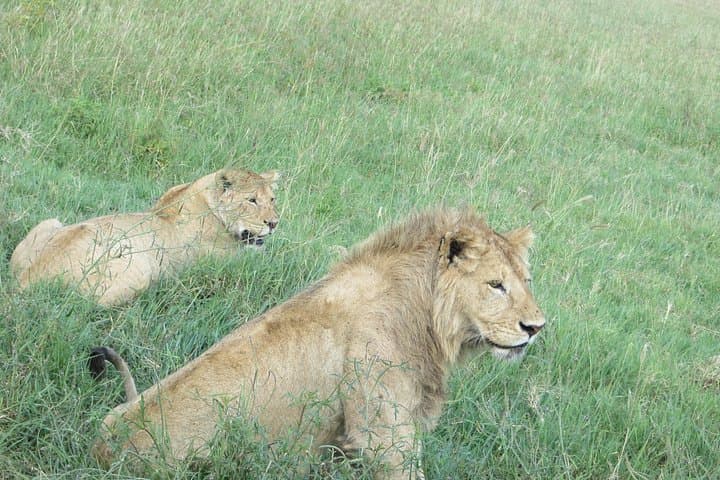
Expect close, vehicle-based wildlife viewing rather than long treks; drives concentrate in morning and late afternoon light when predators move and birds animate the skies. The crater floor feels intimate—lions lounge on termite mounds, and, with luck, a black rhino will punctuate the scene. Roads can be dusty, washboarded, and impassable in heavy rains; guides read the landscape and radio for sightings, where seconds can mean the difference between a photo and a memory.
Practical pointers: carry a refillable water bottle, wear breathable layers and a sun hat, and bring binoculars and a zoom lens for photography. Bookings often include park fees, meals, and basic campsite lodging in Karatu; confirm pickup times (early starts are the norm). Move deliberately—watch the wind and the animals; the land will tell you where to look.
Many tour packages include park fees; confirm at booking and ask for a fee breakdown to avoid surprises.
Malaria risk exists—consult your travel clinic and bring repellant and prophylactic medication if advised.
This tour uses basic campsite lodging in Karatu with meals provided; inquire about upgrades if you prefer lodges.
Tarangire and Ngorongoro host the Big Five species; sightings aren’t guaranteed but the areas offer high probabilities, especially for elephants, lions and buffalo.
KLM Safaris operates guided outdoor trips and adventures with an emphasis on safety, stewardship, and memorable experiences.
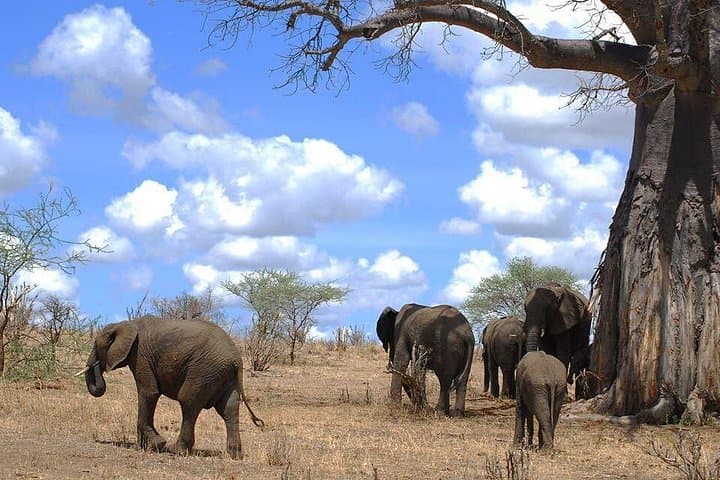
Dawn breaks over a flat, golden plain; acacia silhouettes sharpen against a pink sky and a rumble of elephant steps pulls your gaze toward the river. You slide into a pop-up safari vehicle and the land around Tarangire obliges—elephant herds wade, hartebeest skirt the shoreline, and baobabs throw long shadows across cracked earth.
Dawn breaks over a flat, golden plain; acacia silhouettes sharpen against a pink sky and a rumble of elephant steps pulls your gaze toward the river. You slide into a pop-up safari vehicle and the land around Tarangire obliges—elephant herds wade, hartebeest skirt the shoreline, and baobabs throw long shadows across cracked earth.
The route stitches two of northern Tanzania’s most striking landscapes: Tarangire’s seasonal river networks and vast elephant concentrations, then the volcanic amphitheater of Ngorongoro—a collapsed caldera whose steep rim traps a dense, year-round ecosystem. Maasai pastoralists shape the human story here, grazing cattle on crater slopes while land-use agreements and conservation fees help fund protected-area management.
Expect close, vehicle-based wildlife viewing rather than long treks; drives concentrate in morning and late afternoon light when predators move and birds animate the skies. The crater floor feels intimate—lions lounge on termite mounds, and, with luck, a black rhino will punctuate the scene. Roads can be dusty, washboarded, and impassable in heavy rains; guides read the landscape and radio for sightings, where seconds can mean the difference between a photo and a memory.
Practical pointers: carry a refillable water bottle, wear breathable layers and a sun hat, and bring binoculars and a zoom lens for photography. Bookings often include park fees, meals, and basic campsite lodging in Karatu; confirm pickup times (early starts are the norm). Move deliberately—watch the wind and the animals; the land will tell you where to look.