THE ADVENTURE COLLECTIVE® · Independent discovery and booking for outdoor travel

Head north from Nairobi into a raw, semi-arid world where the Ewaso Nyiro River concentrates wildlife and the Samburu tribe tend ancestral herds. This three-day safari focuses on big cats, rare northern species and riverine game drives with practical tips for planning.
Head north from Nairobi into a raw, semi-arid world where the Ewaso Nyiro River concentrates wildlife and the Samburu tribe tend ancestral herds. This three-day safari focuses on big cats, rare northern species and riverine game drives with practical tips for planning.
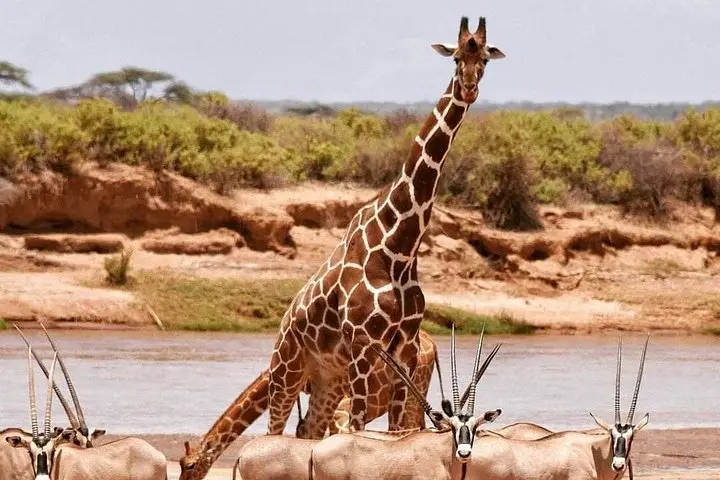
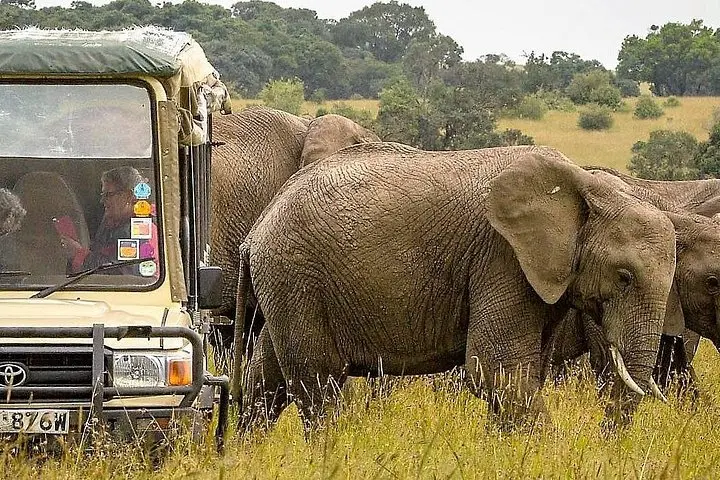
The day opens with a slow, dust-choked drive north from Nairobi; the scrub tightens, the air grows dry and the Ewaso Nyiro River begins to slice a green ribbon through ochre plains. A pop-up roof on a 4x4 becomes a front-row seat as elephants and reticulated giraffes silhouette against a wide sky, and hippos slip like dark stones along the riverbank.
Verified experiences and guided adventures in the surrounding area.
Operated by African Beast tours and safaris · Archer's Post, Samburu County
The day opens with a slow, dust-choked drive north from Nairobi; the scrub tightens, the air grows dry and the Ewaso Nyiro River begins to slice a green ribbon through ochre plains. A pop-up roof on a 4x4 becomes a front-row seat as elephants and reticulated giraffes silhouette against a wide sky, and hippos slip like dark stones along the riverbank.
Samburu sits on Kenya’s arid northern fringe, created in mid-20th century to protect wildlife adapted to semi-desert conditions. The reserve’s geology is defined by volcanic uplands and alluvial riverine terraces; seasonal flows of the Ewaso Nyiro sustain concentrated wildlife and the riparian woodlands that leopard and lion use as ambush corridors.
The Samburu people—pastoralists with distinct beadwork and seasonal cattle movements—share this landscape, and many camps offer cultural visits that explain livestock lore and traditional water management.
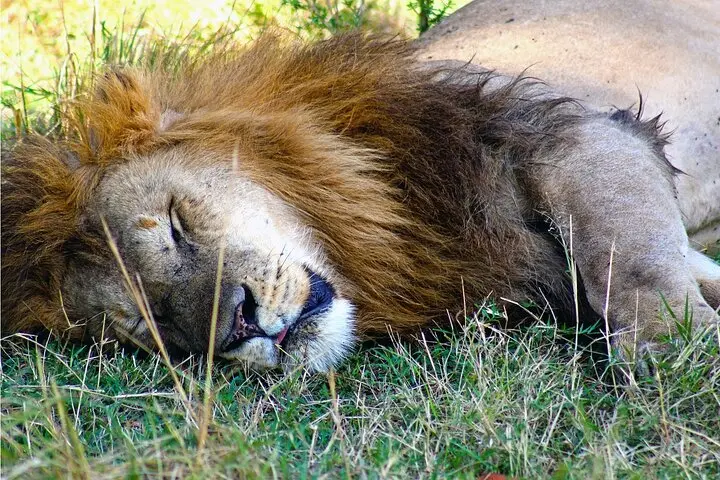
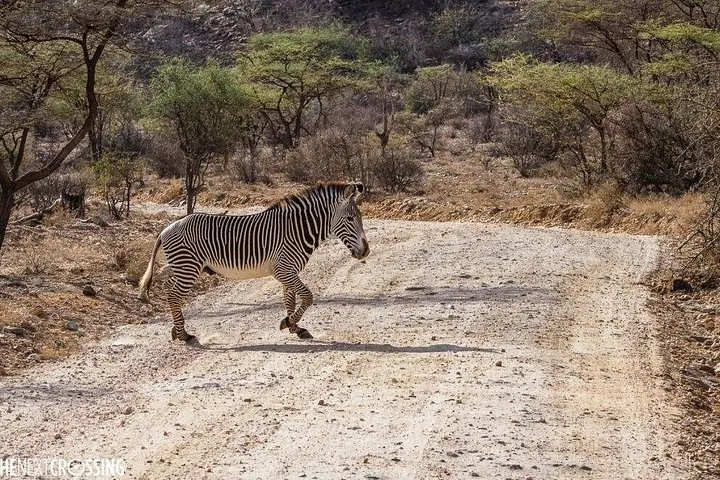
Expect a wildlife-first experience: Samburu is one of the best places in Kenya to spot northern specialists like the gerenuk, Grevy’s zebra and Beisa oryx, alongside a high likelihood of leopard encounters. Game drives are timed for early morning and late afternoon when animals are most active and heat is gentler.
Practical notes: roads are rough; travel is by 4x4 with long stretches between services. Carry sun protection, refillable water, and a good pair of binoculars. Book accommodations and park entry ahead of peak seasons and coordinate pickups from Nairobi early in the morning. Respect local guides and avoid walking off-track—this terrain favors vehicles for safety and for minimal disturbance to wildlife.
The dry months (June–October) concentrate wildlife around rivers and water points, improving sightings; short rains (Oct–Dec) bring migratory birds and lush scenery but can make some tracks slippery.
Driving time is roughly 6–7 hours with a stop at Nanyuki/equator; itinerary pick-up times are usually early morning to maximize daylight game viewing.
Many camps and vehicles accommodate families and wheelchair users, but check specifics with the operator beforehand for transfer and room accessibility.
Typical packages include park entry and two nights’ accommodation on a full-board basis; confirm what’s covered when booking since inclusions can vary.
African Beast tours and safaris operates guided outdoor trips and adventures with an emphasis on safety, stewardship, and memorable experiences.
The day opens with a slow, dust-choked drive north from Nairobi; the scrub tightens, the air grows dry and the Ewaso Nyiro River begins to slice a green ribbon through ochre plains. A pop-up roof on a 4x4 becomes a front-row seat as elephants and reticulated giraffes silhouette against a wide sky, and hippos slip like dark stones along the riverbank.
The day opens with a slow, dust-choked drive north from Nairobi; the scrub tightens, the air grows dry and the Ewaso Nyiro River begins to slice a green ribbon through ochre plains. A pop-up roof on a 4x4 becomes a front-row seat as elephants and reticulated giraffes silhouette against a wide sky, and hippos slip like dark stones along the riverbank.
Samburu sits on Kenya’s arid northern fringe, created in mid-20th century to protect wildlife adapted to semi-desert conditions. The reserve’s geology is defined by volcanic uplands and alluvial riverine terraces; seasonal flows of the Ewaso Nyiro sustain concentrated wildlife and the riparian woodlands that leopard and lion use as ambush corridors.
The Samburu people—pastoralists with distinct beadwork and seasonal cattle movements—share this landscape, and many camps offer cultural visits that explain livestock lore and traditional water management.
Expect a wildlife-first experience: Samburu is one of the best places in Kenya to spot northern specialists like the gerenuk, Grevy’s zebra and Beisa oryx, alongside a high likelihood of leopard encounters. Game drives are timed for early morning and late afternoon when animals are most active and heat is gentler.
Practical notes: roads are rough; travel is by 4x4 with long stretches between services. Carry sun protection, refillable water, and a good pair of binoculars. Book accommodations and park entry ahead of peak seasons and coordinate pickups from Nairobi early in the morning. Respect local guides and avoid walking off-track—this terrain favors vehicles for safety and for minimal disturbance to wildlife.