THE ADVENTURE COLLECTIVE® · Independent discovery and booking for outdoor travel

A compact three-day loop from Marrakech to Erg Chebbi that pairs High Atlas passes, Ait Ben Haddou and Todra Gorge with a sunset camel trek and overnight desert camp. Expect long drives, dramatic geology, and star-filled nights.
A compact three-day loop from Marrakech to Erg Chebbi that pairs High Atlas passes, Ait Ben Haddou and Todra Gorge with a sunset camel trek and overnight desert camp. Expect long drives, dramatic geology, and star-filled nights.
You step out of the vehicle and the dunes are already moving—wind-sculpted ridges that shift with a faint, constant hiss. The sun lowers behind a long, ochre horizon and the caravan of camels creaks forward; the desert seems to lean toward the sound as if listening.
Verified experiences and guided adventures in the surrounding area.
Operated by Trek Desert Morocco · Merzouga, Errachidia Province
You step out of the vehicle and the dunes are already moving—wind-sculpted ridges that shift with a faint, constant hiss. The sun lowers behind a long, ochre horizon and the caravan of camels creaks forward; the desert seems to lean toward the sound as if listening.
This three-day circuit threads the High Atlas, the ksar of Ait Ben Haddou and the narrow slot of Todra Gorge before reaching Erg Chebbi near Merzouga. Geologically, the route traces ancient riverbeds and uplifted sandstone: the High Atlas formed by the African and Eurasian plates, while the Saharan fringes are wind-worked sands and fossil-rich limestone. Culturally, you pass Berber villages, kasbahs once vital to Trans-Saharan trade and film crews that favor Ouarzazate’s stark light.
Expect dramatic scale: Tizi n’Tichka pass climbs to about 2,260 m, Todra’s cliffs rise to 300 m, and Erg Chebbi’s dunes reach over 150 m in places. Nights are cold and crystalline; camps offer tents with beds and communal dining, plus optional star-sleeping.
Practical notes: travel days are long—prepare for multiple 3–6 hour driving blocks—and most walks are easy but in loose sand. Hydrate, layer for temperature swings, and bring a headlamp for early starts. Respect local customs in villages and minimize plastic in the desert; dunes and oasis ecosystems are fragile. Sunrise and sunset on the dunes are the real payoff—arrive early at viewpoints and let the light rearrange the landscape.
Camel rides are gentle and typically last about an hour; dune walking involves soft sand which increases effort, but routes are short and suitable for most fitness levels.
Camps range from basic tents to semi-permanent tents with beds and shared bathrooms; expect communal meals and optional star-sleeping depending on the provider.
Signal is intermittent in remote stretches—plan for limited connectivity, especially overnight in the dunes; some camps may offer basic Wi‑Fi.
Many providers list the itinerary as family-friendly, but long road days and camel mounts may be challenging for very young children or those with mobility or heart conditions.
Trek Desert Morocco operates guided outdoor trips and adventures with an emphasis on safety, stewardship, and memorable experiences.
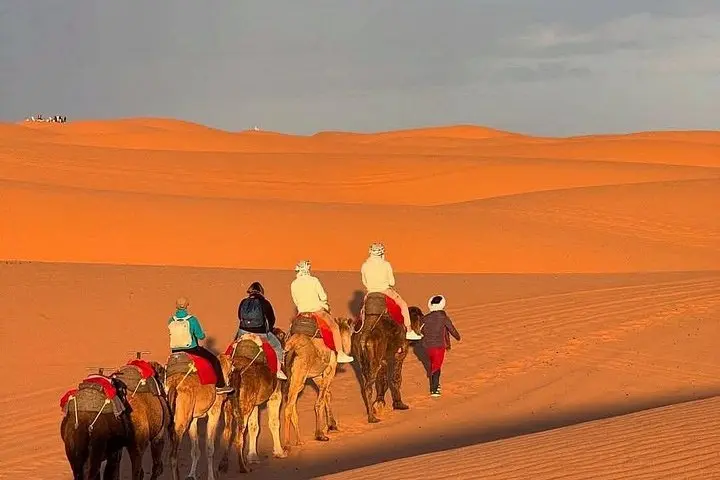
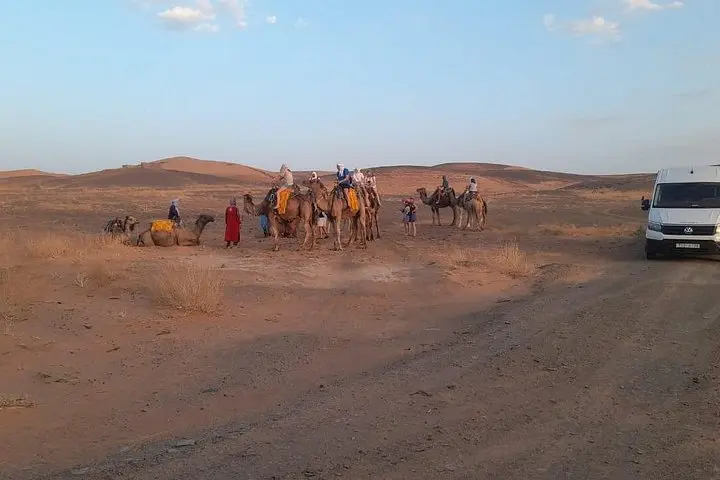
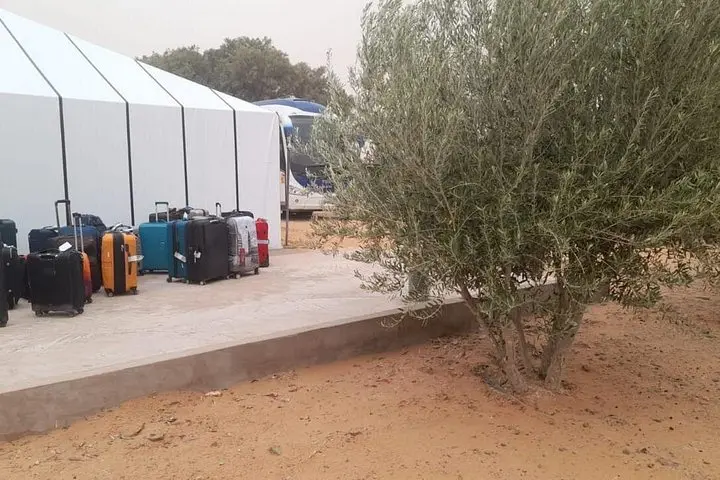
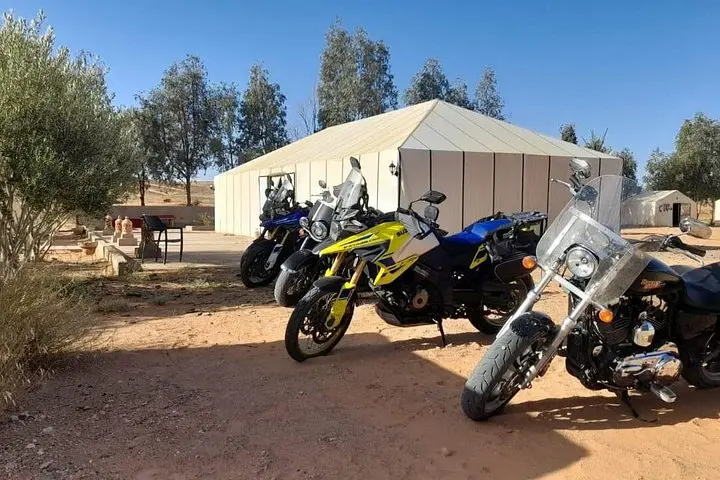
You step out of the vehicle and the dunes are already moving—wind-sculpted ridges that shift with a faint, constant hiss. The sun lowers behind a long, ochre horizon and the caravan of camels creaks forward; the desert seems to lean toward the sound as if listening.
You step out of the vehicle and the dunes are already moving—wind-sculpted ridges that shift with a faint, constant hiss. The sun lowers behind a long, ochre horizon and the caravan of camels creaks forward; the desert seems to lean toward the sound as if listening.
This three-day circuit threads the High Atlas, the ksar of Ait Ben Haddou and the narrow slot of Todra Gorge before reaching Erg Chebbi near Merzouga. Geologically, the route traces ancient riverbeds and uplifted sandstone: the High Atlas formed by the African and Eurasian plates, while the Saharan fringes are wind-worked sands and fossil-rich limestone. Culturally, you pass Berber villages, kasbahs once vital to Trans-Saharan trade and film crews that favor Ouarzazate’s stark light.
Expect dramatic scale: Tizi n’Tichka pass climbs to about 2,260 m, Todra’s cliffs rise to 300 m, and Erg Chebbi’s dunes reach over 150 m in places. Nights are cold and crystalline; camps offer tents with beds and communal dining, plus optional star-sleeping.
Practical notes: travel days are long—prepare for multiple 3–6 hour driving blocks—and most walks are easy but in loose sand. Hydrate, layer for temperature swings, and bring a headlamp for early starts. Respect local customs in villages and minimize plastic in the desert; dunes and oasis ecosystems are fragile. Sunrise and sunset on the dunes are the real payoff—arrive early at viewpoints and let the light rearrange the landscape.