THE ADVENTURE COLLECTIVE® · Independent discovery and booking for outdoor travel

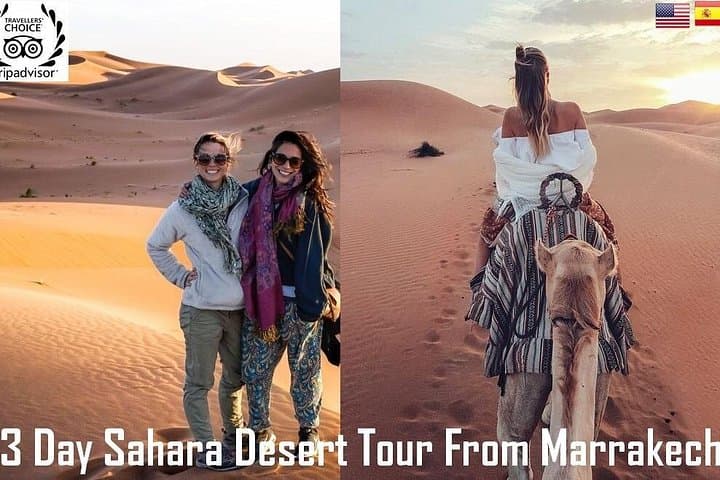
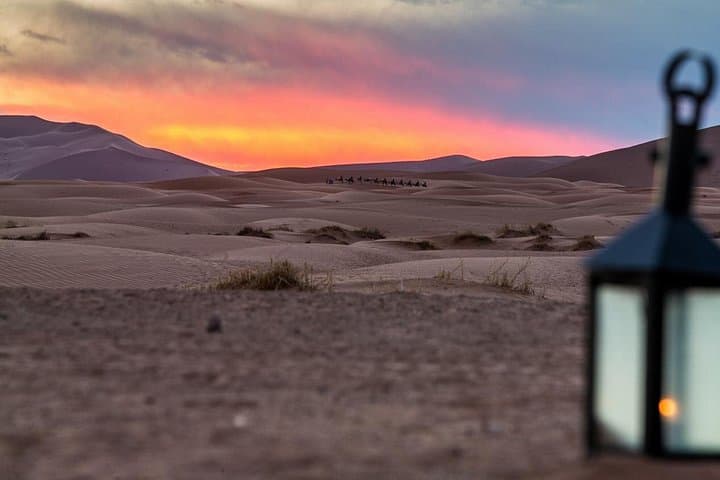
Leave Marrakech before dawn to cross the Atlas, explore Aït Benhaddou and the Dadès and Todgha Gorges, then surrender to Erg Chebbi’s sand seas with a night in a Berber tent. Expect long drives, dramatic passes and a sunrise that makes the desert feel infinite.
Leave Marrakech before dawn to cross the Atlas, explore Aït Benhaddou and the Dadès and Todgha Gorges, then surrender to Erg Chebbi’s sand seas with a night in a Berber tent. Expect long drives, dramatic passes and a sunrise that makes the desert feel infinite.
A warm wind pushes across the dashboard as the Land Cruiser climbs toward Tizi n'Tichka; Marrakech falls away into almond and juniper slopes while the Atlas Mountains press the road into hairpin turns. By late afternoon the road opens to ochre kasbahs and the first carved cliffs of the Dadès Gorges, a raw, layered canyon where shadows move faster than people.
Verified experiences and guided adventures in the surrounding area.
Operated by Merzouga Dunes · Marrakech, Marrakech-Safi
A warm wind pushes across the dashboard as the Land Cruiser climbs toward Tizi n'Tichka; Marrakech falls away into almond and juniper slopes while the Atlas Mountains press the road into hairpin turns. By late afternoon the road opens to ochre kasbahs and the first carved cliffs of the Dadès Gorges, a raw, layered canyon where shadows move faster than people.
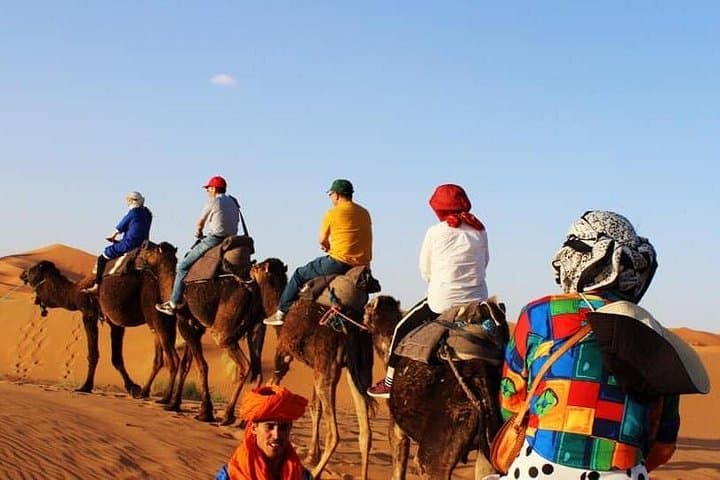
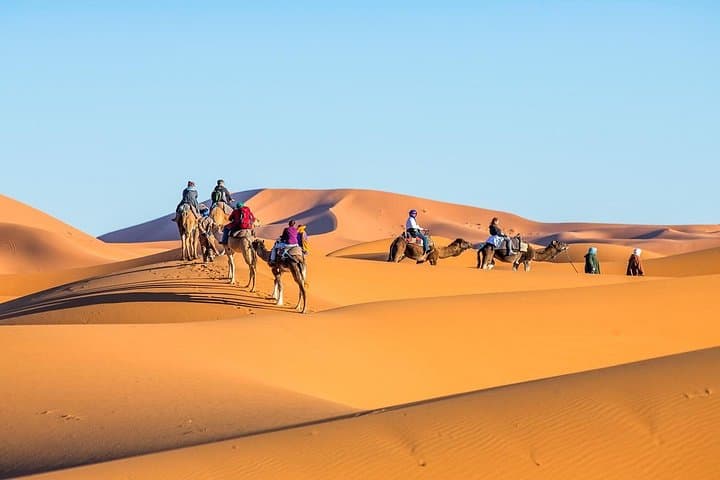
This three-day loop threads through Morocco's geological and cultural seams: the High Atlas fold at 2,260 m, the limestone clefts of Todgha, the fossil-rich plateaus around Erfoud and finally the sweeping Erg Chebbi dunes—some dunes rise near 100–150 m—where camels pull you to a Berber tent beneath a vast sky. Along the way, ksars like Aït Benhaddou reveal centuries of mud-brick architecture and the road of a thousand kasbahs traces trade routes and oasis agriculture tied to the Tafilalet palm groves.
Expect long driving days (several stretches of 4–7 hours), short off-road transfers, and one night under canvas after a sunset and sunrise in the dunes. Temperatures swing sharply—hot by day, cold at night—so layer strategically. Bring sunscreen, a reusable water bottle with at least 2–3 liters capacity, sturdy shoes for rocky gorges, and earplugs for wind in the tent.
Logistics are straightforward: private transfer included, most meals provided, passport details required at booking. For active travelers who tolerate bumpy roads and welcome immersive local encounters, this is a compact and efficient Sahara introduction—equal parts geology, history and plain desert silence.
Pickup typically begins around 8:00 AM from central Marrakech hotels; confirm exact pickup time when you receive your booking details.
The tour is moderate—most activity is short walks in gorges and a camel trek; you should be comfortable with several hours of travel and basic walking.
Accommodation includes two nights—hotel stays and one night in a traditional Berber tent at a desert camp with basic bedding and meals provided.
Roads cross high passes up to ~2,260 m; weather is generally stable but can be cold at night and occasionally windy—check seasonal forecasts and inform the operator of health conditions.
Merzouga Dunes operates guided outdoor trips and adventures with an emphasis on safety, stewardship, and memorable experiences.
A warm wind pushes across the dashboard as the Land Cruiser climbs toward Tizi n'Tichka; Marrakech falls away into almond and juniper slopes while the Atlas Mountains press the road into hairpin turns. By late afternoon the road opens to ochre kasbahs and the first carved cliffs of the Dadès Gorges, a raw, layered canyon where shadows move faster than people.
A warm wind pushes across the dashboard as the Land Cruiser climbs toward Tizi n'Tichka; Marrakech falls away into almond and juniper slopes while the Atlas Mountains press the road into hairpin turns. By late afternoon the road opens to ochre kasbahs and the first carved cliffs of the Dadès Gorges, a raw, layered canyon where shadows move faster than people.
This three-day loop threads through Morocco's geological and cultural seams: the High Atlas fold at 2,260 m, the limestone clefts of Todgha, the fossil-rich plateaus around Erfoud and finally the sweeping Erg Chebbi dunes—some dunes rise near 100–150 m—where camels pull you to a Berber tent beneath a vast sky. Along the way, ksars like Aït Benhaddou reveal centuries of mud-brick architecture and the road of a thousand kasbahs traces trade routes and oasis agriculture tied to the Tafilalet palm groves.
Expect long driving days (several stretches of 4–7 hours), short off-road transfers, and one night under canvas after a sunset and sunrise in the dunes. Temperatures swing sharply—hot by day, cold at night—so layer strategically. Bring sunscreen, a reusable water bottle with at least 2–3 liters capacity, sturdy shoes for rocky gorges, and earplugs for wind in the tent.
Logistics are straightforward: private transfer included, most meals provided, passport details required at booking. For active travelers who tolerate bumpy roads and welcome immersive local encounters, this is a compact and efficient Sahara introduction—equal parts geology, history and plain desert silence.