THE ADVENTURE COLLECTIVE® · Independent discovery and booking for outdoor travel

Cross the High Atlas and sleep under the stars on a three-day loop from Marrakech to Merzouga. This tour combines camel treks, dune sunsets, and nights in private desert tents—ideal for travelers who want immersive Saharan scenery with practical comforts.
Cross the High Atlas and sleep under the stars on a three-day loop from Marrakech to Merzouga. This tour combines camel treks, dune sunsets, and nights in private desert tents—ideal for travelers who want immersive Saharan scenery with practical comforts.
A late-afternoon sun slices across orange ridges as a slow caravan of camels threads the crest of Erg Chebbi. The air tastes faintly of dust and sage; each footfall on sand hushes the world to a measured desert rhythm. On this three-day circuit from Marrakech, travelers move from the red ochre of the High Atlas into the wide, wind-sculpted seas of the Saharan dunes around Merzouga.
Verified experiences and guided adventures in the surrounding area.
Operated by Trips desert Marrakech · Merzouga, Drâa-Tafilalet
A late-afternoon sun slices across orange ridges as a slow caravan of camels threads the crest of Erg Chebbi. The air tastes faintly of dust and sage; each footfall on sand hushes the world to a measured desert rhythm. On this three-day circuit from Marrakech, travelers move from the red ochre of the High Atlas into the wide, wind-sculpted seas of the Saharan dunes around Merzouga.
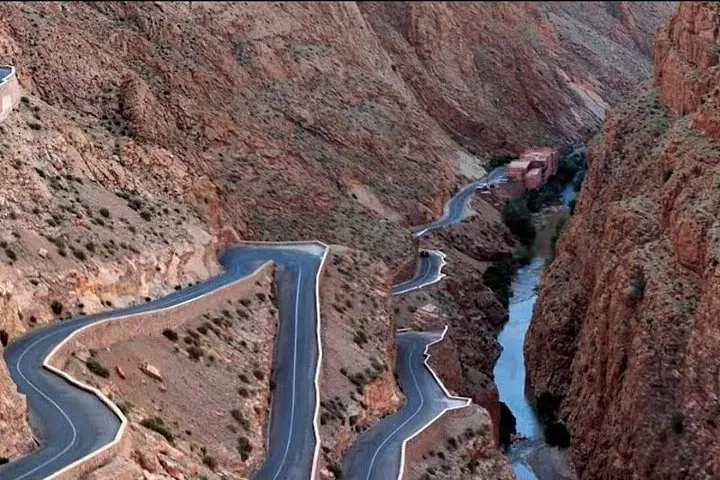
Geology and history are written here in layers: uplifted Atlas ranges give way to alluvial plains and then to dunes built by millennia of northerly winds. The route threads through UNESCO-listed Ait Ben Haddou, a ksar that marks old caravan roads, and past the carved canyons of Dades and Todra—places where water still dares to cut stone. Berber life remains visible in mud-brick kasbahs, small markets, and the rhythms of nomadic hospitality that animate desert camps at night.
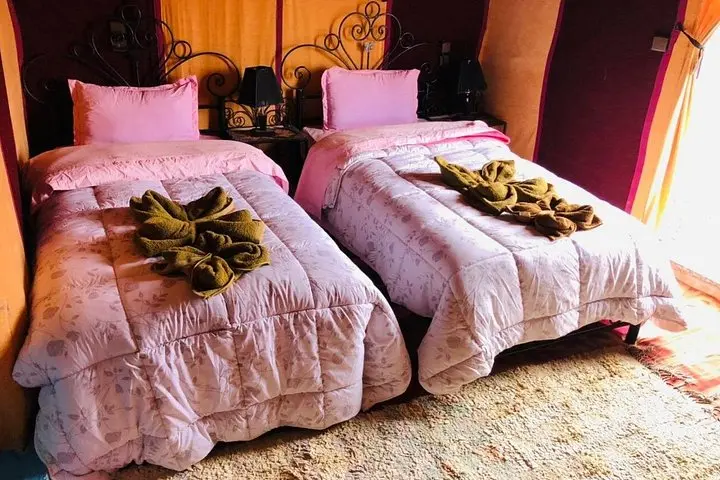
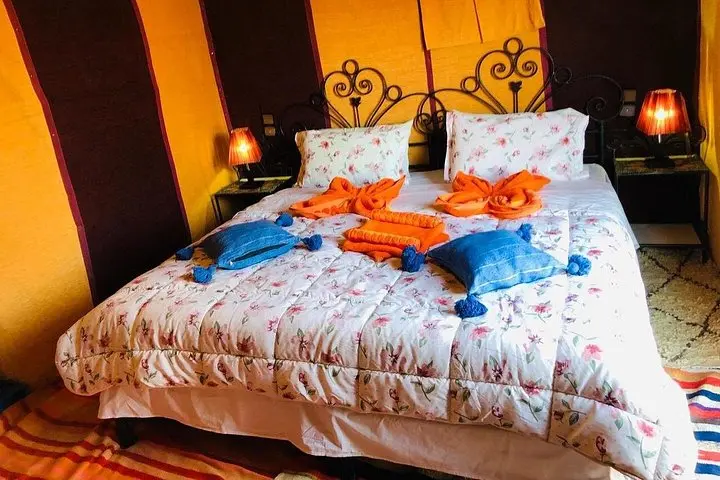
Practical guide: expect long drives (several hours across mountain passes), a 45–60 minute camel trek each way into the dunes, and an overnight in a private tent with dinner and music. Rise early for sunrise photography and stick to shaded breaks during heat peaks. Footing on dunes is soft; use closed-toe shoes for approach hikes and lighter sandals for walking on crests.
Pack sun protection, layered clothing for cold nights, and a reliable water bottle. Phone signal can be intermittent—bring power banks. Respect local customs, tip guides, and travel with a small flashlight for late-night paths. The desert rewards patience: silence sharpens, stars crowd the sky, and the landscape keeps pace only with those who move slowly enough to notice.
Most camel treks into Erg Chebbi are about 45–60 minutes each way; guides choose gradual routes to reach the private camp before sunset.
Yes — two dinners (including a traditional desert dinner at the camp) and two breakfasts are typically included, with at least one lunch stop during the drives.
The itinerary notes it’s broadly family-friendly, but camel riding and mounting can be jarring—travelers with serious back issues or pregnancy should avoid camel rides and consult the operator before booking.
Spring (March–May) and fall (September–November) offer the most comfortable daytime temperatures and clear nights for stargazing; summer is very hot, winter can be chilly after sunset.
Trips desert Marrakech operates guided outdoor trips and adventures with an emphasis on safety, stewardship, and memorable experiences.
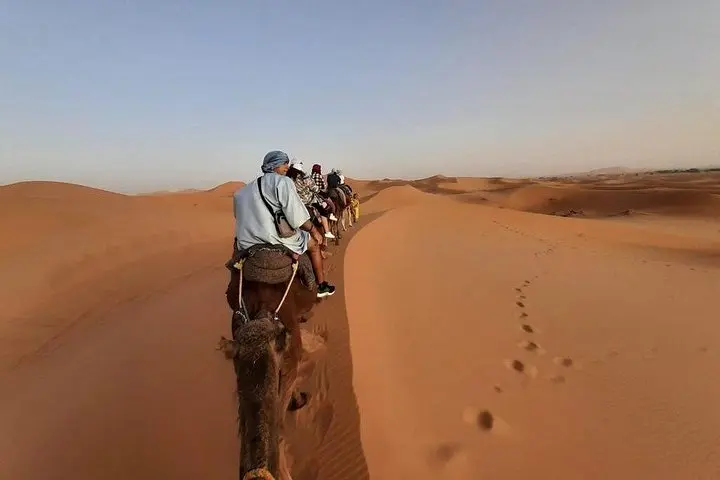
A late-afternoon sun slices across orange ridges as a slow caravan of camels threads the crest of Erg Chebbi. The air tastes faintly of dust and sage; each footfall on sand hushes the world to a measured desert rhythm. On this three-day circuit from Marrakech, travelers move from the red ochre of the High Atlas into the wide, wind-sculpted seas of the Saharan dunes around Merzouga.
A late-afternoon sun slices across orange ridges as a slow caravan of camels threads the crest of Erg Chebbi. The air tastes faintly of dust and sage; each footfall on sand hushes the world to a measured desert rhythm. On this three-day circuit from Marrakech, travelers move from the red ochre of the High Atlas into the wide, wind-sculpted seas of the Saharan dunes around Merzouga.
Geology and history are written here in layers: uplifted Atlas ranges give way to alluvial plains and then to dunes built by millennia of northerly winds. The route threads through UNESCO-listed Ait Ben Haddou, a ksar that marks old caravan roads, and past the carved canyons of Dades and Todra—places where water still dares to cut stone. Berber life remains visible in mud-brick kasbahs, small markets, and the rhythms of nomadic hospitality that animate desert camps at night.
Practical guide: expect long drives (several hours across mountain passes), a 45–60 minute camel trek each way into the dunes, and an overnight in a private tent with dinner and music. Rise early for sunrise photography and stick to shaded breaks during heat peaks. Footing on dunes is soft; use closed-toe shoes for approach hikes and lighter sandals for walking on crests.
Pack sun protection, layered clothing for cold nights, and a reliable water bottle. Phone signal can be intermittent—bring power banks. Respect local customs, tip guides, and travel with a small flashlight for late-night paths. The desert rewards patience: silence sharpens, stars crowd the sky, and the landscape keeps pace only with those who move slowly enough to notice.