THE ADVENTURE COLLECTIVE® · Independent discovery and booking for outdoor travel

Traverse the High Atlas, visit UNESCO-listed Ait Ben Haddou and spend a night under the stars after a sunset camel trek into Erg Chebbi. This three-day small-group tour pairs cultural stops with hands-on desert experiences and flexible lodging options.
Traverse the High Atlas, visit UNESCO-listed Ait Ben Haddou and spend a night under the stars after a sunset camel trek into Erg Chebbi. This three-day small-group tour pairs cultural stops with hands-on desert experiences and flexible lodging options.
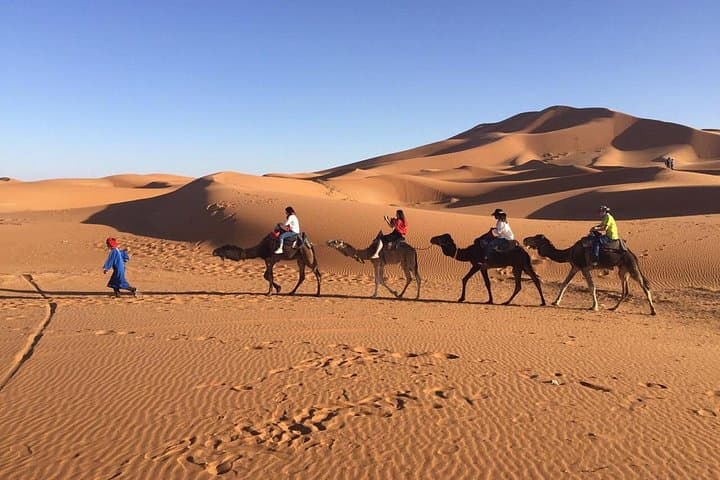
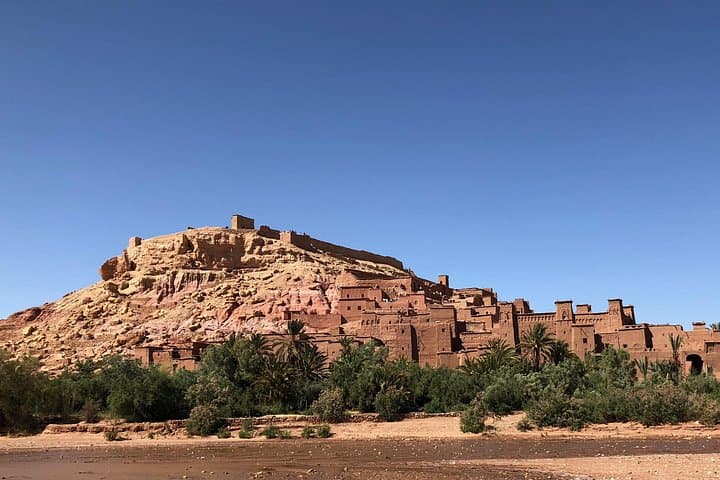
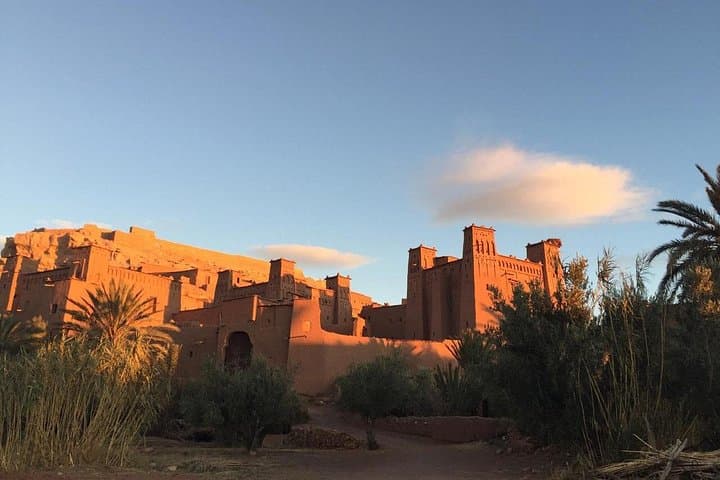
A dry wind pushes across the sand as the minibus slips away from Marrakech and up into the High Atlas, where the road climbs to 2,260 meters and the air smells of pine and dust. By late afternoon the landscape changes: terraced orchards give way to ochre kasbahs, then palms and finally the long, ribbed slopes of Erg Chebbi, dunes that move like slow waves. On day one the group crosses mountain passes, pauses at Ait Ben Haddou’s fortified ksar and passes the valley of roses; on day two the itinerary narrows to oases, Todra Gorge and the fossil-rich flats, ending at a camel preserve before a sunset trek to camp.
Verified experiences and guided adventures in the surrounding area.
Operated by Truly Morocco · Merzouga, Drâa-Tafilalet
A dry wind pushes across the sand as the minibus slips away from Marrakech and up into the High Atlas, where the road climbs to 2,260 meters and the air smells of pine and dust. By late afternoon the landscape changes: terraced orchards give way to ochre kasbahs, then palms and finally the long, ribbed slopes of Erg Chebbi, dunes that move like slow waves. On day one the group crosses mountain passes, pauses at Ait Ben Haddou’s fortified ksar and passes the valley of roses; on day two the itinerary narrows to oases, Todra Gorge and the fossil-rich flats, ending at a camel preserve before a sunset trek to camp.
Geology here reads like a long archive: the Sahara was once a sea, leaving behind fossil beds and sandy sheets carved by wind into towering dunes. Culturally the route follows old caravan roads and Berber villages whose kasbahs and irrigation systems reflect centuries of desert adaptation. Evenings center on tea and storytelling—local guides explain the practical logic behind nomadic routes as clearly as they point out constellations.
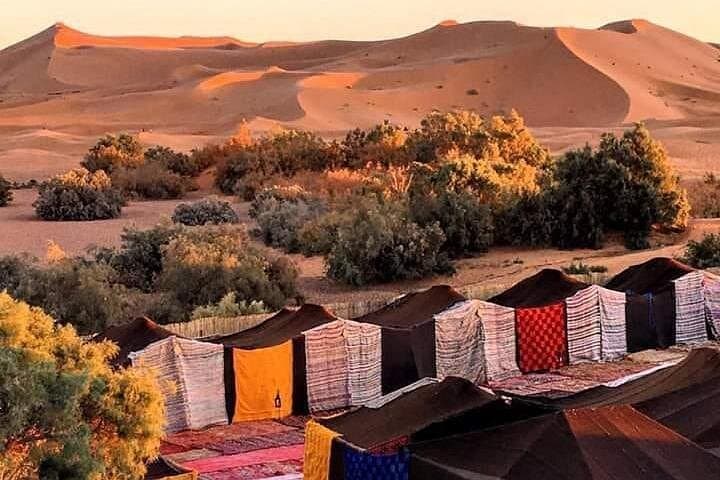
Practical notes: expect long hours on paved and unpaved roads, a moderate level of comfort in shared standard camps and optional luxury upgrades. Camel treks are steady but brief—bring layers for cold nights, sun protection for daytime, and water for long transfers. Pack light for the camel ride and plan for early sunsets and bright, dry air. This tour is suited to travelers who want immersive landscapes, straightforward logistics, and an introduction to Saharan life without technical demands.
Typical camel treks to the desert camp are 45–90 minutes, timed for sunset; options to ride shorter or longer are often available.
Most standard packages include two dinners and two breakfasts plus one night in a desert camp and hotel stays as listed; luxury upgrades may add private facilities.
Children can join but should sit on camels with adult supervision; travelers with serious mobility or spinal issues should avoid camel rides and discuss alternatives with the operator.
Full refund if canceled at least 24 hours before departure; tours may be canceled for bad weather or insufficient travelers per operator policy.
Truly Morocco operates guided outdoor trips and adventures with an emphasis on safety, stewardship, and memorable experiences.
A dry wind pushes across the sand as the minibus slips away from Marrakech and up into the High Atlas, where the road climbs to 2,260 meters and the air smells of pine and dust. By late afternoon the landscape changes: terraced orchards give way to ochre kasbahs, then palms and finally the long, ribbed slopes of Erg Chebbi, dunes that move like slow waves. On day one the group crosses mountain passes, pauses at Ait Ben Haddou’s fortified ksar and passes the valley of roses; on day two the itinerary narrows to oases, Todra Gorge and the fossil-rich flats, ending at a camel preserve before a sunset trek to camp.
A dry wind pushes across the sand as the minibus slips away from Marrakech and up into the High Atlas, where the road climbs to 2,260 meters and the air smells of pine and dust. By late afternoon the landscape changes: terraced orchards give way to ochre kasbahs, then palms and finally the long, ribbed slopes of Erg Chebbi, dunes that move like slow waves. On day one the group crosses mountain passes, pauses at Ait Ben Haddou’s fortified ksar and passes the valley of roses; on day two the itinerary narrows to oases, Todra Gorge and the fossil-rich flats, ending at a camel preserve before a sunset trek to camp.
Geology here reads like a long archive: the Sahara was once a sea, leaving behind fossil beds and sandy sheets carved by wind into towering dunes. Culturally the route follows old caravan roads and Berber villages whose kasbahs and irrigation systems reflect centuries of desert adaptation. Evenings center on tea and storytelling—local guides explain the practical logic behind nomadic routes as clearly as they point out constellations.
Practical notes: expect long hours on paved and unpaved roads, a moderate level of comfort in shared standard camps and optional luxury upgrades. Camel treks are steady but brief—bring layers for cold nights, sun protection for daytime, and water for long transfers. Pack light for the camel ride and plan for early sunsets and bright, dry air. This tour is suited to travelers who want immersive landscapes, straightforward logistics, and an introduction to Saharan life without technical demands.