THE ADVENTURE COLLECTIVE® · Independent discovery and booking for outdoor travel

Cross the High Atlas, stand inside the Todra Gorges and spend a starlit night in a Merzouga desert camp. This three-day loop from Marrakech combines kasbahs, canyon walks, camel treks and the vast Erg Chebbi dunes.
Cross the High Atlas, stand inside the Todra Gorges and spend a starlit night in a Merzouga desert camp. This three-day loop from Marrakech combines kasbahs, canyon walks, camel treks and the vast Erg Chebbi dunes.
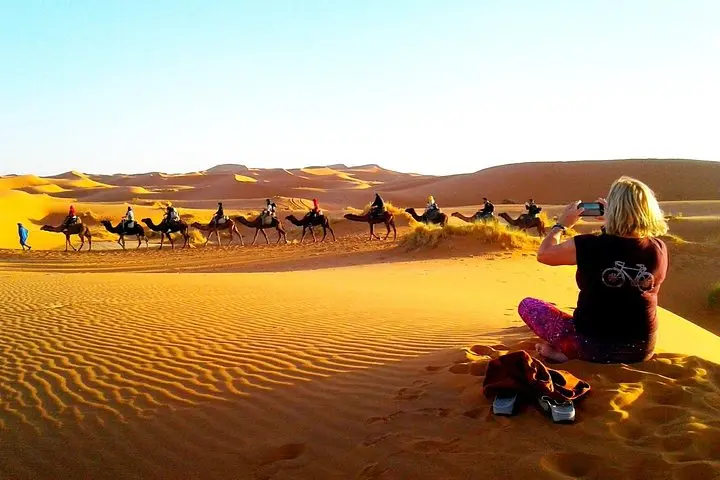
You step out of the minibus as the light thins and the dunes of Erg Chebbi throw long, soft shadows. Sand cools underfoot while distant drums from the Berber camp start a steady cadence; a camel train rocks like a slow metronome as the sun folds behind the ridge.
Verified experiences and guided adventures in the surrounding area.
Operated by astara tours · Merzouga, Drâa-Tafilalet
You step out of the minibus as the light thins and the dunes of Erg Chebbi throw long, soft shadows. Sand cools underfoot while distant drums from the Berber camp start a steady cadence; a camel train rocks like a slow metronome as the sun folds behind the ridge.
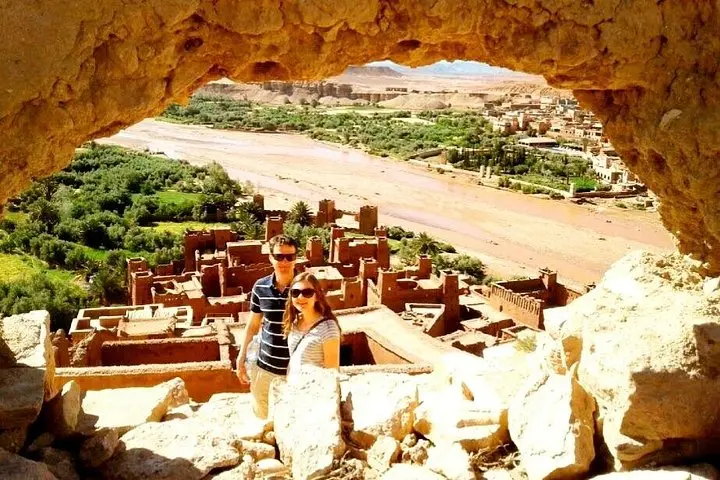
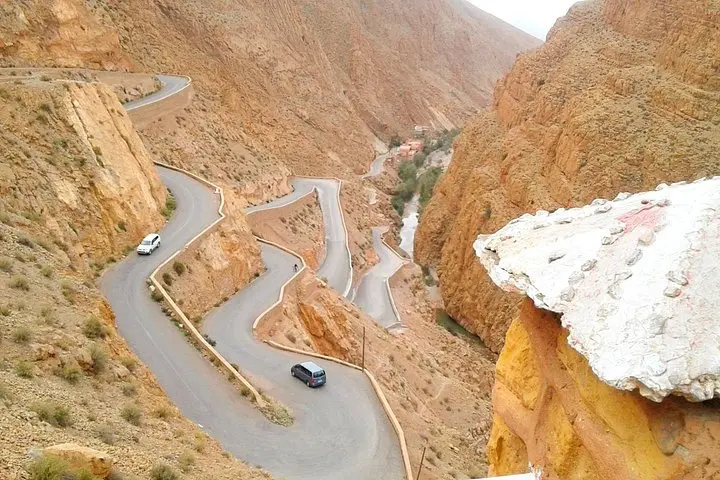
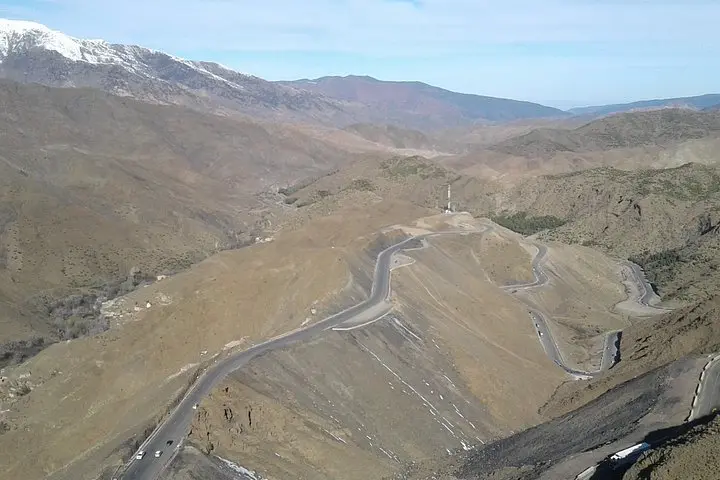
The route from Marrakech to Merzouga threads the High Atlas via the Tizi n’Tichka pass, skirts the fortified clay kasbahs of Aït Ben Haddou and follows the Valley of the Roses into the Dades. Geology here is bold — the Todra Gorges cut vertical walls through limestone and river terraces mark ancient water flows. Culturally the area is shaped by Amazigh (Berber) life: mud-brick kasbah architecture, argan cooperatives near the pass and desert camps where music and mint tea set the evening’s rhythm.
Over three days expect long drives (roughly 325 km to Dades, 270 km to Merzouga, and a return of ~500 km), a camel trek of about an hour each way to the camp, short walks in Todra, and two overnights — a hotel in Dades and a private tented desert camp. Nights are cold; days in summer are intensely hot. Guides handle logistics: transport, meals, and camp setup; bring patience for winding rural roads and flexible timing when weather or snow affects the Tizi n’Tichka pass.
Practical tips: pace your water intake, layer for temperature swings, protect skin and eyes from sun and sand, and carry cash for small purchases and tips. This trip mixes cultural stops and raw desert landscape — expect wide horizons and simple, deliberate rhythms that reset the clock to desert time.
Most departures and returns are in Marrakech; pickup can be arranged from central hotels or an agreed meeting point if your accommodation isn’t car-accessible.
The camel trek to the camp is approximately 1 hour each way; shorter or longer rides can sometimes be arranged with the guide.
Camps provide private Berber-style tents with mattresses and blankets; services vary but dinner, breakfast and basic facilities are included.
Children can join but consider camel suitability; it’s not recommended for travelers with serious cardiovascular problems due to long drives and physical demands.
astara tours operates guided outdoor trips and adventures with an emphasis on safety, stewardship, and memorable experiences.
You step out of the minibus as the light thins and the dunes of Erg Chebbi throw long, soft shadows. Sand cools underfoot while distant drums from the Berber camp start a steady cadence; a camel train rocks like a slow metronome as the sun folds behind the ridge.
You step out of the minibus as the light thins and the dunes of Erg Chebbi throw long, soft shadows. Sand cools underfoot while distant drums from the Berber camp start a steady cadence; a camel train rocks like a slow metronome as the sun folds behind the ridge.
The route from Marrakech to Merzouga threads the High Atlas via the Tizi n’Tichka pass, skirts the fortified clay kasbahs of Aït Ben Haddou and follows the Valley of the Roses into the Dades. Geology here is bold — the Todra Gorges cut vertical walls through limestone and river terraces mark ancient water flows. Culturally the area is shaped by Amazigh (Berber) life: mud-brick kasbah architecture, argan cooperatives near the pass and desert camps where music and mint tea set the evening’s rhythm.
Over three days expect long drives (roughly 325 km to Dades, 270 km to Merzouga, and a return of ~500 km), a camel trek of about an hour each way to the camp, short walks in Todra, and two overnights — a hotel in Dades and a private tented desert camp. Nights are cold; days in summer are intensely hot. Guides handle logistics: transport, meals, and camp setup; bring patience for winding rural roads and flexible timing when weather or snow affects the Tizi n’Tichka pass.
Practical tips: pace your water intake, layer for temperature swings, protect skin and eyes from sun and sand, and carry cash for small purchases and tips. This trip mixes cultural stops and raw desert landscape — expect wide horizons and simple, deliberate rhythms that reset the clock to desert time.